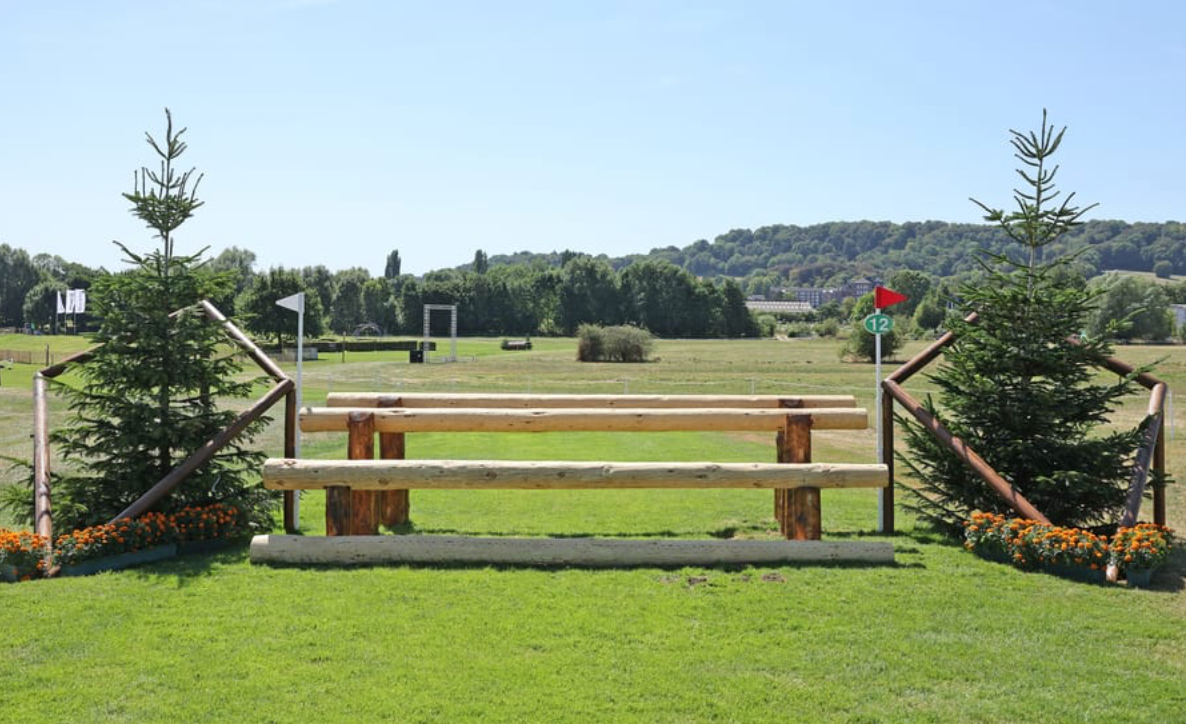
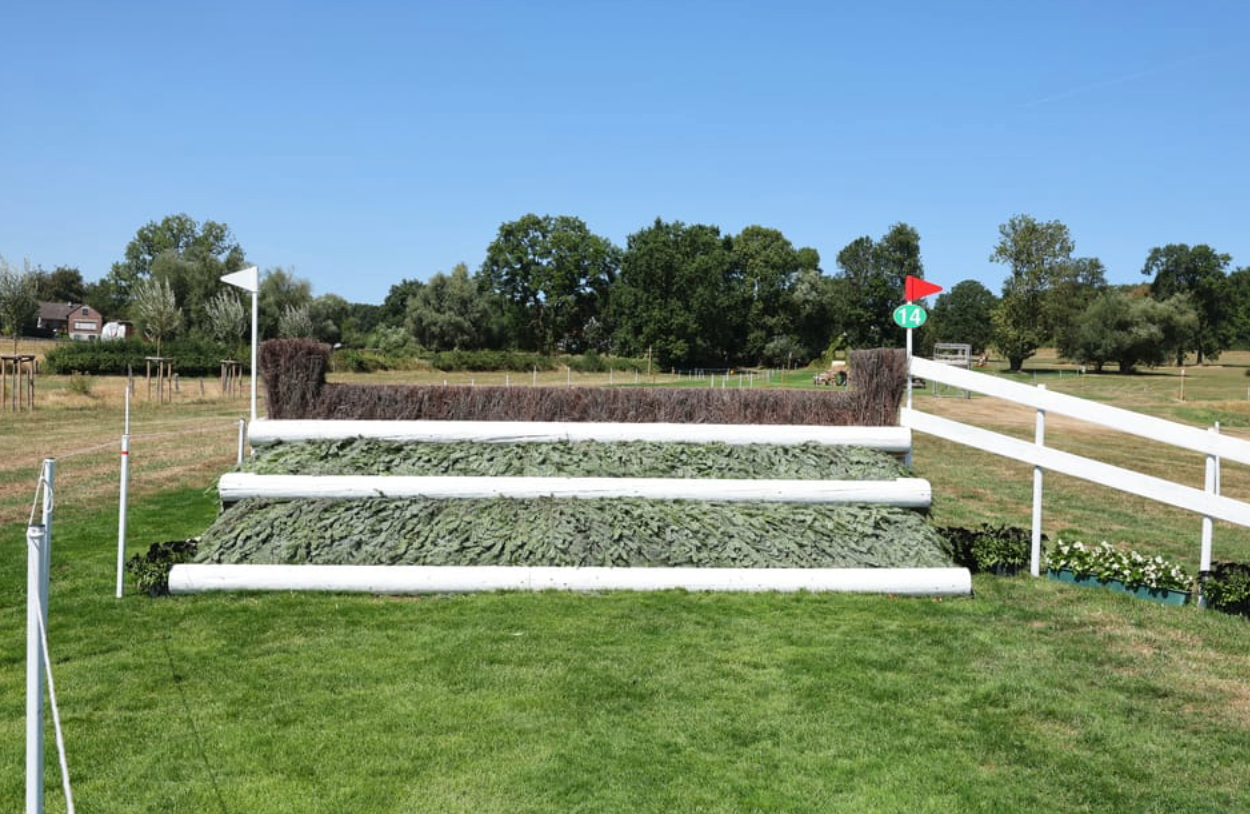
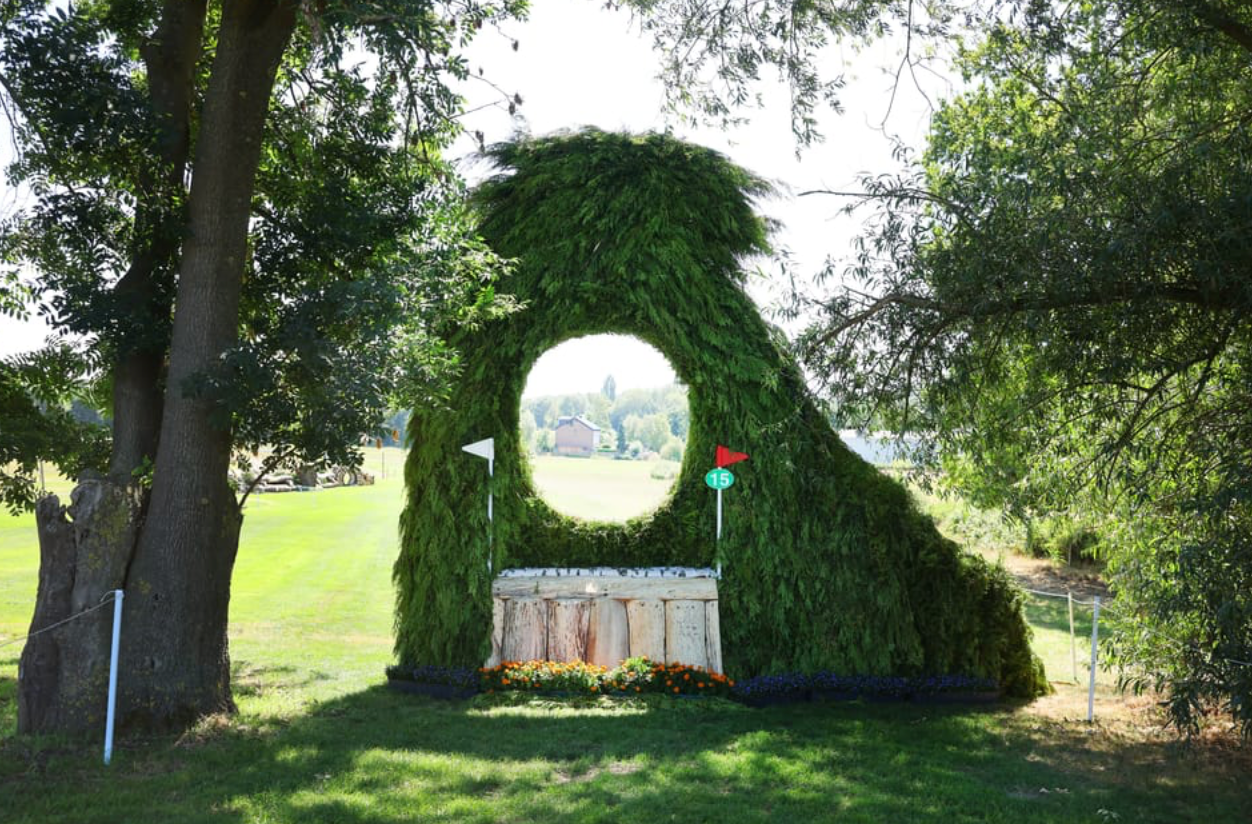
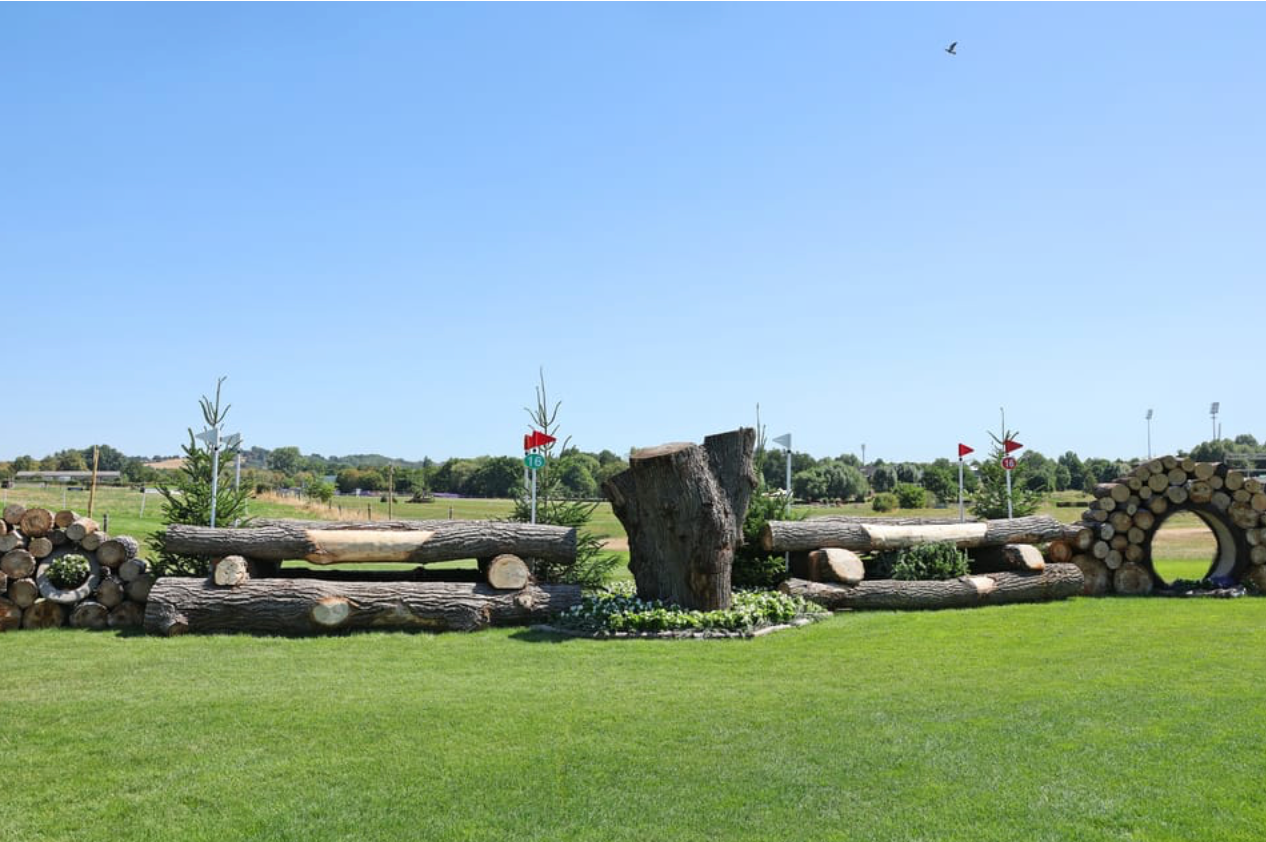
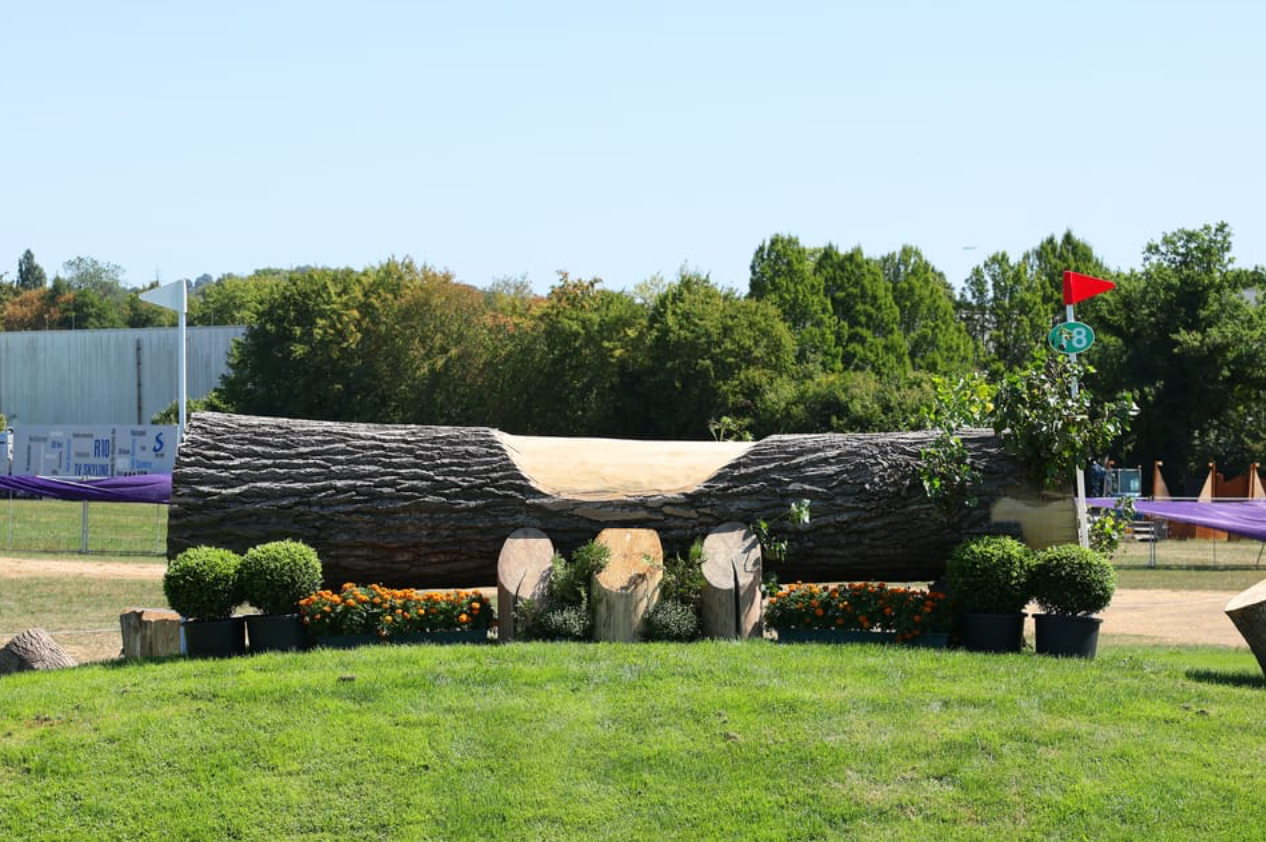
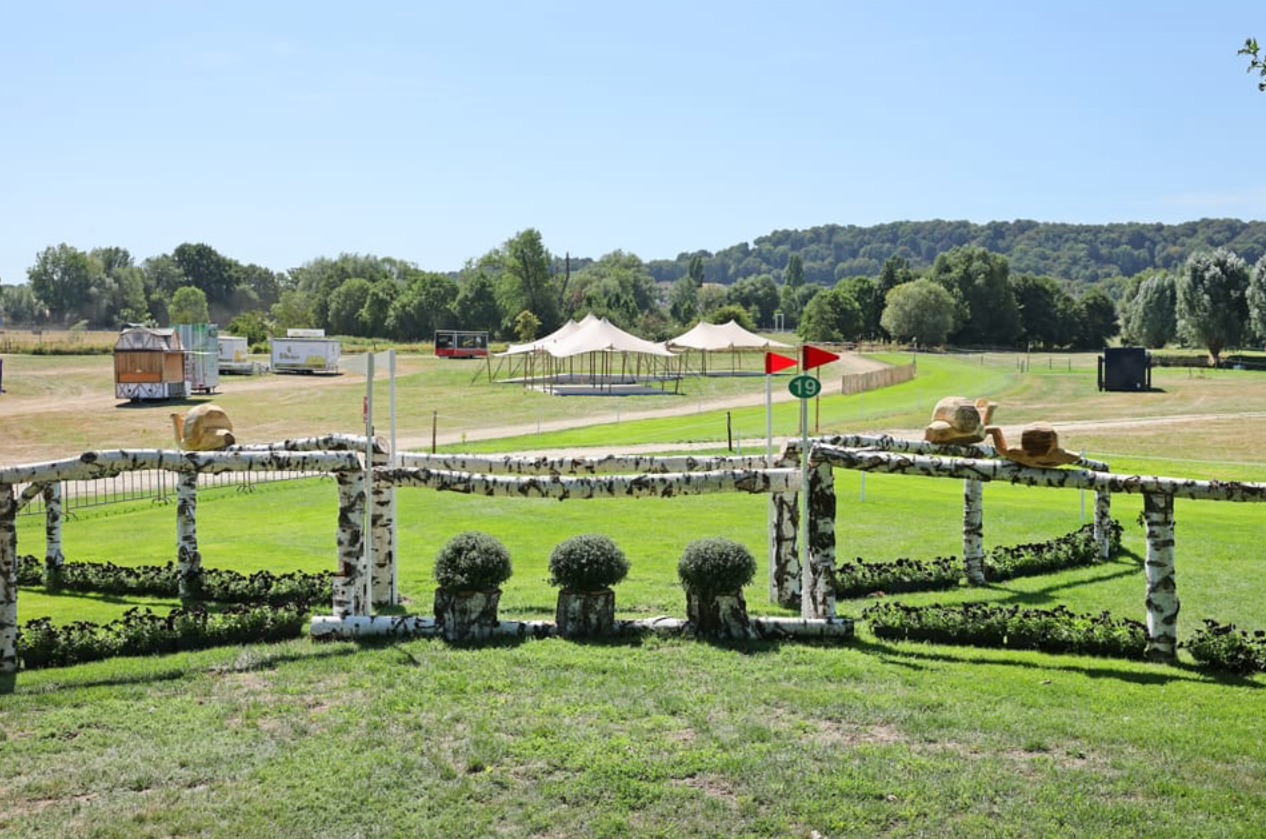
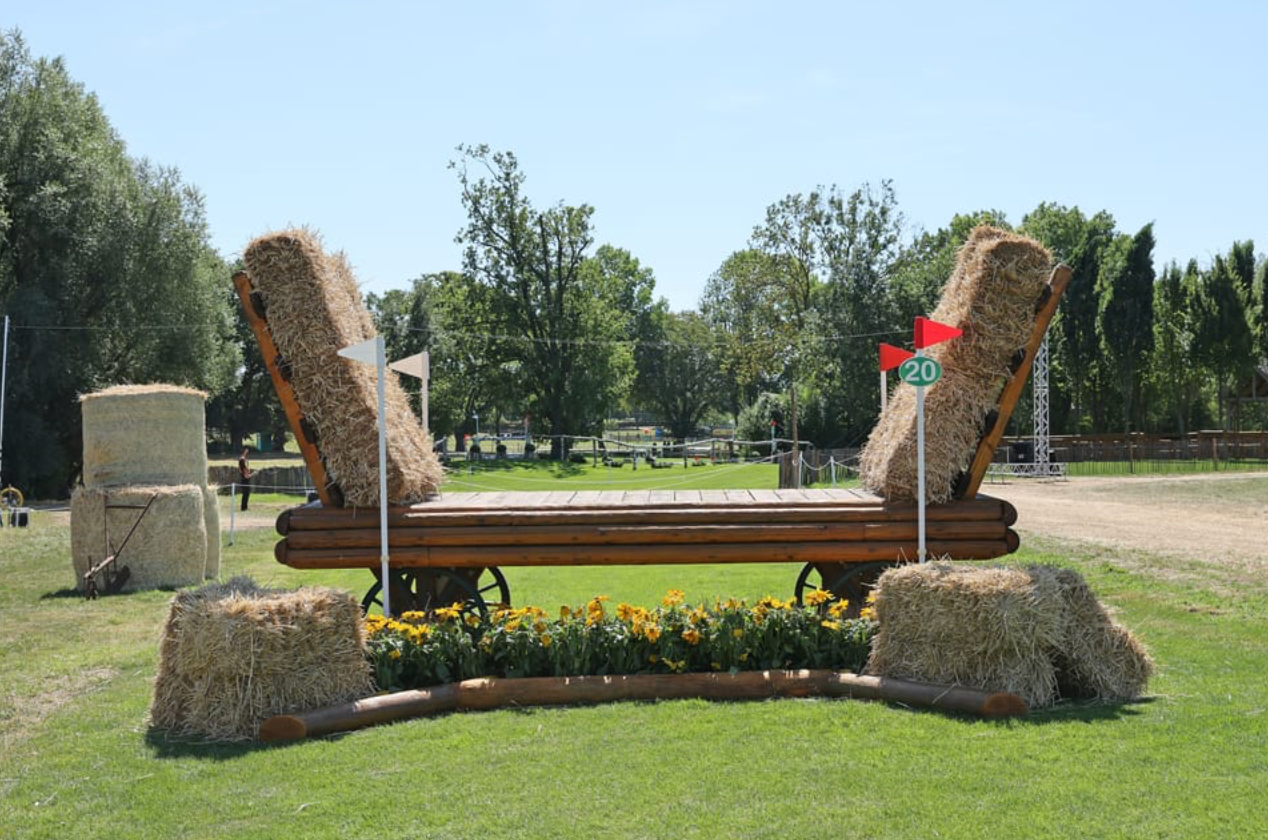
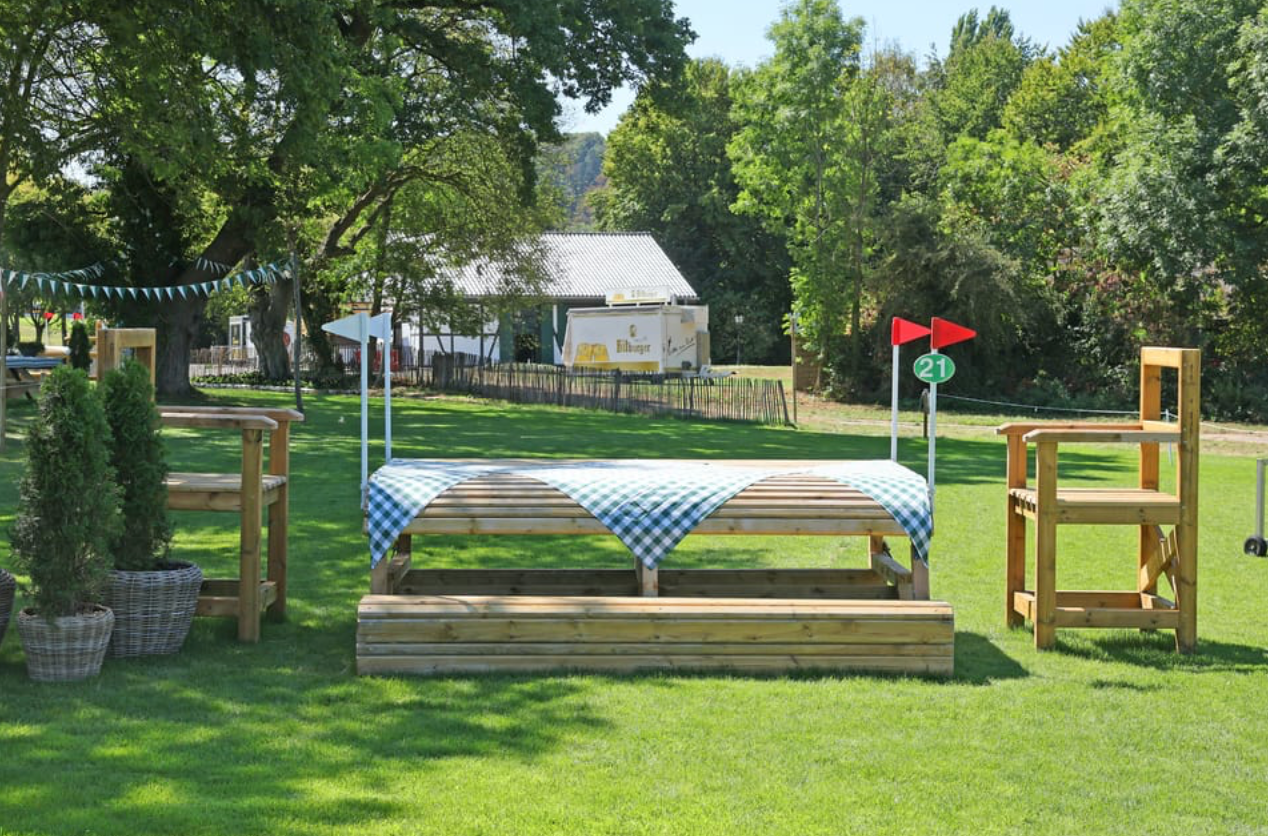
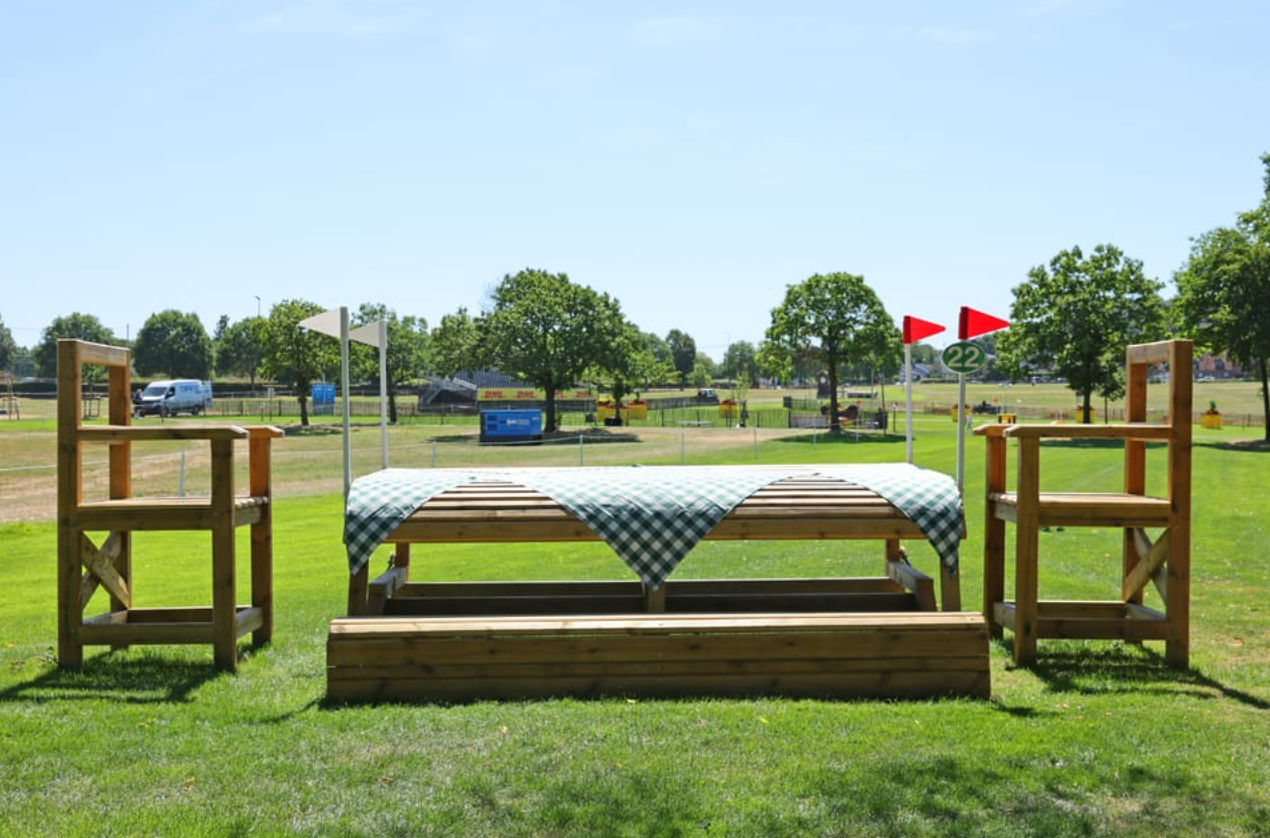
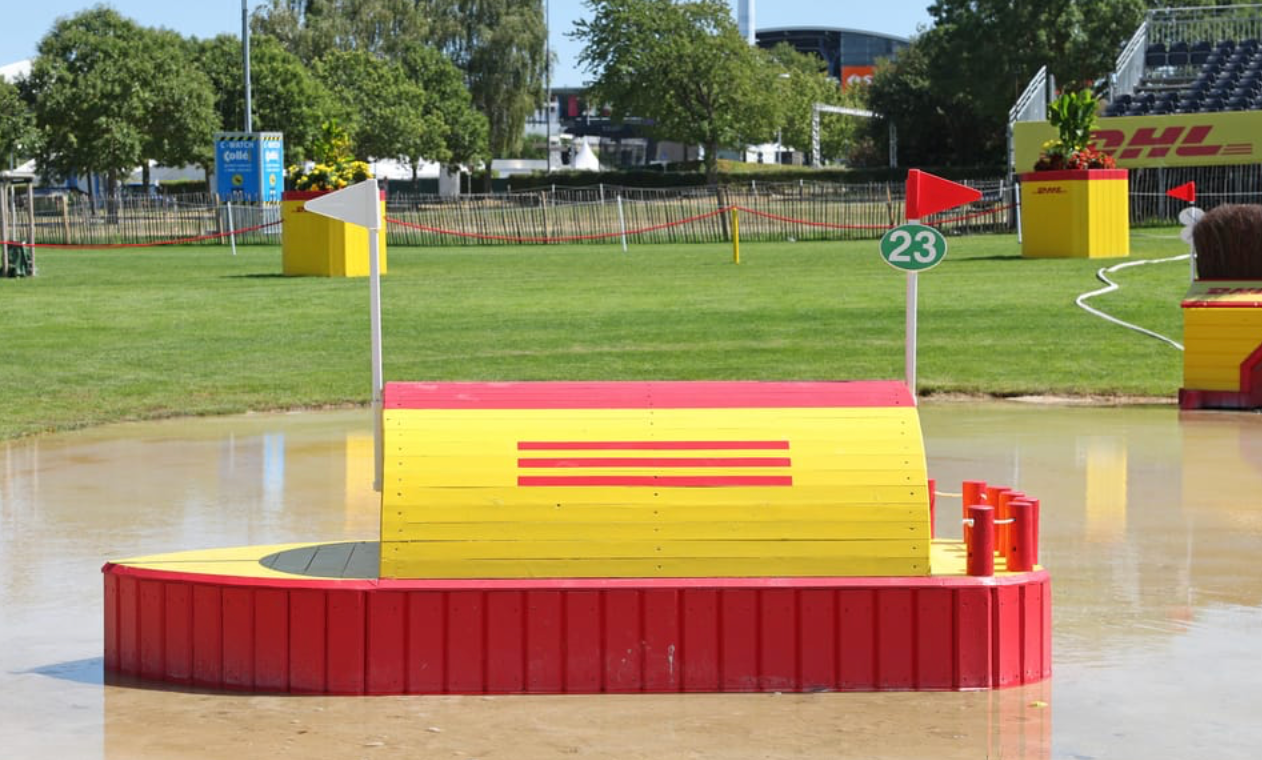
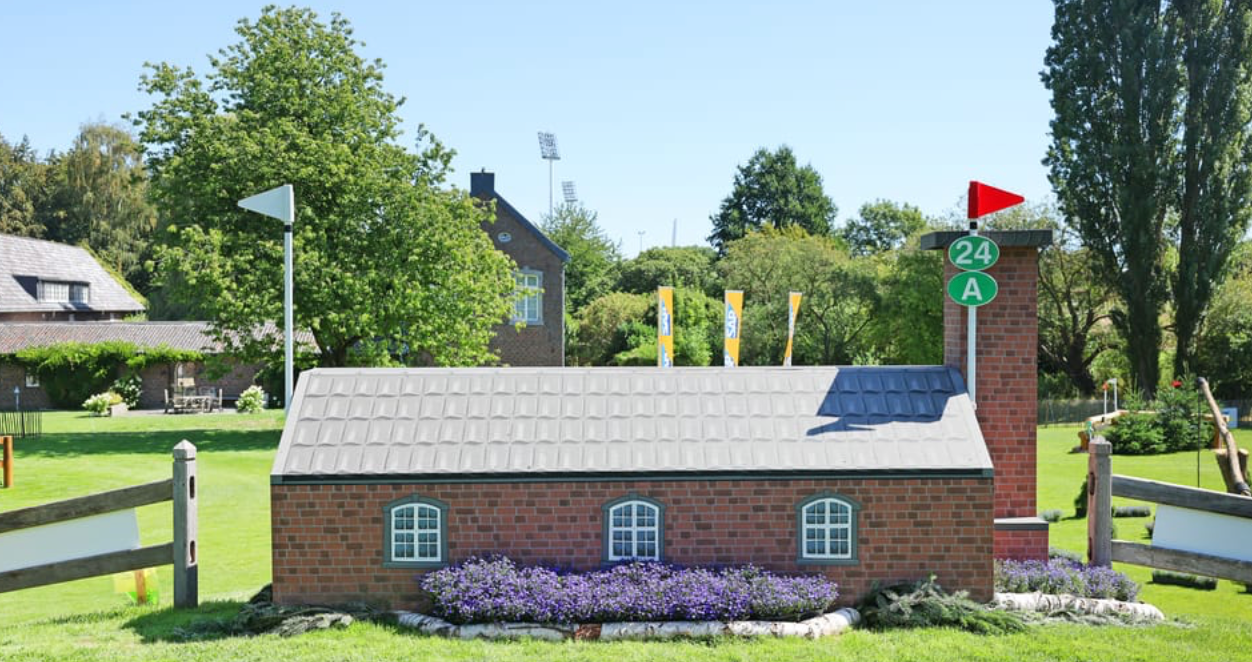
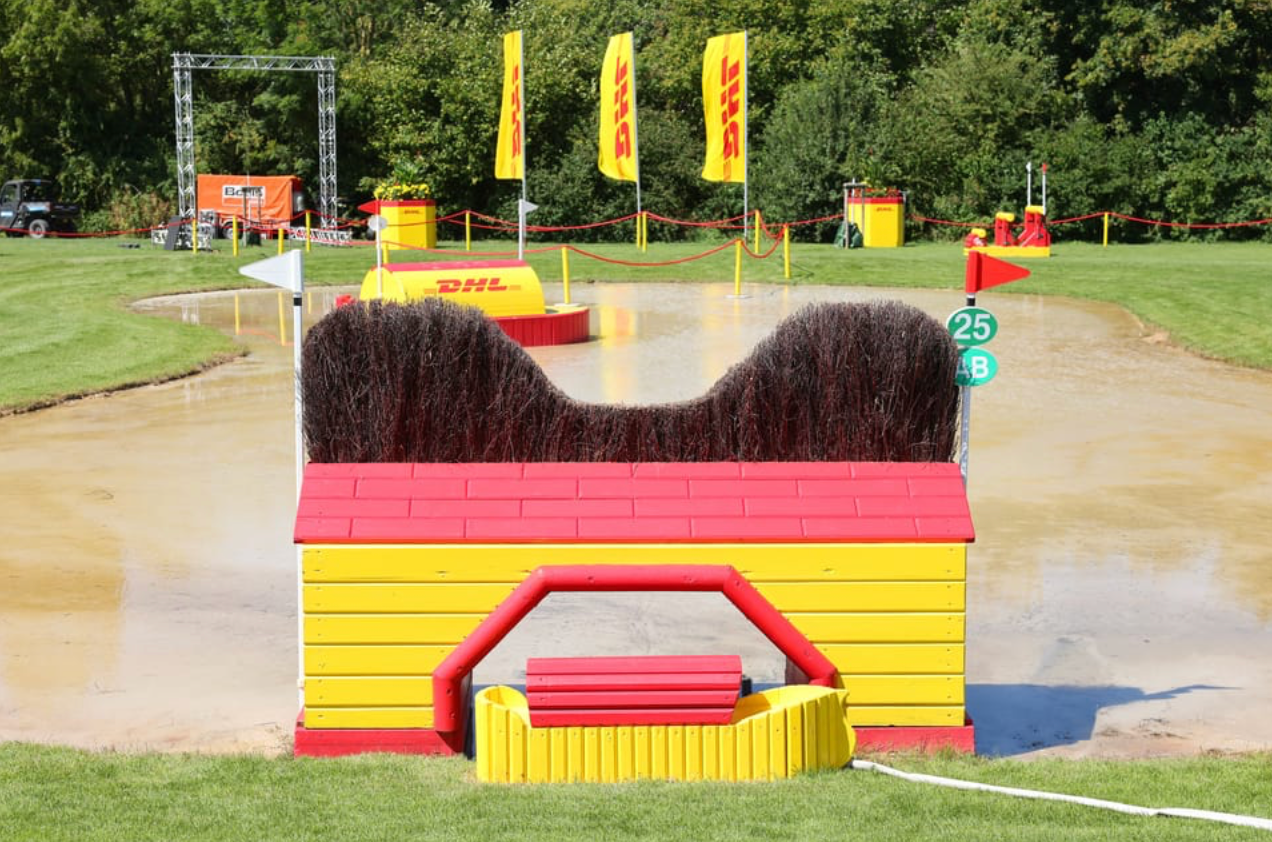
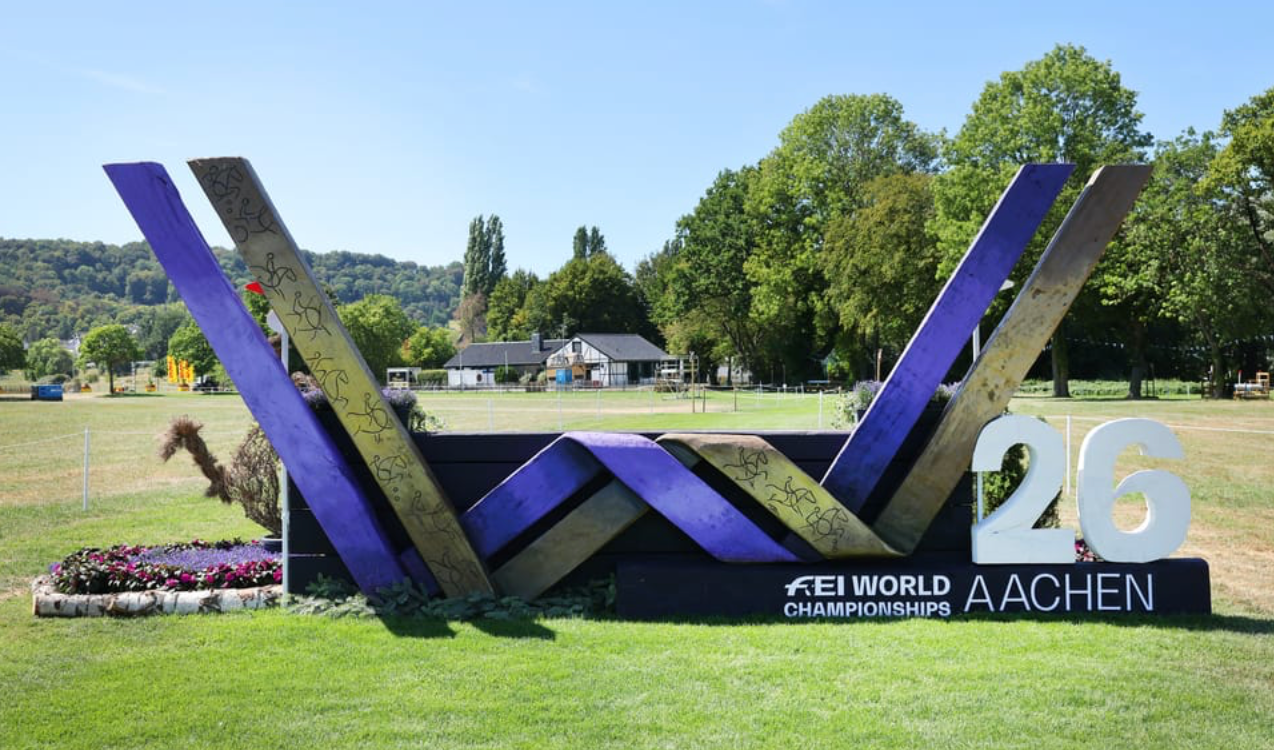
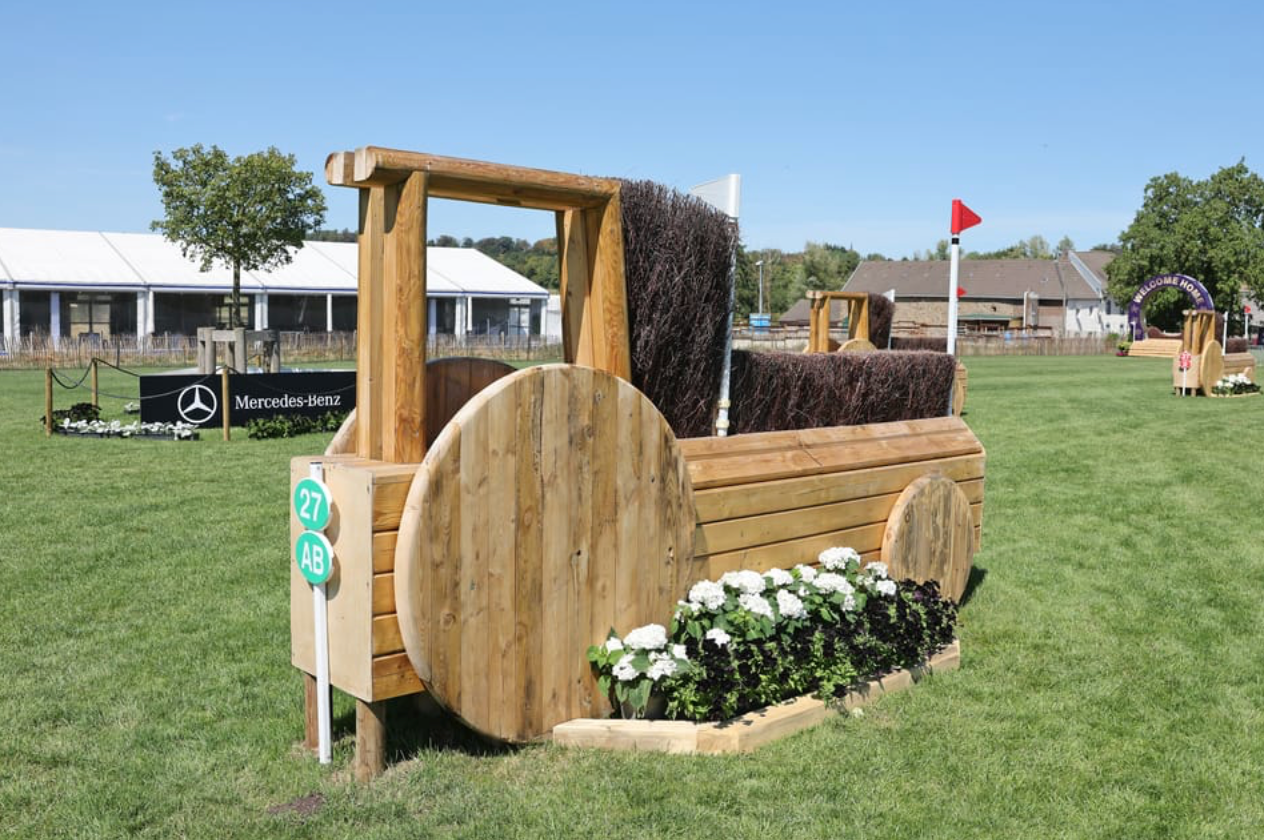
Everyone’s talking about heat stress. Eventing riders are dealing with a whole different kind of stress, as Andreas Dibowski reports. It’s all because of the World Championship eventing course: “We’ve actually been—and this sounds totally crazy—spending most of the last three days sorting the numbers and letters of the obstacles.” It only sounds crazy until you’ve walked the course yourself. The World Championship course in Aachen not only includes obstacles 1 through 28 with the letters A, B, C, and D in the complexes—which are also color-coded—but some are also labeled AB, BC, CD, and sometimes even ABC. Why?
Dibo explains
”
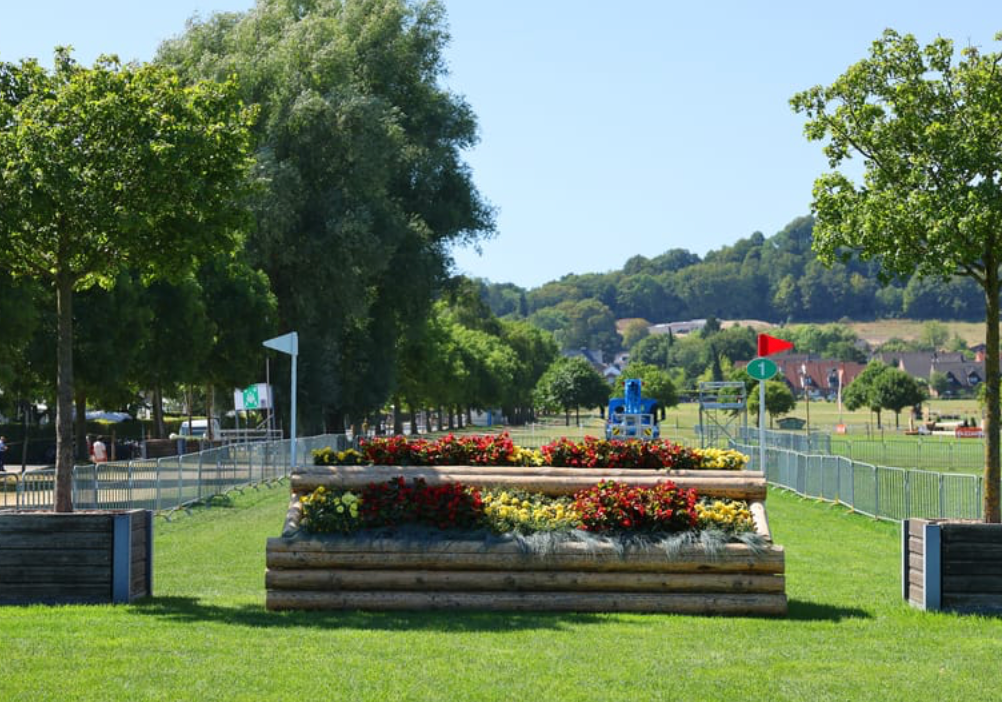
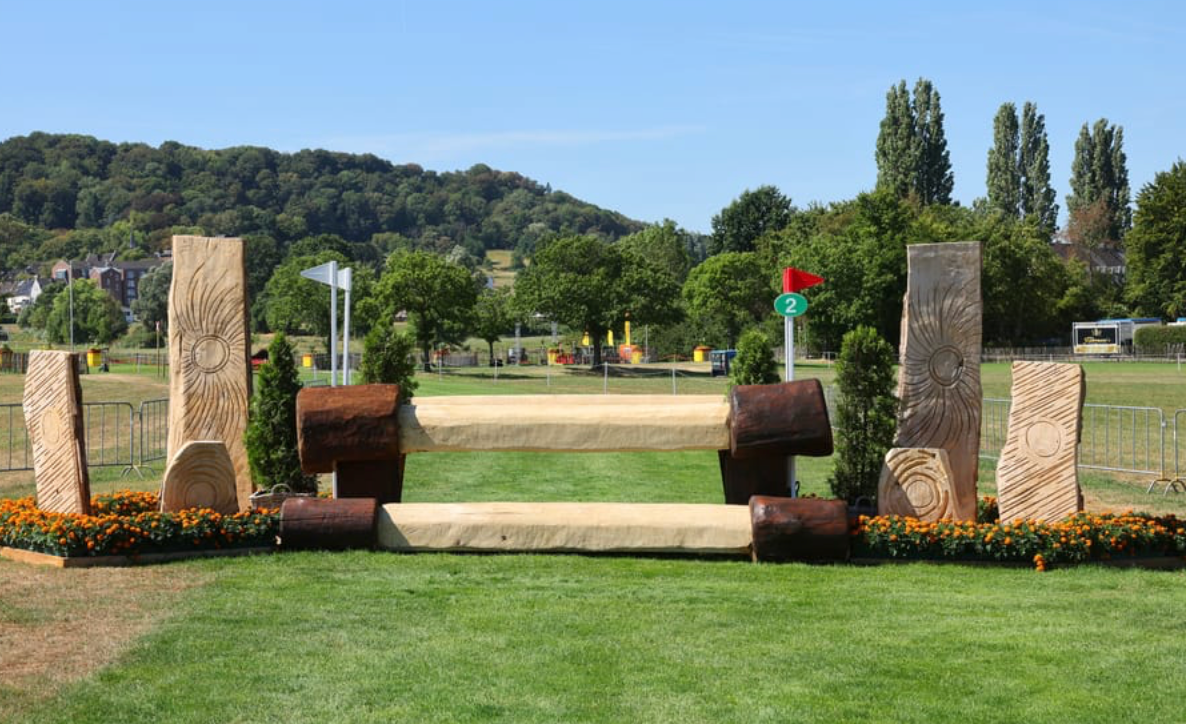
” The color differences are easy to understand: Green signs mark the direct route, while red signs mark the slower alternative.
Regarding the letter combinations, Dibowski, the 2008 Olympic team champion and cross-country coach, explains: “The goal is to prevent riders from starting on the easier route and then taking the direct route. For example, on the direct route, you have an entry jump AB and a direct jump C. But if you come from the other side, you only have A and can’t ride straight to C, because then you wouldn’t have jumped B—so there’s another B somewhere else that you have to jump before you can jump C.”
Sounds complicated? Andreas Dibowski agrees: “Intellectually, this is an extreme challenge for the riders and also for the trainers, because we really have to go over it with the riders again and again: What happens if it happens?”
World Championships in Eventing: “An Intellectual Challenge”
As long as the riders choose a route—whether the direct, fast route or the safer alternative—and the horses clear every jump, there’s no problem. However, if a runner passes by, the riders must react in a flash and determine which alternative route they are allowed to take to avoid missing an obstacle and being eliminated, or illegally jumping twice and incurring penalty points.
Specifically: If, for example, you have a stop on the second jump of a combination, you have to consider: At which letter did this happen, and which jumps have already been cleared? Because if, for example, you’ve chosen a route with an AB entry, you’re not allowed to approach a BC jump next. In that case, you would have jumped B twice and would receive 20 penalty points—the same as for another refusal, even though you didn’t have one.
Well-intentioned—but also well-executed?
Course designer Guiseppe della Chiesa’s idea: to offer alternatives everywhere so that even less experienced riders have a chance to reach the finish line. That’s commendable. Andreas Dibowski’s personal opinion: “This is extremely challenging and stressful for the riders. When a stressful situation arises, there are always riders who react incorrectly and get eliminated. I don’t think that’s necessary—it’s an unnecessary complication and a development I’m not entirely happy with personally.”
There were also discussions with the course designer about the fact that “this is really too much,” as Dibowski puts it. But: “People are thinking things through and have explained it, and in the end, it’s our job to tell the riders where to ride.” The crux of the matter: “They have a year or two to think it over, and we have to figure it out right away.”
on the
course
challenges
: Aside from the mental challenges the course presents, Dr. Annette Wyrwoll, chair of the eventing committee and a competitor in eventing at the 2000 Sydney Olympics, finds the course—at least on the direct routes—“very difficult.” And not because of the elevation, but from a technical standpoint. In that regard, the course is at the 5* level. Or, overall, “4* plus plus,” as British team manager Richard Waygood put it.
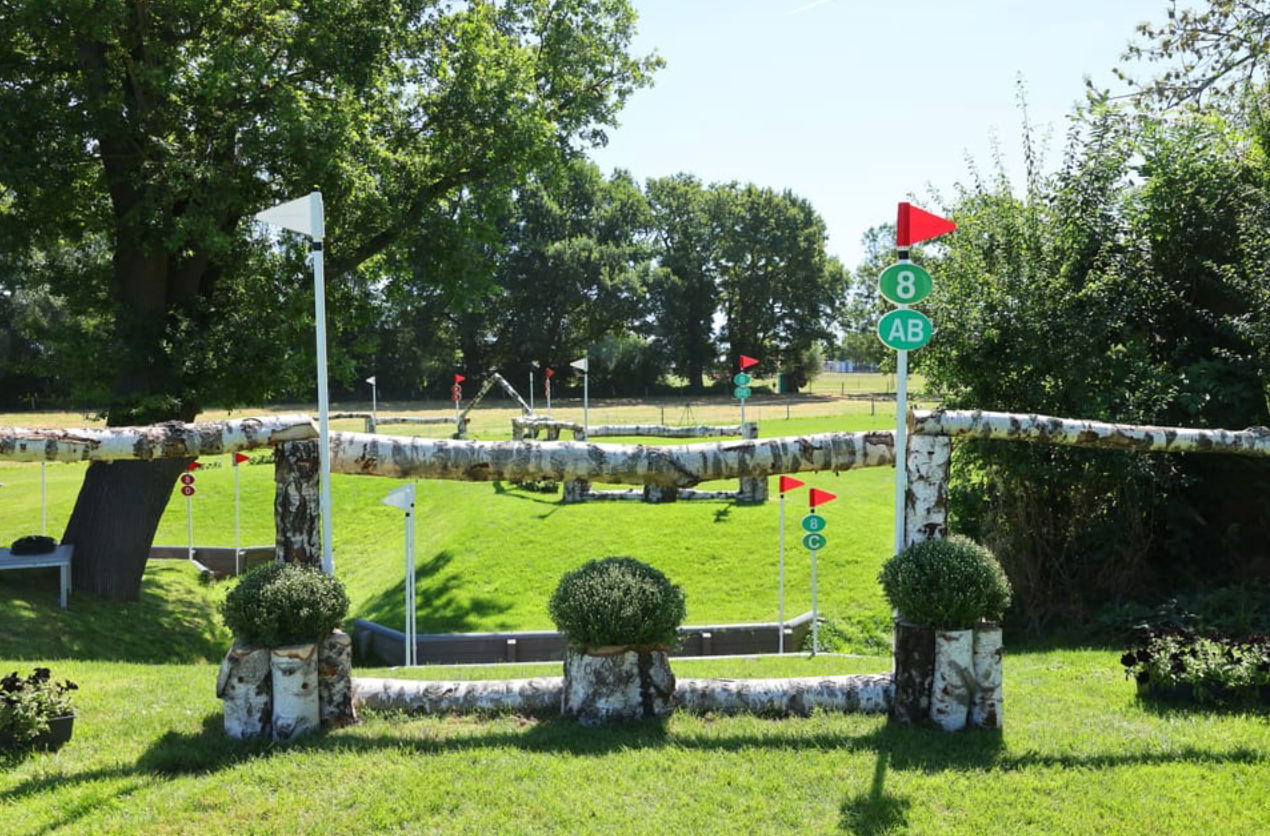
The Coffin
Wyrwoll and Dibowski see particular challenges in, among other things, the Coffin, which appears very early in the course as obstacle 8. But Andreas Dibowski emphasizes that challenges actually await riders from the first jump to the last. The riders are under extreme pressure to read their horses’ reactions. Here’s an example: “If the horses land a bit awkwardly at the Coffin, they might hesitate to jump into the deep end at the next obstacle, the Sunken Road.” So it might make sense to take the longer alternative from the start and risk a few time faults rather than definitely incurring 20 penalty points for a pass-by.
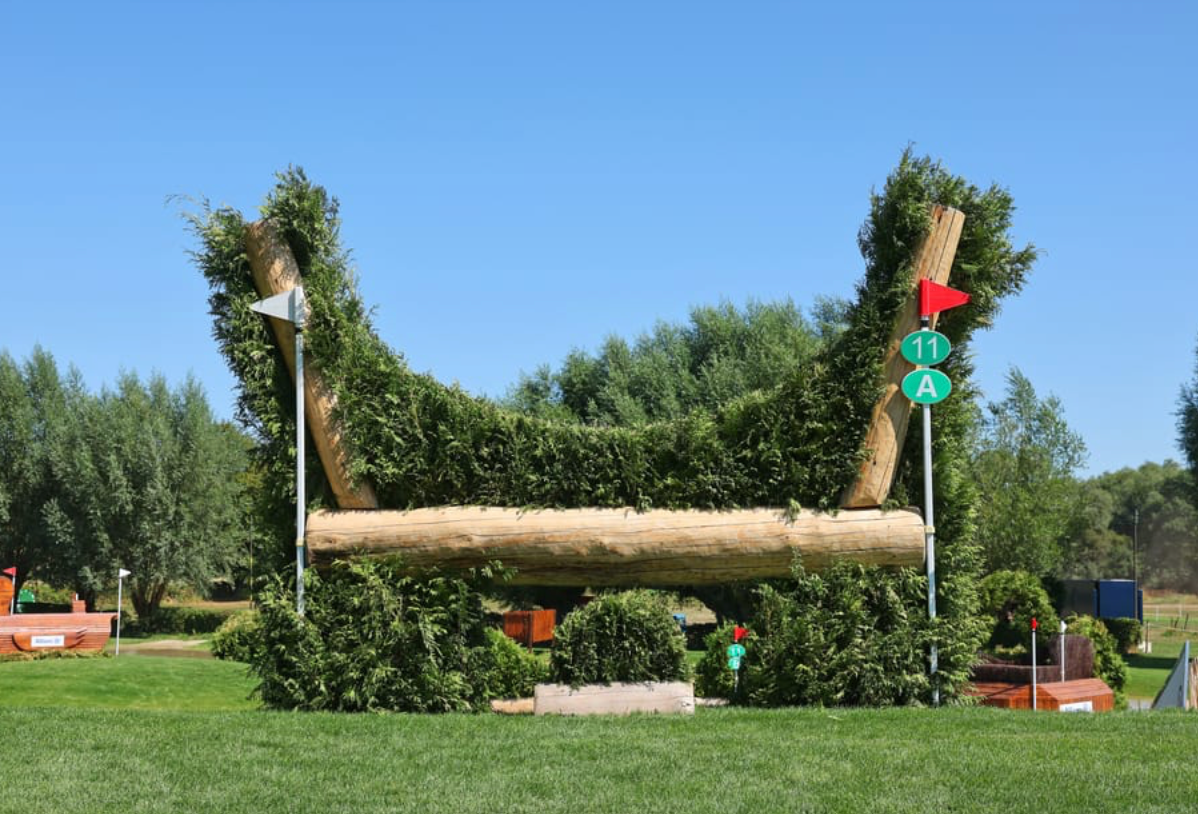
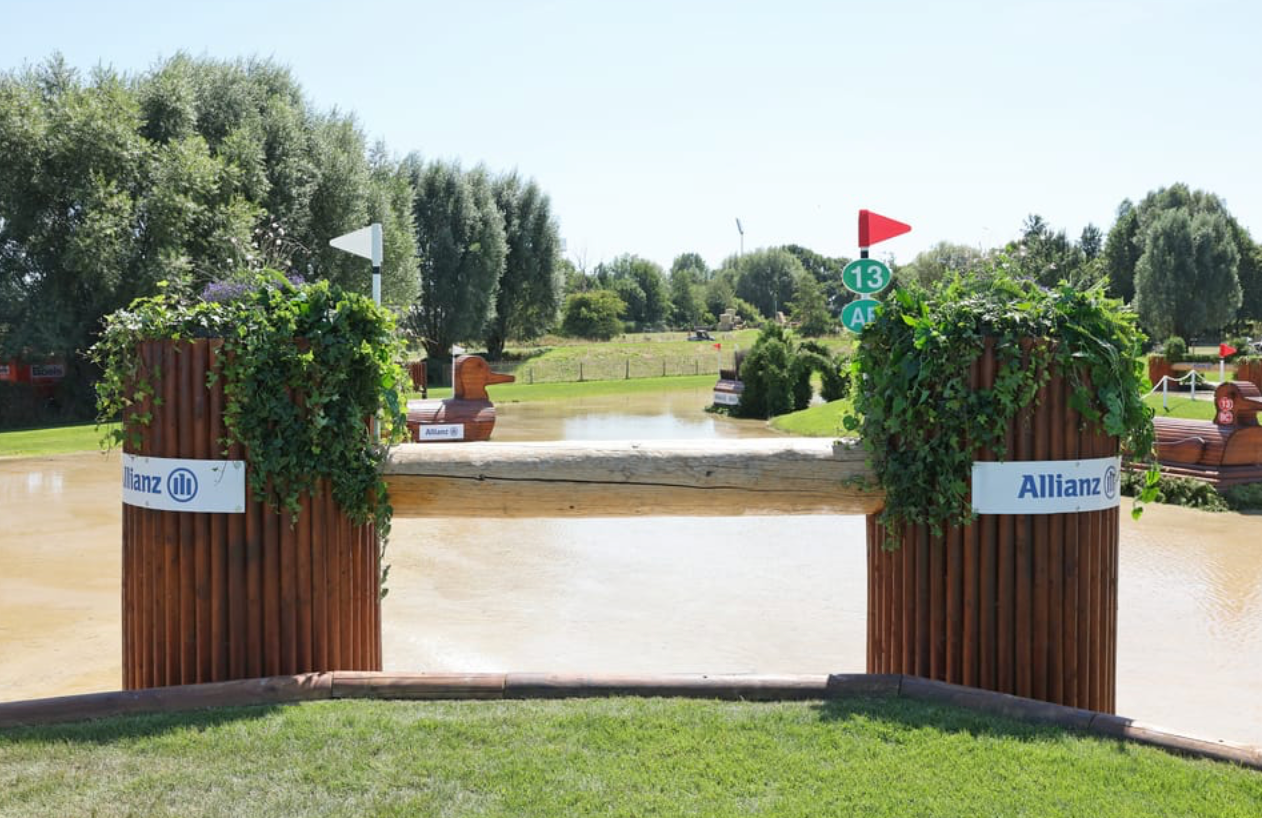
Allianz Water I & II
Another example is Obstacle 11, the first water complex, where two hedges lead into the cool water over a wide distance of three gallop strides. The approach is massive, and Dibowski says, “The three-stride distance is extremely long. You’ll have a lot of horses that might even take four strides—which isn’t a problem at all. It’s only when a rider tries to take a big takeoff and the horse breaks off the jump that it might injure its knee.”
Because even if the horse approaches the subsequent triple bar over a longer stretch of canter just as boldly as it did the water before—the same water complex awaits as obstacle 13, only with different jumps and from a different angle. Dibowski: “Then I have to carefully consider how much the horse was affected by the first water jump, because the direct route goes even deeper into the water and over the jump even more. This really challenges the riders to assess what’s necessary and what’s safer.”
The Longines Challenge
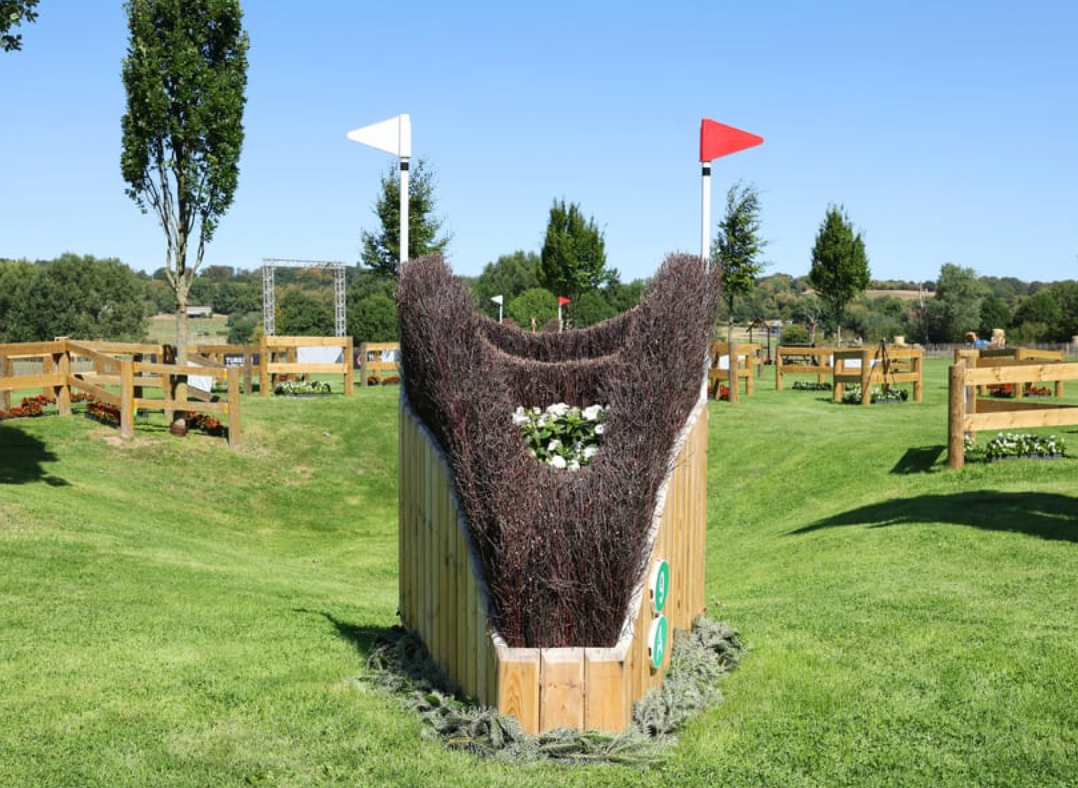
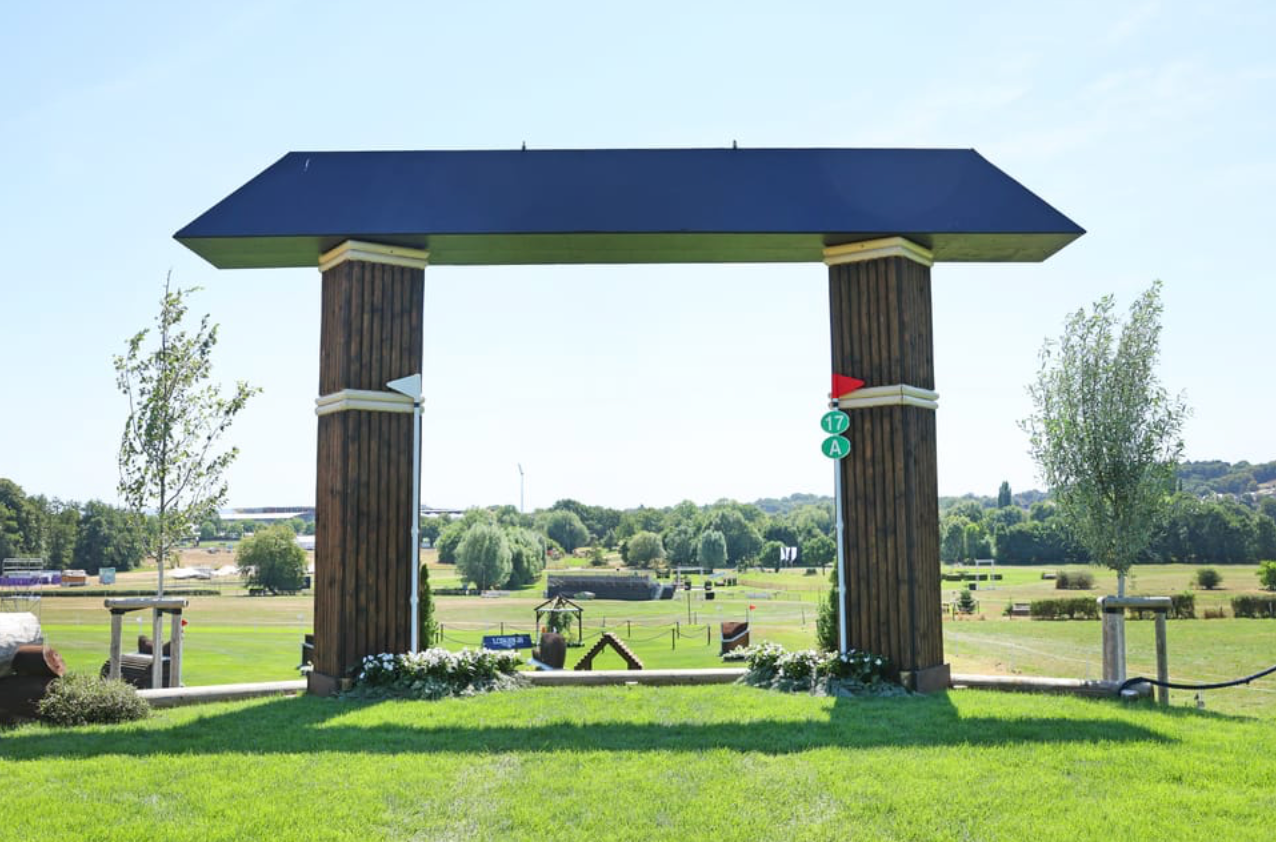
Obstacle 17, the “Longines Challenge”—better known to regular visitors to Aachen as the “Normandie Bank”—is one of the obstacles that give riders a headache. Yet the drop from the edge is only the beginning. Directly behind it lies a hedge that must be jumped at a very acute angle, followed—slightly offset—by an arrowhead with a brush the size of a standard kitchen chair.
“It’s a challenge, but it’s not impossible,” says Dibowski. “The horses jump down, go downhill, and their canter is a bit shorter at first. The distance from the sloping hedge to the narrow one is normally a positive cross-country distance. But because of the path leading up to it—the horse lands and has to get its feet under itself first, then make the turn. Advantage: It’s a bit like a steep curve on a Carrera track. The horses won’t slip there. But the rider knows they have to go in with forward momentum and gain ground. For some riders, this can lead to stress and cause them to set off at the wrong moment and then ride into the gap.”
What this means in equestrian terms: The takeoff point is too far away for the horse to jump off from, so it takes a small gallop stride to reach it. Result: The horse has to twist its body to clear the obstacle, and the entire flow of movement is disrupted.
As Dibowski reported, Rüdiger Schwarz, the longtime head coach of the Aachen team, also considers this direct route to be the most difficult challenge that his successor, Giuseppe della Chiesa, has come up with for the Reiter World Cup team.