Tips for training young show jumpers
Willem Greve’s recipe for success: patience, consistency and repetition
 from Dominique Wehrmann
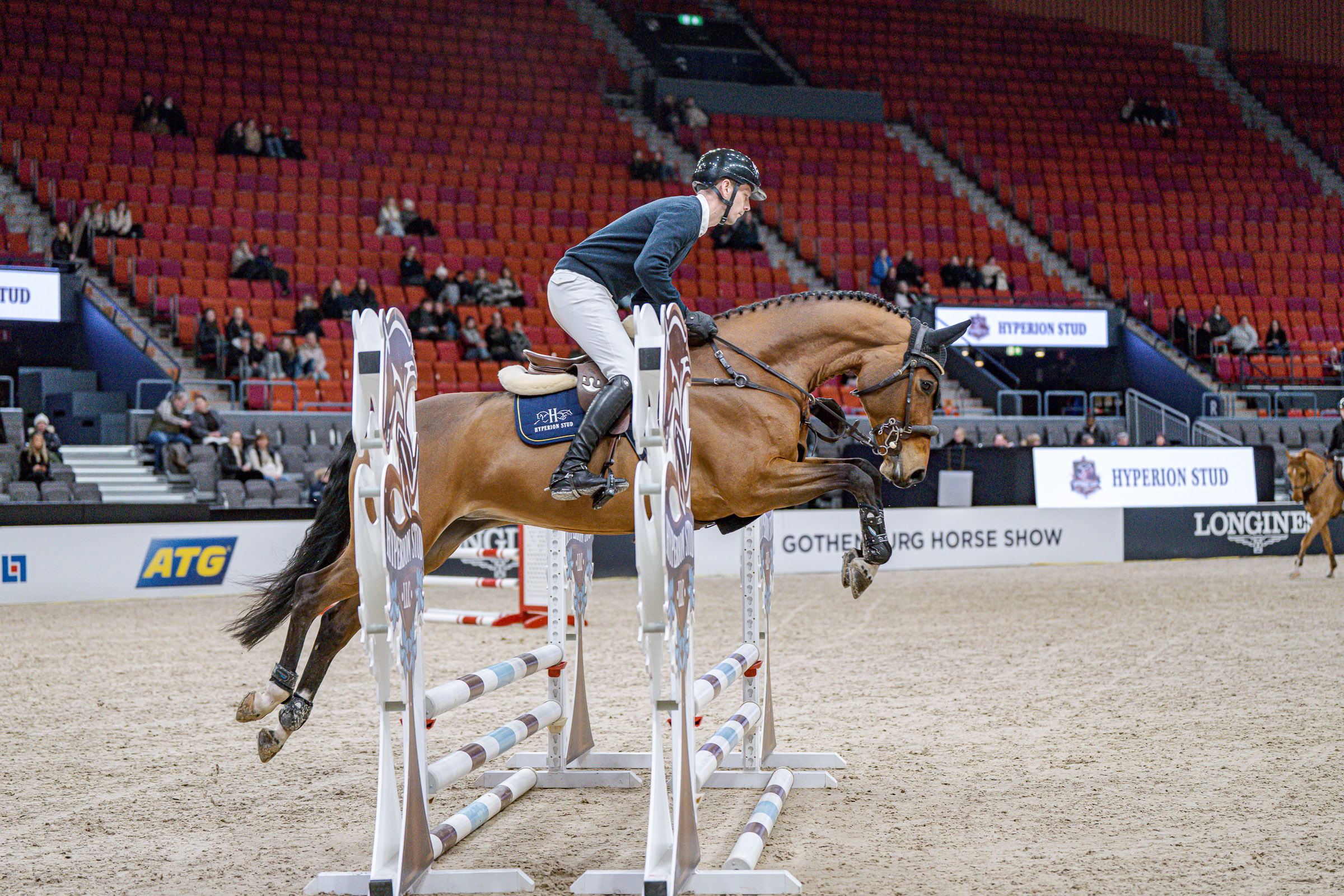
 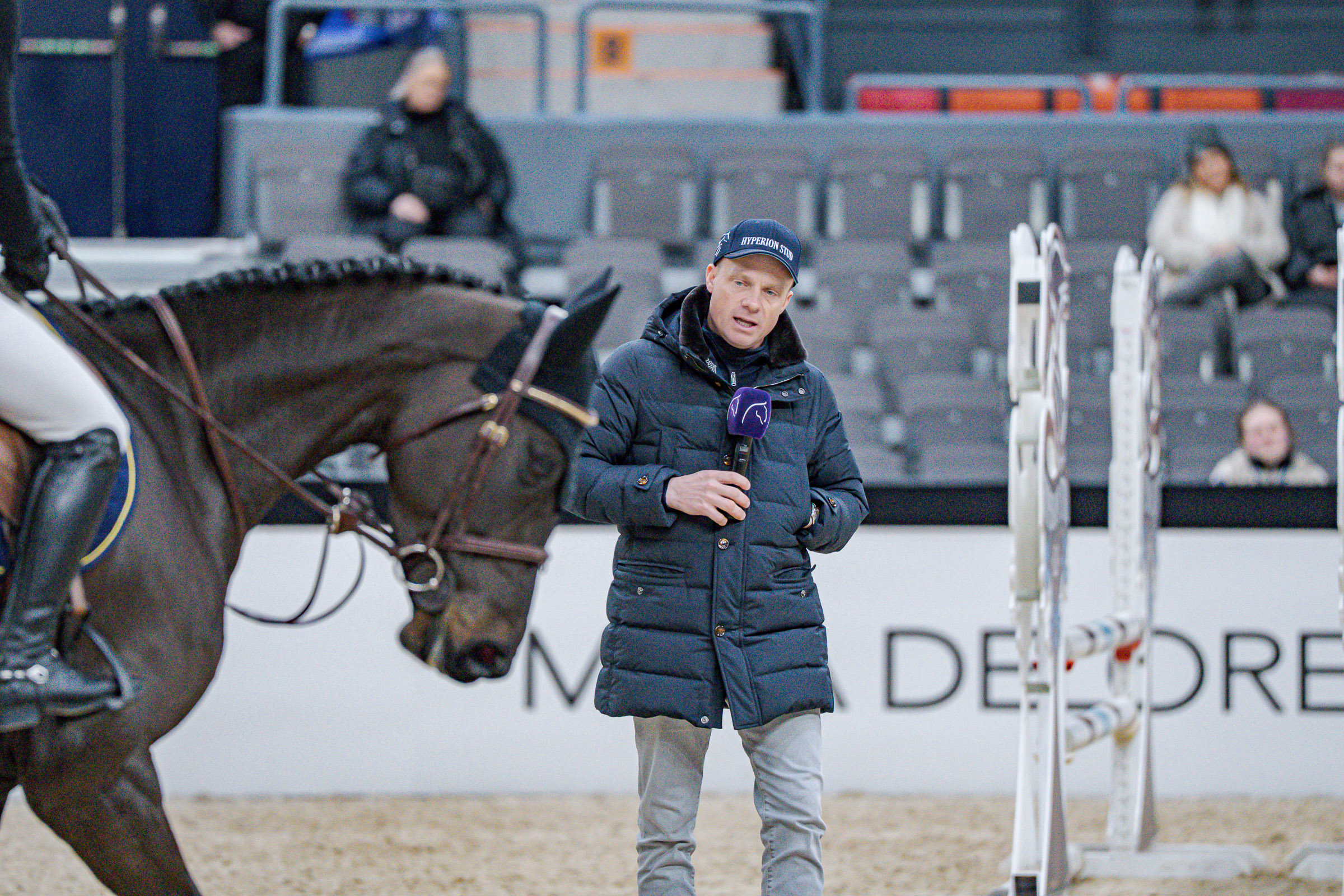 Willem Greve took time out at the beginning of the Gothenburg Horse Show to give a clinic, sponsored by Hyperion Stud. It was about training young show jumpers. Photo: GHS/Kim C. Lundin
 Three riders with young show jumpers had been invited to the Scandinavium: André Brandt with Chaccuino by Chacoon-Blue (5), Joanna Johansson on Kiaciene by Kintaro VDL (6) and Björn Svensson in the saddle on Magic Touch (7). Visually, the three horses could not have been more different – from the long-legged rascal to the still less muscled but highly athletic and exciting power mouse to the candidate who at first glance appears to be more relaxed, but as it turned out, she can also be very different. What they all have in common is talent and sensitivity in varying degrees.
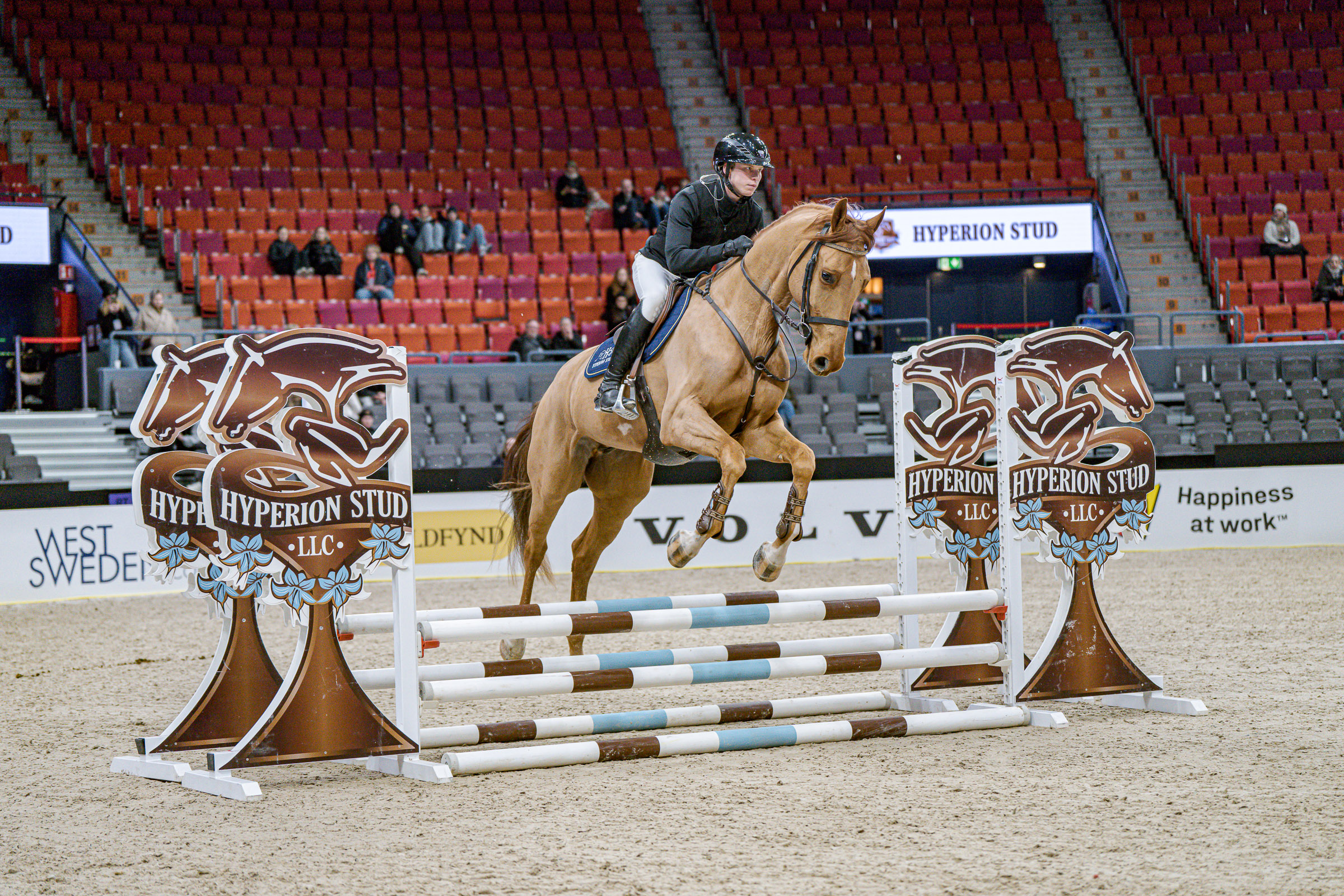
Here are some of the most concise learnings from this training session with Willem Greve
Question: Are there certain dressage lessons that prepare for jumping?
Answer(s): Every horse is an individual in terms of its nature and physical characteristics and must be treated as such. Therefore, there are no general recommendations, but there are some basic principles. These include: No matter what it is about – patience, consistency and repetition lead to learning success. Also this:
- A horse learns when it has done something well and is rewarded for it.
- Horses learn through repetition.
- Very important when jumping: Straightness. You can practise this on very small obstacles so that the horses stay in the middle of the jump and you can land left and right. These are the basics. If there are problems later on in the course, 99 percent of the time they are solved by working on these basics.
Question: How should hot horses be worked in dressage?
Answer(s):
- The horses must learn to accept the leg
- When trotting lightly, take up speed by sitting slightly slower than the beat. Don’t want to hold on, but give way and drive with a flat calf – no short impulses, but surround the horse with your calf.
- Then ride transitions, within the gait and between the gaits, hand changes, keep the horse busy.
Remember: Don’t be afraid to give in. The more you pull, the hotter the horses get. Control is not riding backwards. Control is when you ride forwards and don’t “lose” your horse, but keep it on the aids.
Question: What should I do if the horse gets hot when jumping?
Answer:
- Wait! Bring in calm! Don’t just let it happen, but gain control with a calm seat, not sitting heavily, but embracing the horse. Don’t just hold on in the course, but try to give way and allow the horse to breathe and relax between jumps.
Tip: Pay attention to your breathing!
“When they breathe rhythmically, they are relaxed, relaxed and ready to learn.”
Question: What to do if the horse does not want to go forward and is stuck?
Answer:
- Riding out in a group and galloping in the herd to awaken the desire to ride.
Question: What should I do if the horse does not work well on curved lines?
Solution:
- Do not pull the neck around! The neck should remain in front of the shoulder. The horse should bend around the inside leg and step up to the outside rein. What happens behind the saddle is more important than what happens in front of the saddle.
Question: How can you improve your forehand technique?
Answer:
- By having a clear baseline that prevents the horses from getting too close to the jump and encourages them to “jump back” with their shoulder.
Question: How often should I jump high at home?
Answer:
- It depends – young horses should have jumped the heights expected of them at the show several times at home. With older horses that can do everything, it’s all about keeping them fit and motivated at home.
Question: Is there an ultimate tip for stitching?
“Don’t think too much!”
Who is Willem Greve?
Dutch show jumper Willem Greve has his sights firmly set on the World Cup final in Texas. After three stage wins in one season, he travels to Fort Worth as the leader of the Western European rankings. Who is the man everyone is talking about at the moment? To make a long story short: a horseman like his father, Jan Greve.
Willem Greve was twelve years old when he rode in his first European Championships. From pony to young rider age, no European Championship for young riders took place without him and he won two silver and two bronze medals with the Oranje team. You could say that he was born to ride.
His father is the veterinarian Jan Greve, head of the veterinary clinic and stallion station De Watermolen with its own breeding and rearing facilities. Greve Senior was the discoverer of stallions such as Voltaire and Guidam. Watermill Scandic by Patrik Kittel was born here. He not only bred show jumpers and dressage horses, as a team vet for the Dutch national teams he looked after show jumping, eventing and dressage cracks – until he fell out with the then national coach Sjef Janssen over his training methods and resigned from his post. In an interview in the Australian The Horse Magazine in 2018, Jan Greve said:
“A dressage rider wants a horse that doesn’t think. He wants a horse that is obedient and calmly performs the same rehearsed routine every day. Every movement is controlled, even that of the rider. If you have a horse that remains fresh and happy despite this discipline, then you’ve won the title.”
Greve sees himself first and foremost as a horseman and only then as a vet. His son feels the same way about his job as a show jumper.
Enjoy training young horses
Willem Greve studied under great trainers such as Henk Nooren and Jeroen Dubbeldam. He lives primarily from training and selling horses, no longer at home but at his own facility in Markelo. As he once said in an interview with his sponsor Roelofsen: “I don’t have to compete at a big show every weekend. Working on something with a horse, training young horses and everything that goes with it, that’s what I enjoy. You try to train a horse and then when you can ride at the top level with a horse like Carambole or Grandorado, it’s incredibly satisfying. But also when you sell a horse during its development and the customers are successful and happy with it, that gives me just as much pleasure.”
Just as it is now with Highway TN, which he trained with Lillie Keenan.
Carambole – “Simply the Best”
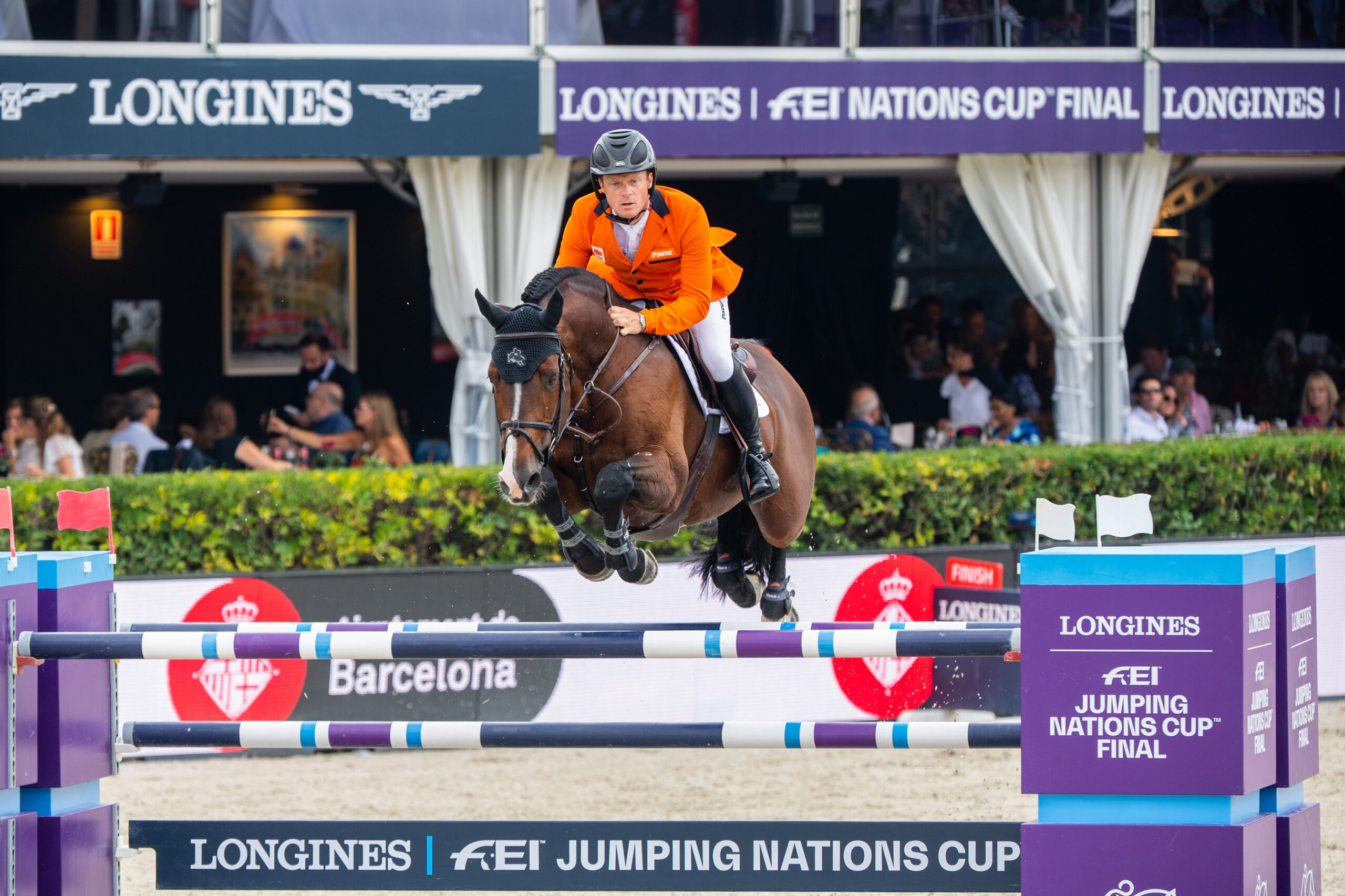
Willem Greve had his international breakthrough with the stallion Carambole, a Holstein stallion as he is known – typey, masculine, athletic, three very good basic gaits, perfect manner at the jump and infinite ability. He was also rideable and you only had to look into his eyes to recognize his character. The Cassini I son was born at Jens Ritters in Krumstedt.
Like most of his horses, Greve trained Carambole himself and competed in his first championship with the then nine-year-old stallion at the 2013 European Championships in Herning. The pair won the Knokke, Drachten, Hardelot and Wierden Grand Prix. In 2021, they made a significant contribution to the Dutch victory in the Nations Cup Final in Barcelona. Two years later, Carambole was officially retired from the sport after more than ten years at the top of the sport. He was not able to enjoy his retirement for long. In the summer of 2025, he broke his leg and had to be euthanized. A terrible loss.
Willem Greve wrote on the news of Carambole’s death: “I owe you everything. You were my best partner of all. I appreciate every single moment. Thank you my friend for bringing people together and making me a better horse person and rider! You will forever be ‘Simply the Best’.”
Spoilt for choice
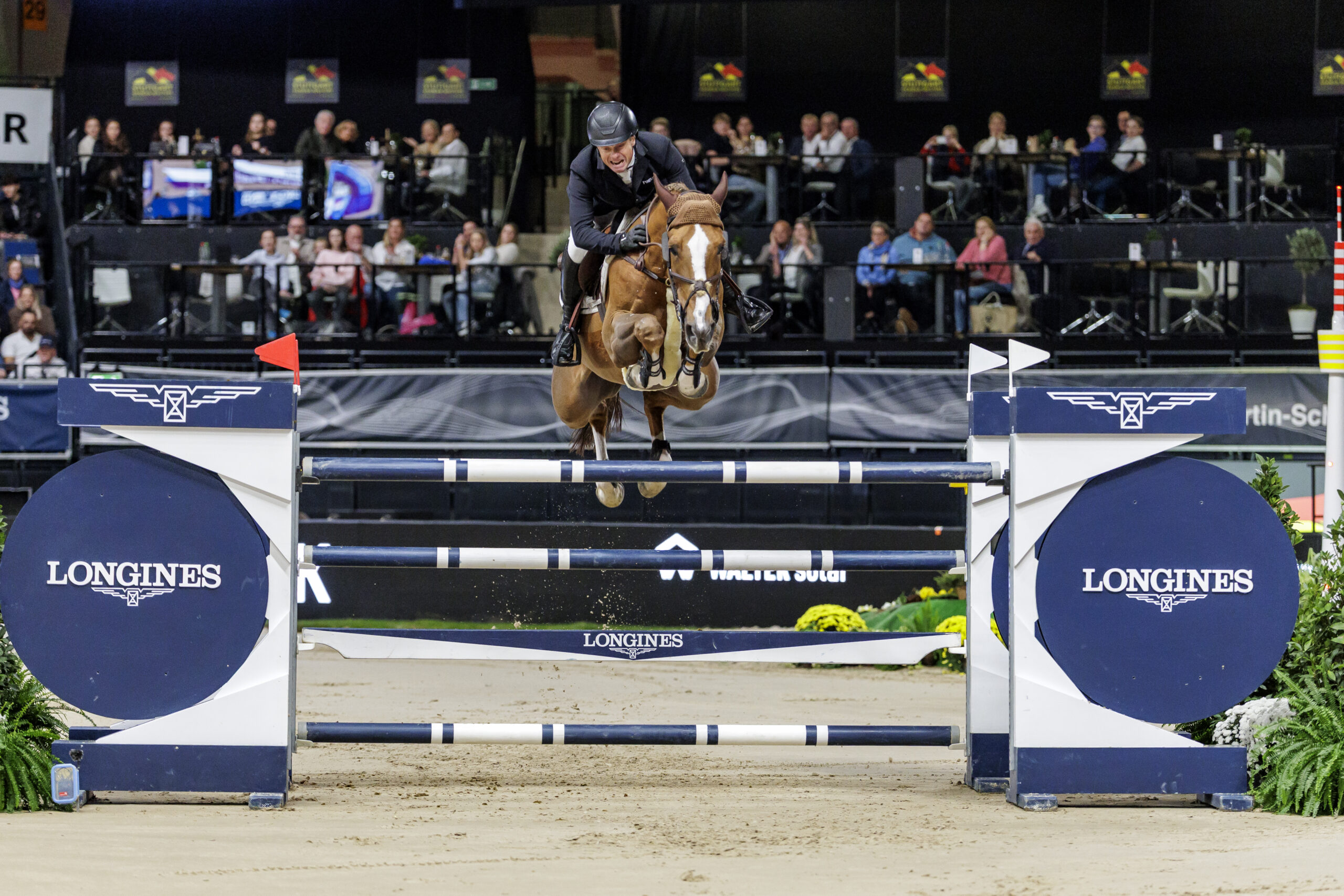
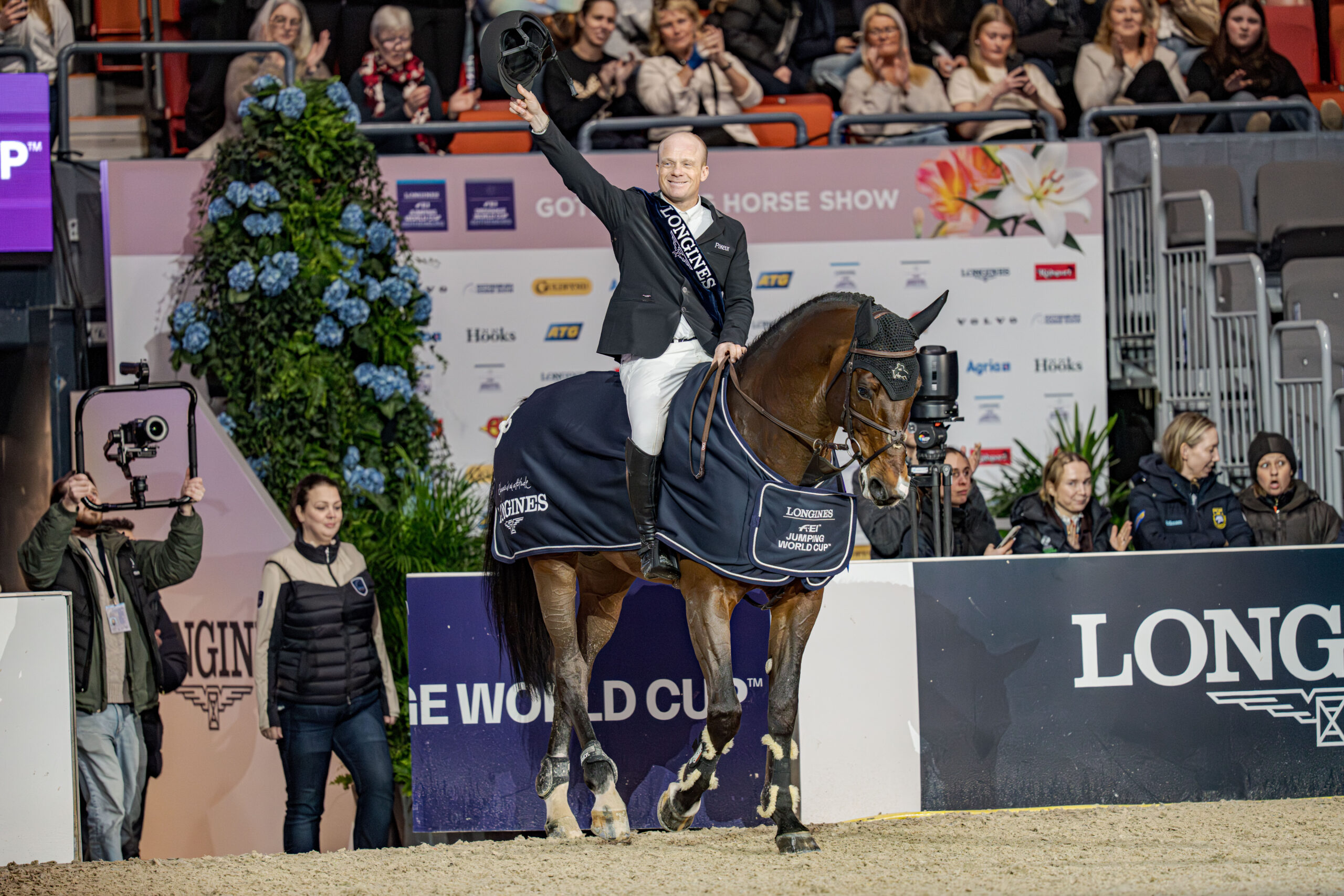
At the same time, Greve had long since built up other horses. With the former KWPN licensing winner Grandorado, Greve won the World Cup show jumping competition in Gothenburg yesterday. He was able to keep him for himself thanks in part to his cooperation with Team Nijhof, for whom he also trained and presented the ‘s-Hertogenbosch and Leipzig winner Highway TN, who has since been leased to Lillie Keenan. He himself holds shares in his European Championship partner from 2025, Pretty Woman van’t Paradijs.
He still has to decide whether he will ride Pretty Woman or Grandorado in Fort Worth. “Pretty Woman was actually my first choice. But Grandorado is also in great form, so we’ll see.”
Especially as the planning also has to take into account the next big goal this season, the WEG in Aachen.