Bornavirus in horses: symptoms, course & protective measures
Bornavirus in horses: Why the disease is often fatal
 from Kerstin Wackermann
 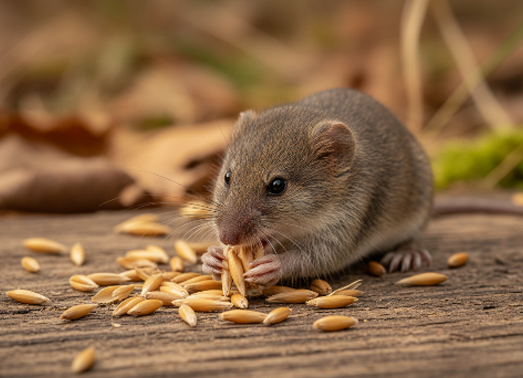 Mouse droppings are considered one of the main sources of transmission of bornavirus, which often leads to death in horses. Photo: AI-generated
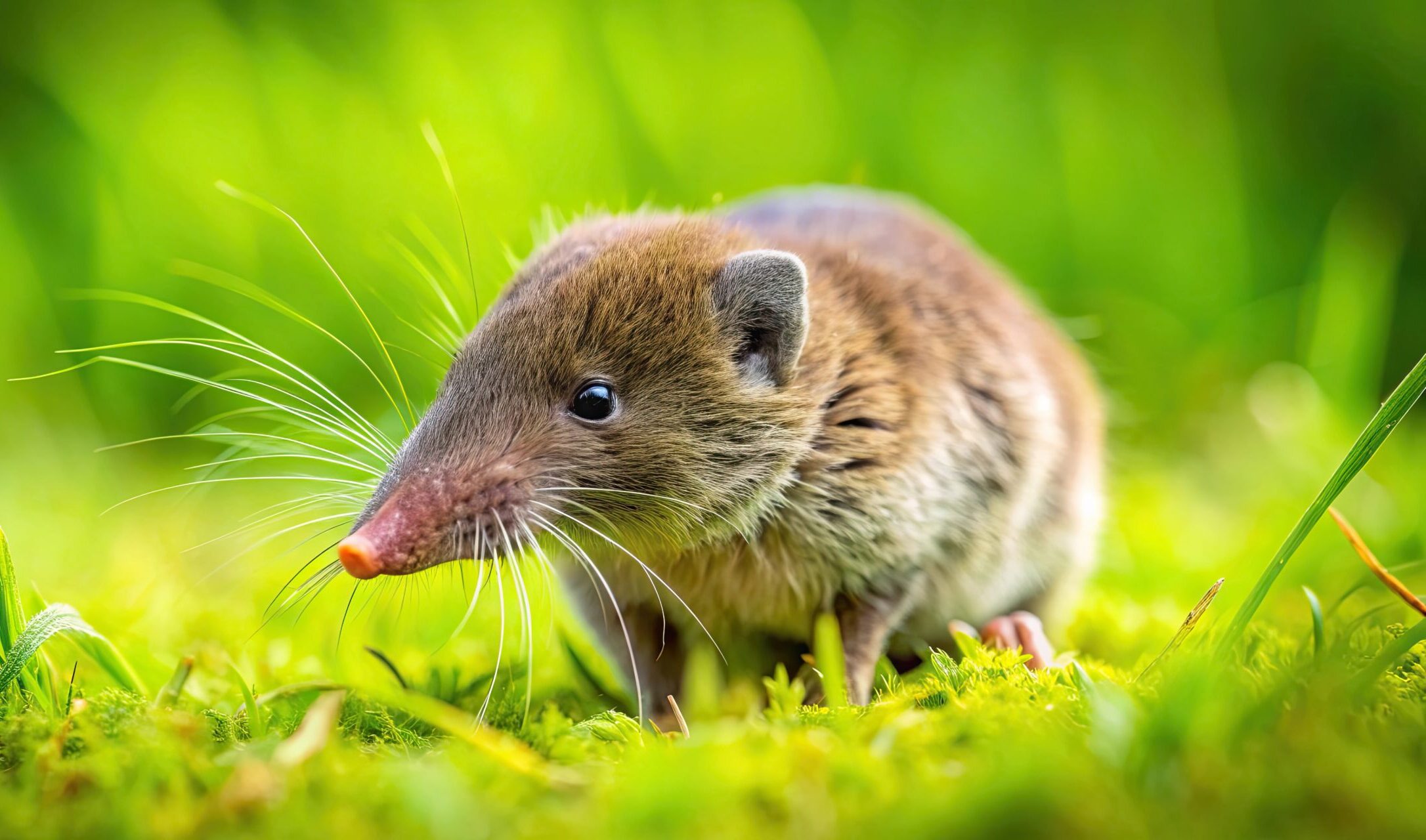
 Bornavirus (BoDV-1) infects nerve cells in horses and triggers an inflammation of the brain as part of an immune reaction. Exactly how it enters the horse has not yet been conclusively clarified. It is assumed that infected shrews excrete the virus via saliva, urine or excrement and horses ingest it via the mucous membranes in the mouth and nostrils or via small wounds. Contaminated feed and bedding are conceivable causes. Field shrews (Crocidura leucodon) in particular are considered a natural reservoir for Bornaviruses. However, the virus has also been found in other shrew species, albeit much less frequently.
Bornavirus in horses: incubation period, course, treatment
When horses become infected with bornavirus, they usually show no symptoms at first. The incubation period, i.e. the time from infection to the outbreak of the disease, is usually several weeks or months. This means that the viruses lie dormant in the horse completely unnoticed during this time. An outbreak of disease only begins when the immune reaction in the central nervous system starts: The immune cells recognize virus-infected nerve cells and trigger an inflammation of the brain (encephalitis). The inflammation causes the brain tissue to swell. As a result, nerve cells can no longer transmit their signals properly and entire control processes in the brain are disrupted. From this point, the horse’s condition can deteriorate very quickly and lead to severe neurological deficits, often within a few days. The neurological damage usually does not regress.
There are currently no approved drugs to combat the virus. Early, mild cases can initially be observed and treated symptomatically – however, in the majority of clinically ill horses, the condition deteriorates significantly within a short period of time. Vets generally advise that horses should be put out of their misery if they are no longer able to stand or walk safely, if they are unable to swallow properly, if they are stuck or if their condition continues to deteriorate rapidly despite symptomatic treatment.
Symptoms of Bornavirus disease
Typical are neurological abnormalities that begin with mild behavioral changes and quickly get worse:
- Behavioral changes, apathy
- Poorer or no reaction to environmental stimuli
- Abnormal eating behavior, empty chewing, reduced tongue motor skills
- Difficulty swallowing
- Fever
- Ataxia
- Coordination problems
- Stuck
Bornavirus diagnosis and mandatory reporting
A reliable diagnosis of Borna is generally not possible in a living horse: detection of antibodies against Borna viruses in blood or cerebrospinal fluid (CSF) does not provide reliable results and only allows a suspected diagnosis. As a rule, the disease is suspected clinically on the basis of the symptoms and confirmed after death. If there are corresponding clinical symptoms and direct evidence of the virus, there is an obligation to report the disease.
Bornavirus: some regions are particularly affected
According to the Friedrich-Loeffler-Institut (FLI), the Bornavirus is endemic in some regions of Germany. This means that the virus is permanently present there and is repeatedly detected. The main areas are Bavaria (especially Upper, Middle and Lower Franconia and the Upper Palatinate), Thuringia, Saxony and Saxony-Anhalt; neighboring regions in Baden-Württemberg and Brandenburg are also affected in isolated cases.
The FLI researches animal diseases, viruses and zoonoses, develops diagnostics and risk assessments and provides independent technical advice to the federal government and authorities. The FLI is regarded as a central reference for viral diseases. It provides an overview of the Bornavirus and which regions are particularly affected.
Can humans become infected from horses?
This is very unlikely. According to current knowledge, humans are infected via shrews or their excretions, not via horses. Infection in humans is also rare. It is assumed that, in principle, any mammal is susceptible to infection with bornavirus. Compared to humans and other animals such as dogs or cats, horses and sheep are slightly more frequently affected, but the disease only occurs very rarely in them. Humans, like the other animals mentioned, are false hosts. This means that they do not excrete the virus, or only in very small quantities, and are not considered carriers.
How can you prevent it? Is there a vaccination against Bornavirus?
There is no vaccination against bornavirus, nor is there any comprehensive protection against it. You can reduce the risk somewhat by minimizing contact with shrews and their droppings.
- Store concentrated feed in a sealed container
- Remove food residues from the floor
- Don’t leave cat food out in the open either
- Locking waste garbage cans
- No compost heaps or other piles of rubbish next to the barn – they attract insects and therefore shrews
- Only handle dead shrews with gloves and dispose of them safely
- Clean and disinfect the site (agent should be effective against enveloped viruses)
Note: The shrew is protected and must not be targeted. The aim is to keep them away from the barn and feed.