Amateur Show Jumping Club (ASC): Interview with President Malte Laub
Amateurs: Interview with ASC President Malte Laub – “Riding is the most wonderful pastime in the world”
 from Editorial office
 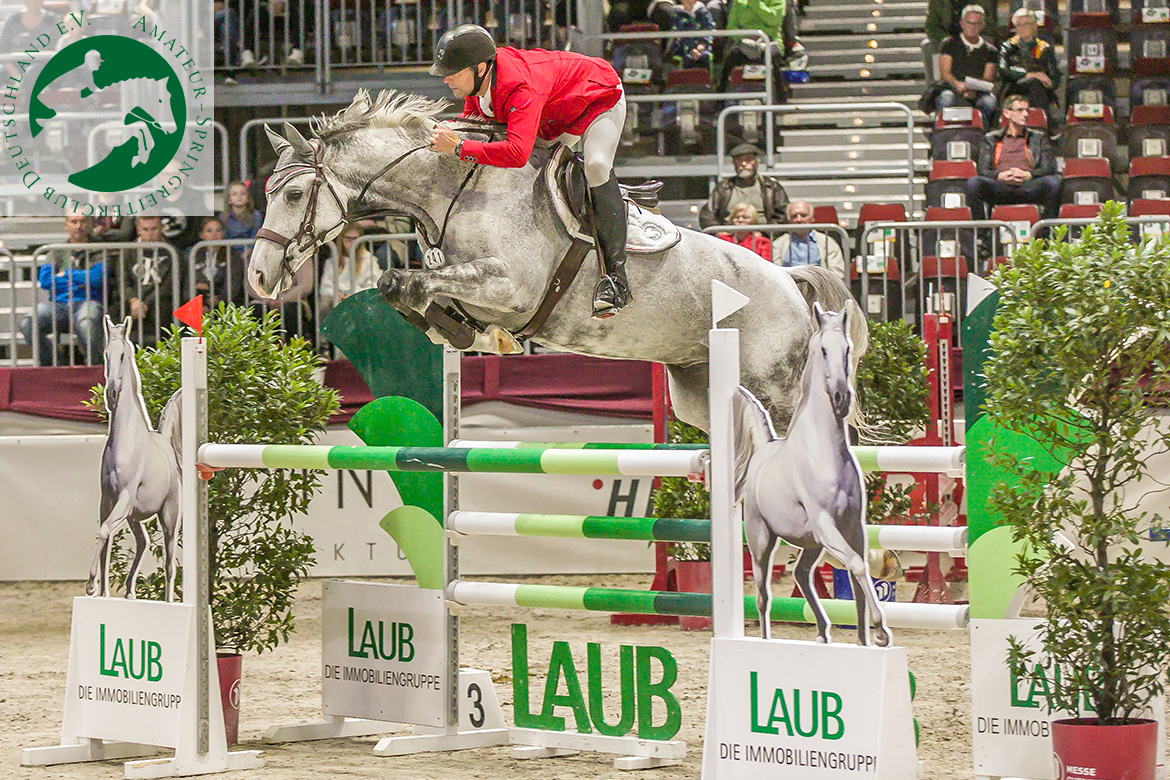 Malte Laub, President of the Amateur Show Jumping Club (ASC)
 In May 2025, Malte Laub was elected president of the Amateur Show Jumping Clubs of Germany (ASC) was chosen. Founded 30 years ago, the club has made “Sports, Friendship, Solidarity” its guiding principles. A motto that is more relevant than ever in these difficult times for equestrian sports in Germany. The skyrocketing costs, the decline in established competitions, the critical attitude toward equestrian sports among segments of the public, and the drop in membership numbers at the German equestrian federation “Pferdesport Deutschland” and the tense situation caused by the difficult economic climate make it hard for many of the 660,000 registered riders (source: Pferdesport Deutschland, membership figures for 2024) to get in the saddle without worry.
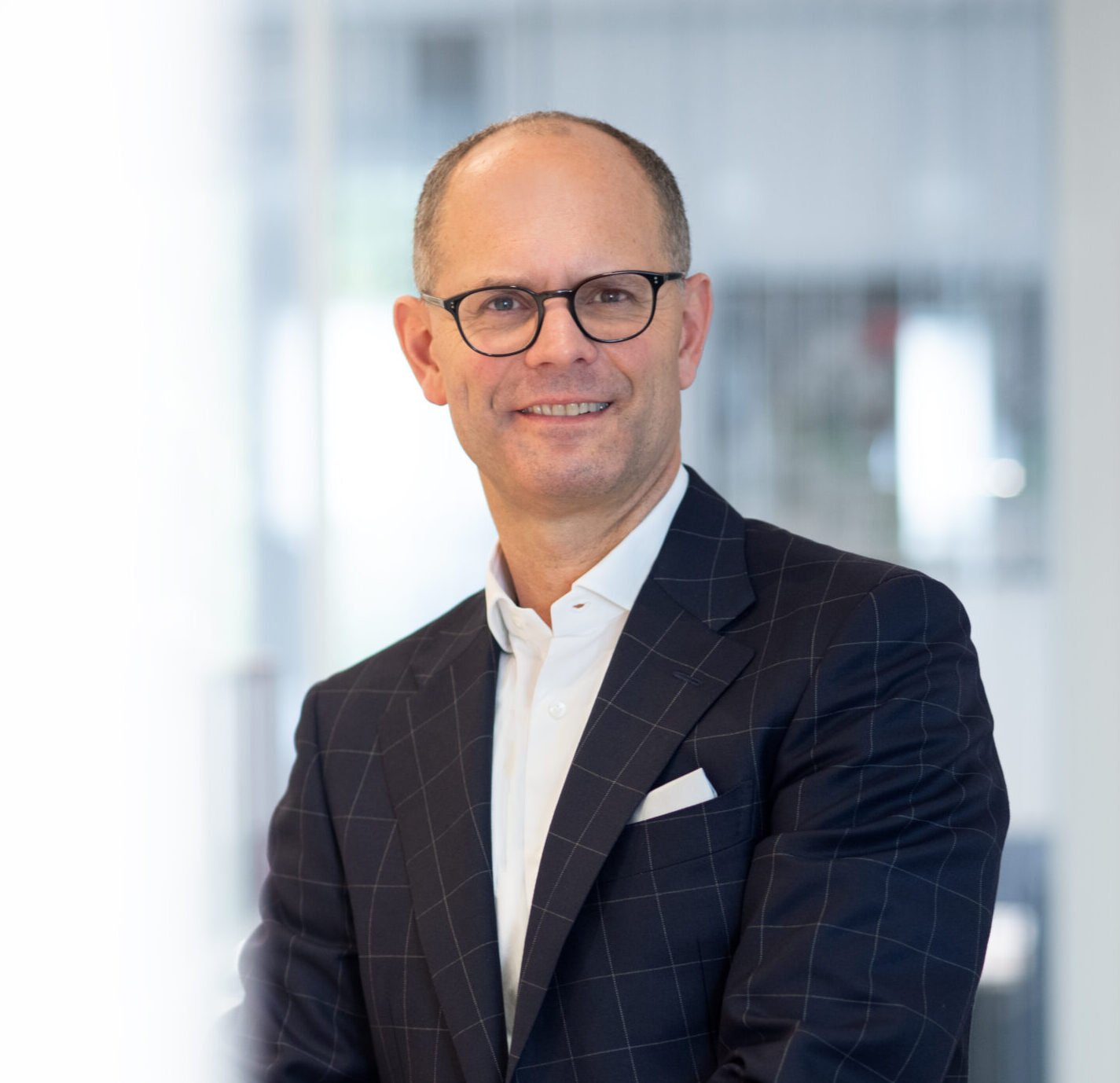
Malte Laub, President of the Amateur Riding Club (ASC)
In this interview, Malte Laub—a native of Ravensburg who has served as CEO of the Chemnitz-based Laub Real Estate Group since 1994—discusses the mood among organized amateur riders. The father of three is familiar with all aspects of equestrian sports: He has been riding since childhood, as have his wife Nicole and son Marius, who is already a two-time state champion in the Children’s division in Saxony. Malte Laub actively competed in several German Amateur Championships in show jumping. From 2021 to 2024, the Laub Real Estate Group was the title sponsor of the German Amateur Championships in show jumping and dressage.
The crisis in equestrian sports affects amateurs and professionals alike. Is there a way out?
First of all: A person with a horse is a rider. And a person without a horse is just a person. We’re part of a big family of horse lovers. What unites us: We’re involved in the most beautiful pastime in the world.
That’s our common ground. We all participate in equestrian sports. For the most part, the horses are true members of the family. That goes for all of us—amateurs and professionals alike; I wouldn’t want to draw a distinction there. The only thing we need to distinguish is the motivation behind it. For some, it’s about professional pursuits; for others, it’s a way to unwind in their free time. The goals of amateurs are naturally different and exist on a completely different level.
Without amateurs, there would be no professionals: Every professional started out as an amateur rider at some point—whether at a riding school or in a club. Professionals teach amateurs, lead clinics, and coach at competitions. Amateurs buy their horses from professionals, and vice versa. The equine industry is sustained solely by the number of amateurs: equipment, stable construction, land, feed, farriers, etc. Competitions need amateur classes to continue. This means that we must all be committed to ensuring that the symbiosis and structure that have developed over decades continue to function—for the benefit of everyone involved.
The negative sentiment that is currently in the air should certainly be taken seriously. Nevertheless, I urge us to view equestrian sports in a more positive light again and to emphasize this. As we all know, the bond we share with our equine partners is a great gift.
How do you view the current amateur tournament scene? What motivates you and your colleagues?
Each situation is unique. Some people are going through a difficult time due to their professional commitments and the current period of significant disruption in our economy. With so little time available, equestrian sports can then become an additional burden. We also have other amateur riders who have been riding for decades and pursue their hobby almost professionally. They often work closely with professionals, as the sport of equestrianism is evolving rapidly. Competing at this level means traveling to prestigious national venues or even international tournaments, which requires a great deal of dedication. Organizers offer numerous events here, and there’s a high turnout of riders. However, the trend is the opposite at smaller tournaments.
Are there riders who have had to or are having to give up their sport for financial reasons?
Rising costs in equestrian sports affect all segments of the equestrian community. Unfortunately, the current difficult economic situation is also having an impact on equestrian sports. There are plenty of riders who are currently in a difficult situation and who now have to cut back on their equestrian activities or even give them up altogether. Veterinary costs, for example, are a major issue here.
Many of your colleagues in the amateur show jumping club are business owners. That means that after a challenging day at work, spending time with their horse or horses in the evening isn’t as relaxing as it used to be in better times. Does this situation weigh on you?
Equestrian sports actually always provide a sense of balance and a positive experience for us riders. That’s why we participate in this sport. Nevertheless, the time we have available is a scarce resource. We can only participate in this sport when we are not tied up with work or family commitments. This time is dwindling, which in turn leads to stress and can ultimately mean that riders no longer pursue their sport as intensively.
How have tournament attendance patterns changed in recent years?
Members of the Amateur Show Jumping Club of Germany tend to choose enjoyable tournaments that accommodate their family commitments. The events should also reflect the spirit of recreation and meet high standards for tournament conditions. In other words, optimal conditions for the horses and riders, along with attractive activities for families, so that attending a tournament is—and remains—a family event. Only then can we, as amateurs, continue to practice this sport sustainably.
At the ASC, like-minded amateur riders don’t just come together to compete in tournaments. What sets the community apart in this club, which has been around for nearly 30 years?
At the ASC, equestrian sports aren’t the only thing that matters. We’re also committed to social engagement, fostering social connections, and forming friendships that last for years. You build lasting business relationships. All of this means that our members meet others to spend their time together in a positive way. On the drive home from events, the ultimate feeling should be that you’ve done what you love—together with your horses, family, and friends.
Through the ASC, we have set the goal of sustainably strengthening amateur equestrian sports in Germany and ensuring the long-term stability and growth of our club by welcoming like-minded horse lovers. The club wants to grow. We warmly welcome interested individuals from all professional backgrounds who contribute to raising the profile of amateur equestrian sports.
What do organized amateur athletes hope for in the future?
Overall, this is a political and social issue. Society is evolving in a way that places a heavy emphasis on leisure. This means people do things they enjoy and prioritize them over their obligations. This shift has been facilitated by society and, over many decades, by political forces. I think tournaments have evolved in exactly the same way. The events have gotten bigger and bigger. They start on Wednesday, sometimes even on Tuesday. That means tournaments that run from Tuesday through Sunday are only feasible for a typical amateur if they’re on vacation.
Equestrian sports are important, but they aren’t the only important thing in our lives. We work so we can ride. We have families that also play an integral role in our lives. It’s unrealistic to expect amateurs to travel to competitions on Tuesdays or Wednesdays. In my view, this turns the world a bit upside down. This sense of entitlement needs to be reevaluated. This affects not only our sport but also large segments of society. I’d like to get back to what’s essential and set priorities.
What can amateur riders do to support the sport of horseback riding?
EQUI PAGES is dedicating an in-depth series with background information to amateur sports in the three Olympic disciplines. In this series, we aim to shed light on developments in Germany, take a look at other countries and how they approach amateur equestrian sports, and ultimately, at a live event, address the question of how amateur riders can proactively shape the future of equestrian sports. Especially in light of current public discussions, our guiding principle is: “Equestrian Sports in Crisis—and What We Can Do AboutIt”