Shamonda-like Virus in Horses: First Cases Detected in Deceased Horses in Switzerland
New Virus, New Questions—The Shamonda-like Virus
 from Dominique Wehrmann
 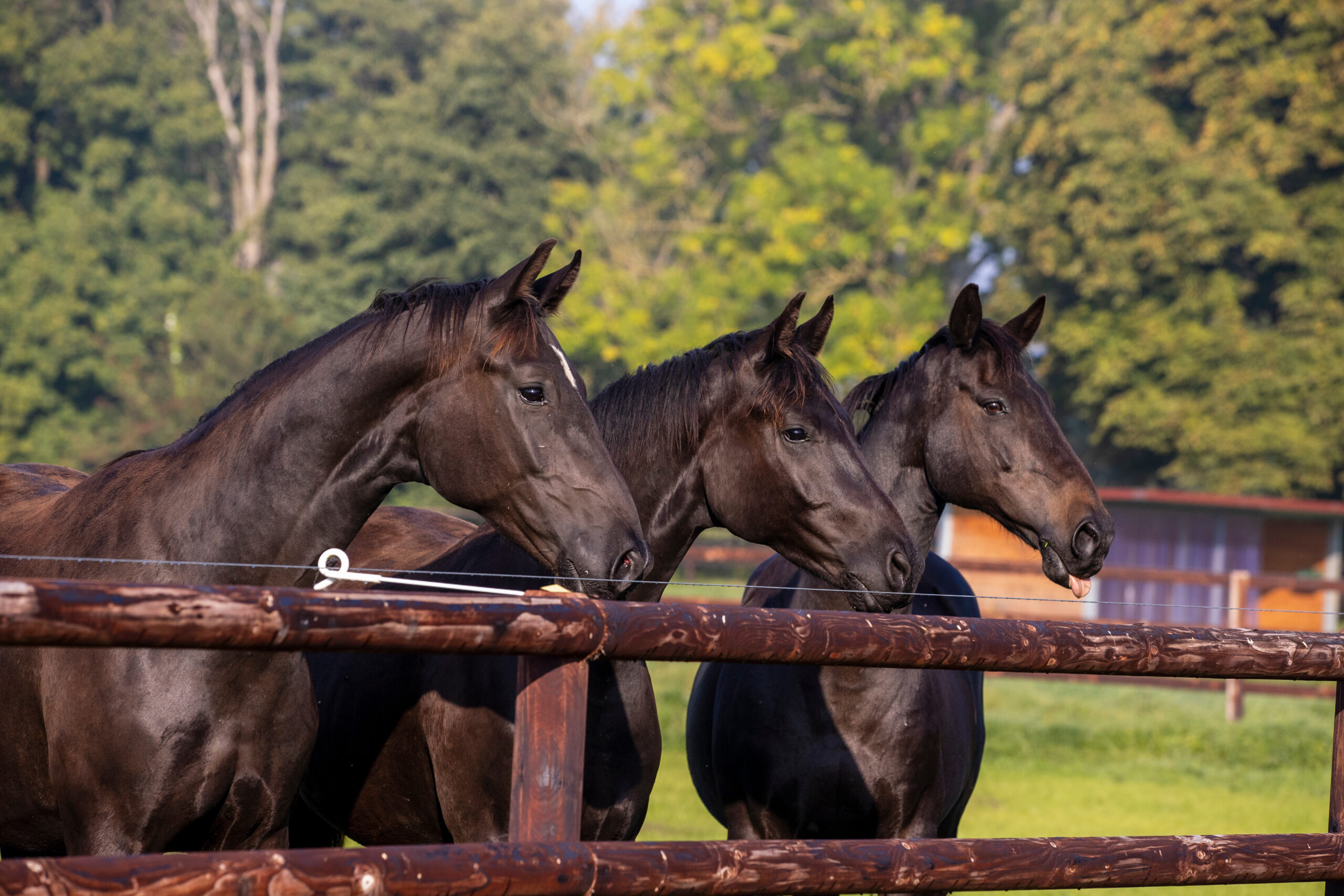 Stock photo of a horse pasture
Photo: sportfotos-lafrentz.de
Stock photo of a horse pasture
Photo: sportfotos-lafrentz.de The Shamonda virus is an orthobunyavirus from the Simbu serogroup—related to the Schmallenberg virus and the Akabane virus. Known in Africa since the 1960s, it was not considered to be widespread in Europe until 2026. In early August 2026, the Friedrich Loeffler Institute (FLI) detected a new European variant of the pathogen in cattle in southern Germany. Since then, infections have also been confirmed in Switzerland, France, and several German states. Most recently, the virus was detected on a farm in the Höxter district of North Rhine-Westphalia.
How is the virus transmitted?
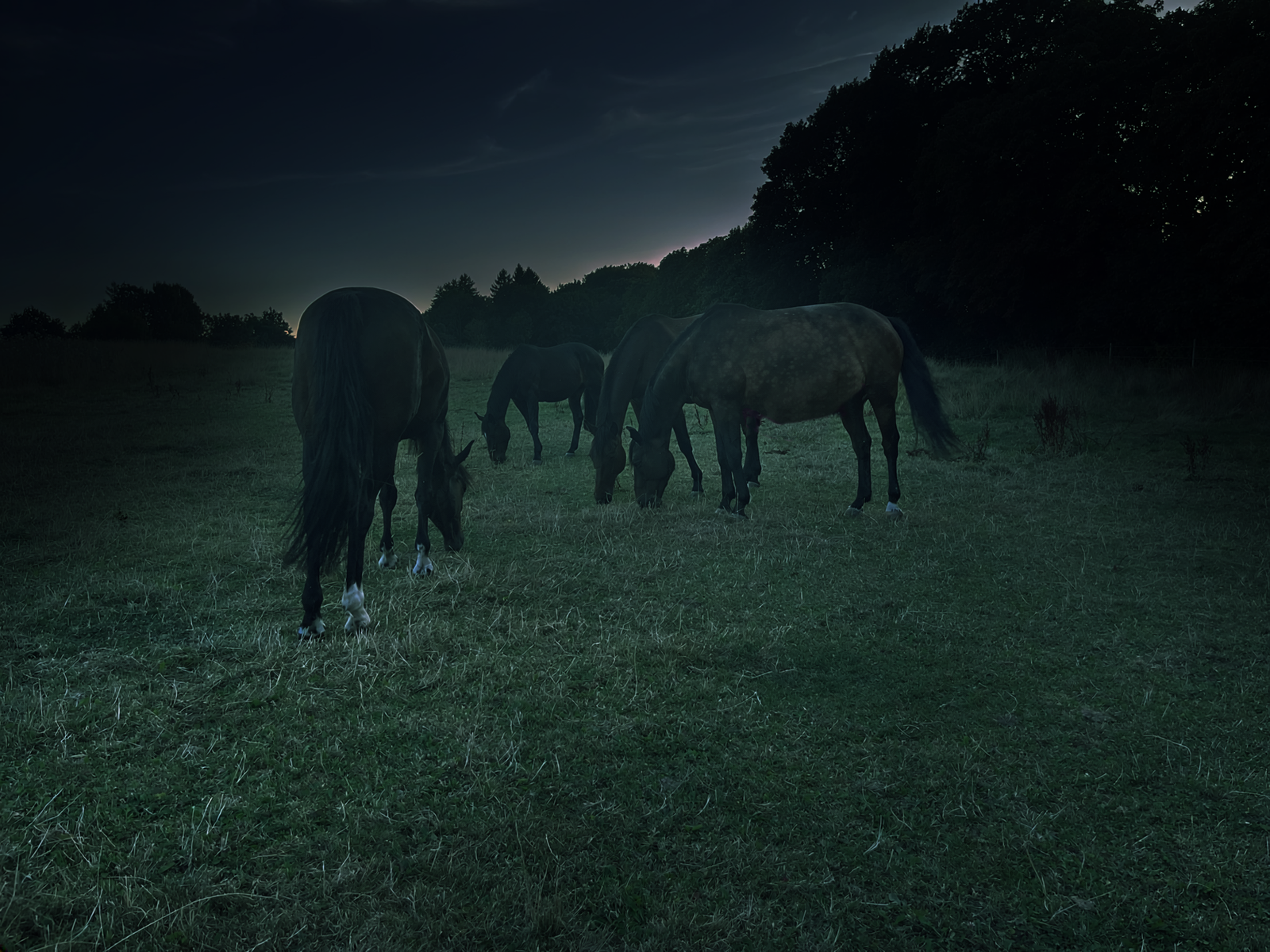
Based on current knowledge, the Shamonda virus is primarily transmitted by midges—small blood-sucking insects that also spread the Schmallenberg virus and bluetongue. Midges are active at dusk and at night, and keeping animals indoors alone is not enough to keep them away.
First Detection in Horses
Since the end of July, horses exhibiting neurological symptoms have been reported from all over Switzerland to the equine clinics of the Vetsuisse Faculty at the Universities of Bern and Zurich. Known pathogens were ruled out during diagnostic testing. In a collaborative effort between the Institute of Virology and Immunology (IVI) and the Vetsuisse Faculty, the Shamonda-like virus was ultimately detected in brain tissue from two deceased horses. The Swiss Federal Office for Food Safety and Veterinary Affairs (BLV) emphasizes that further investigations are needed to determine whether the virus is indeed the cause of the observed symptoms.
Symptoms in Horses
Affected horses often appear listless and lethargic at first. As the disease progresses, neurological deficits may develop, including marked drowsiness and an unsteady gait. It is not yet clear whether these symptoms are consistently associated with the virus or whether they represent isolated cases. To date, the virus has not been detected in a live animal.
Affected horses often appear lethargic and listless at the onset. As the disease progresses, neurological deficits may develop, characterized by marked drowsiness and an unsteady gait. It is not yet clear whether these symptoms are consistently associated with the virus or whether they represent isolated cases. To date, the virus has not been detected in a live animal.
Preventive Measures and Treatment
There is currently no vaccine. Affected horses can only be treated symptomatically. As the most important preventive measure, the FLI and BLV recommend protecting animals from black flies: by using repellents, ensuring thorough barn ventilation, and bringing horses into the barn at dusk, when black flies are particularly active. Based on current knowledge, there is no significant risk of infection for humans.
Horse owners who observe unusual neurological symptoms in their animals should seek veterinary advice. The Vetsuisse Faculty and the IVI are continuing their work to better understand the clinical picture and spread of the disease in horses.
Sources
- Friedrich Löffler Institute
- University of Bern
- Swiss Federal Office for Food Safety
- Bavarian State Office for Health
- topagrar.com
- Bavarian Farmers’ Association