FEI Updates the Equine Prohibited Substances List – New Classifications Effective January 1, 2027
New Substances, New Classifications: What’s Changing in the 2027 FEI Prohibited List
 from Dominique Wehrmann
 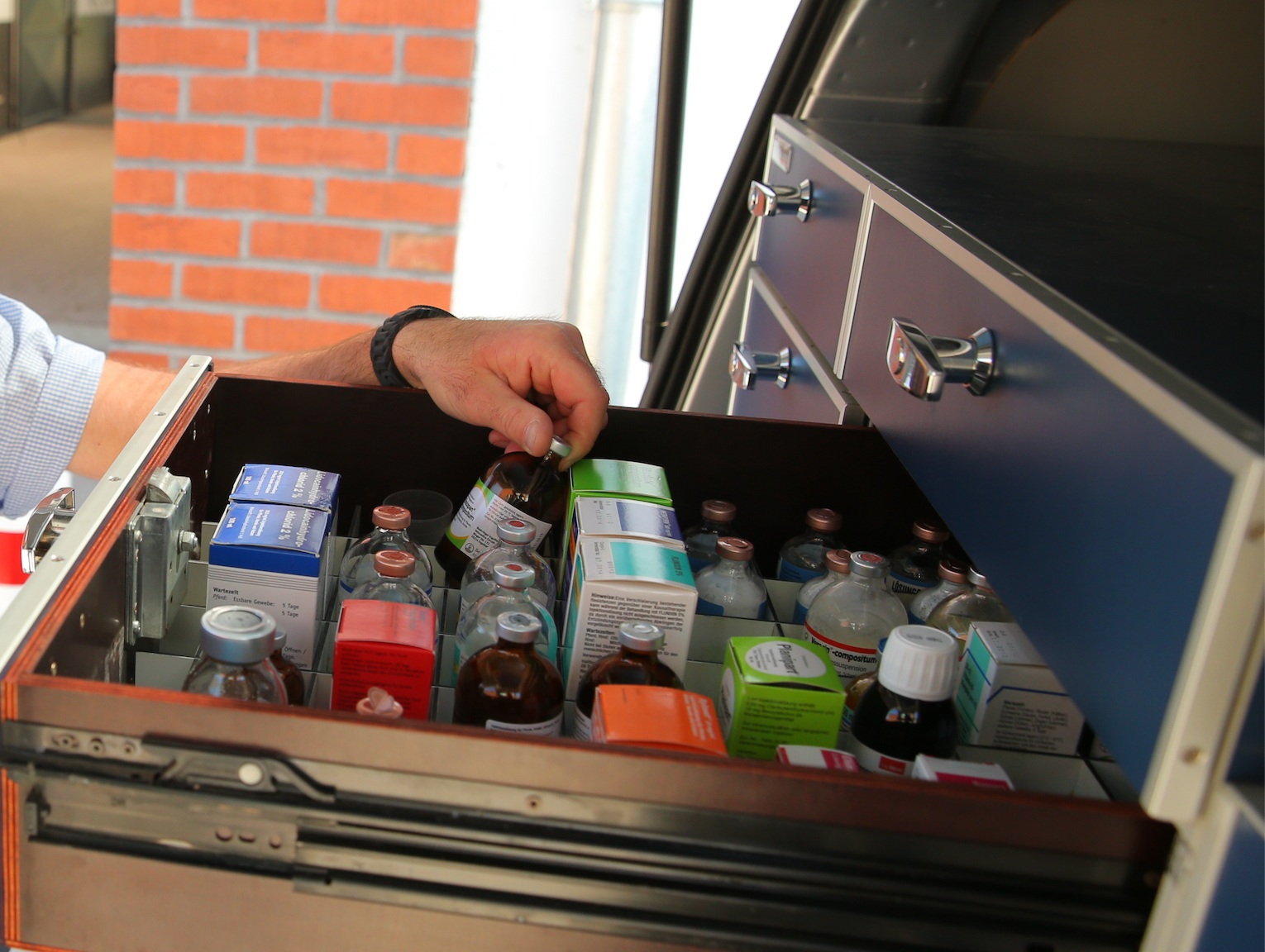 Stock photo: Courtesy of sportfotos-lafrentz.de
 The FEI publishes the Equine Prohibited Substances List annually and updates it regularly to include new active ingredients and the latest scientific findings.
The System Behind It
Banned substances are substances that, according to the FEI, have no legitimate use in the treatment of a competition horse and/or have a high potential for abuse. They must not be detectable in the horse at any time, even outside of a competition.
Controlled medications, on the other hand, are substances with recognized therapeutic benefits that are commonly used in equine medicine. They are generally permitted, but must no longer be detectable in the animal’s system at the time of competition because they can affect performance or pose a risk to animal welfare.
A third, additional designation is that of “Specified Substance.” This applies to substances that may have entered the horse’s system even without any fault on the part of the “Person Responsible” (usually the rider), for example because the substance may also occur naturally in forage plants. This status does not alter the fundamental classification but does affect the procedural approach in the case.
Prohibited Methods
In addition to substances, the FEI regulations also list prohibited methods. These include, for example, interventions to manipulate blood and blood components, gene and cell doping, as well as procedures aimed at manipulating the doping control process itself, such as tampering with or substituting sample material. Possession or distribution of a prohibited method is penalized under the FEI rules in the same way as possession of a banned substance. The amendment document now published applies exclusively to the list of substances—the list of prohibited methods remains unchanged.
New Substances on the List
Some of the changes involve active ingredients that were not previously listed at all. These range from anesthetics and analgesics to anticoagulants, antiparasitic agents, and corticosteroids. For example, among anesthetics, one active ingredient is being added as a “Controlled Medication,” while a second, structurally related substance is being classified directly as a “Banned Substance” because it is considered to have abuse potential.
New entries have also been added to the list of pain relievers (analgesics), including both new “Controlled Medications” and new “Banned Substances,” among them an active ingredient from the tramadol family. Also new in the “Banned Substances” category are an antipsychotic and two monoclonal antibodies (highly specific antibodies produced in a laboratory that specifically block a single target structure in the body) from humanand small-animal medicine, respectively, which are used in the treatment of osteoporosis and osteoarthritis and, according to the FEI, have no legitimate benefit for horses.
Reclassifications of Existing Entries
A second section concerns substances that were already listed but whose classification has changed. Several substances are being reclassified from “Banned Substances” to “Controlled Medications” because they have been identified as metabolites of already approved medications—this includes, among others, an antidepressant and two sedatives.
Conversely, the classification of ACTH (adrenocorticotropic hormone, which regulates the adrenal cortex and is known in horses to be associated with Cushing’s disease) has been tightened: The list is now specified to refer to the synthetic form of the hormone and has been reclassified from “Controlled Medication” to “Banned Substance.” In the context of anti-doping, the artificial administration of ACTH is relevant because it stimulates the body’s own release of cortisol. This can affect performance or mask pain or inflammation, similar to the direct administration of corticosteroids. For this reason, ACTH is included on the FEI list and, starting in 2027, will be more specifically defined as the synthetic form (1-24 ACTH) and reclassified from “Controlled Medication” to “Banned Substance.”
For two substances—a widely used pain reliever and an active ingredient found in certain plants—the basic category remains unchanged, but they are additionally designated as “Specified Substances.”
Editorial Updates
In addition to changes in content, the FEI also updates the spellings and trade names of numerous substances so that they can be found in the database under all common designations. In addition, there are minor corrections, such as misspelled substance names or an entry that will no longer be listed as a separate substance but rather as the trade name of an already listed active ingredient.
An overview of the specific changes is available here.
You can view the complete list here.