First CDI Flyinge a complete success and a project worth supporting
CDI Flyinge – new hope for Nordic dressage riders
 from Kim C Lundin
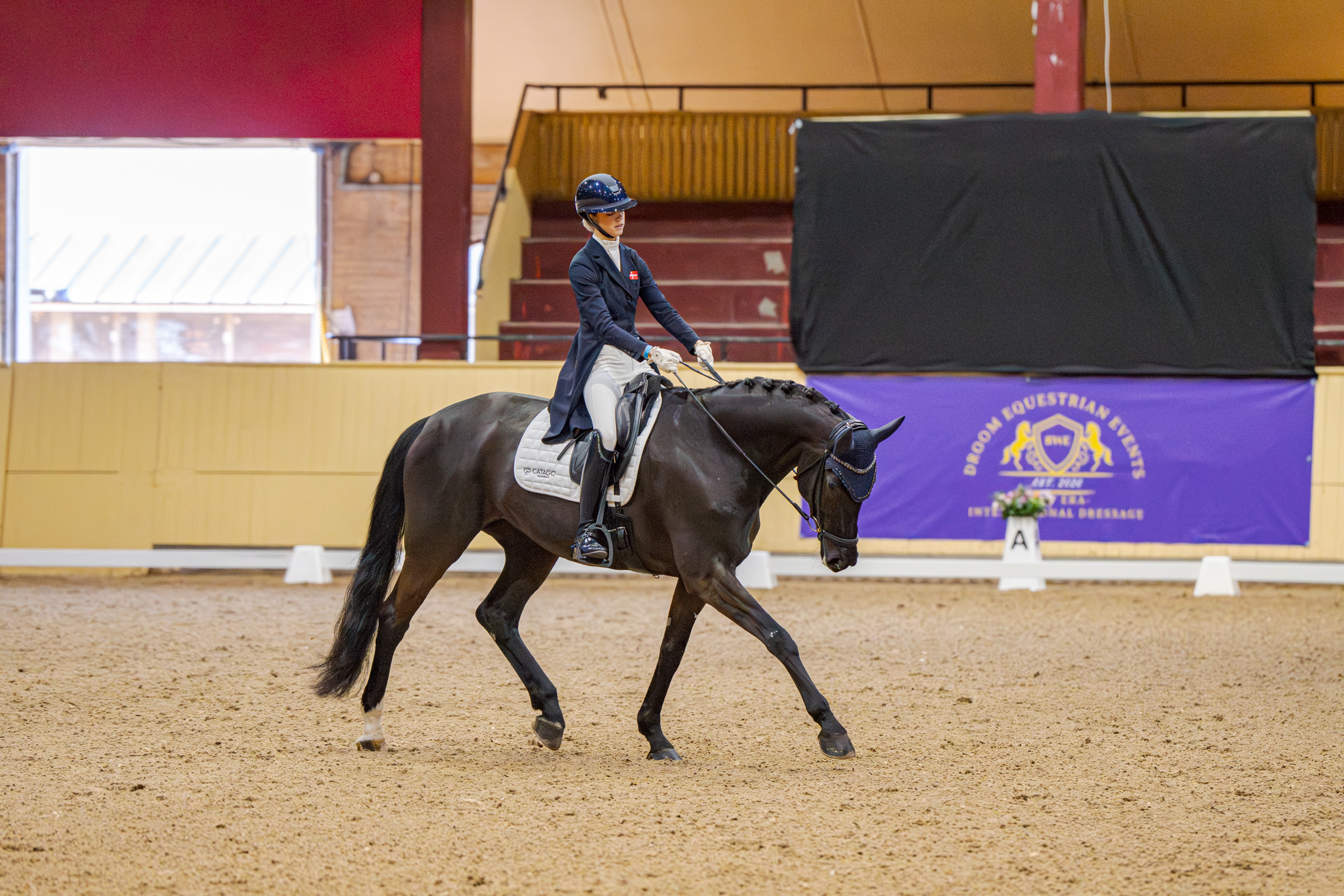
 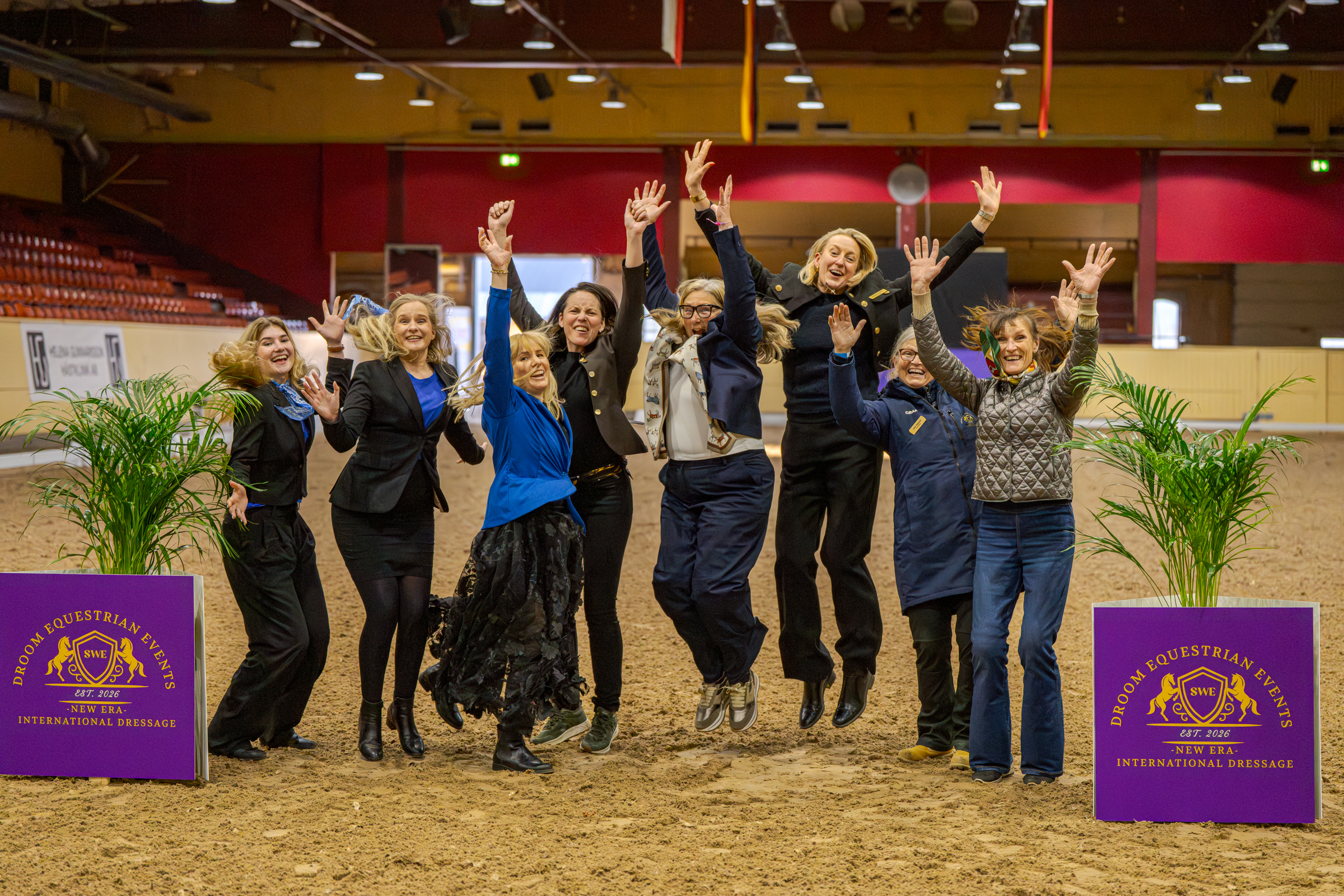 Team New Era had everything under control in Flyinge and made it clear right from the pilot project that they were here to stay. Photo: Kim C. Lundin
 In mid-March, the Flyinge National Stud hosted a CDI with an all-round program for dressage riders of all ages with horses of different training levels. For German readers or riders from the Benelux countries, it may not sound particularly surprising that there is a new international dressage meeting in Sweden. However, for northern dressage riders with international ambitions or championship plans, this is an important event.
Few tournaments, even greater distances
A look at last year’s Nordic tournament calendar shows that the number of CDI tournaments can be counted on two hands. Four meetings take place in Denmark, three in Sweden, two in Finland and one in Norway. Moreover, the Norwegian and Finnish tournaments are not annual events.
Denmark is the market leader with the Herningen indoor tournament, which takes place twice a year, and two outdoor tournaments that welcome all age groups to an international meeting.
Sweden offers three top-class tournaments: the Gothenburg Horse Show as the World Cup highlight and the Falsterbo Horse Show, an open-air tournament that thrills spectators. Stockholm in December used to host the Top 10 Final, but lost its main sponsor, whereupon the final was moved to Frankfurt and now comprises the Top 12.
Although they are great shows, neither offers a schedule that openly invites riders to participate, and they also lack the tests required for the Children’s, Junior, Young Rider and U25 classes.
To make matters worse, all the Nordic countries except Denmark are geographically difficult to reach. For example, it is around 700 kilometers from the bridge over the Baltic Sea in Malmö to Stockholm, and you haven’t even crossed half of Sweden at this point.
The same applies to Norway and Finland; the journey may require a ferry crossing.
About 15 years ago, an annual tournament was held in Flyinge. At the last event in 2008, a young black stallion made a lasting impression in the national classes of the Small Tour. On Sunday, Totilas won the Intermediaire I with 75.95 percent, and to this day I am convinced that everyone in the arena sensed that something was about to change. Perhaps in the coming years a new show will produce an up-and-coming star or an exceptional four-legged talent.
There is a reason why the successful Swedish and Finnish riders are based in Germany: The amount of travel involved in tournament riding makes it almost impossible to compete. For comparison: Germany had 20 CDI tournaments last year, the Netherlands seven and Belgium four. In total, there were eleven events offering the strong combination of CDICh, CDIJ, CDIYR, CDIU25, CDI1* and CDI3*. So to establish such a tournament annually in Sweden is a big deal. How did it come about and how did the event go?
New team takes the helm
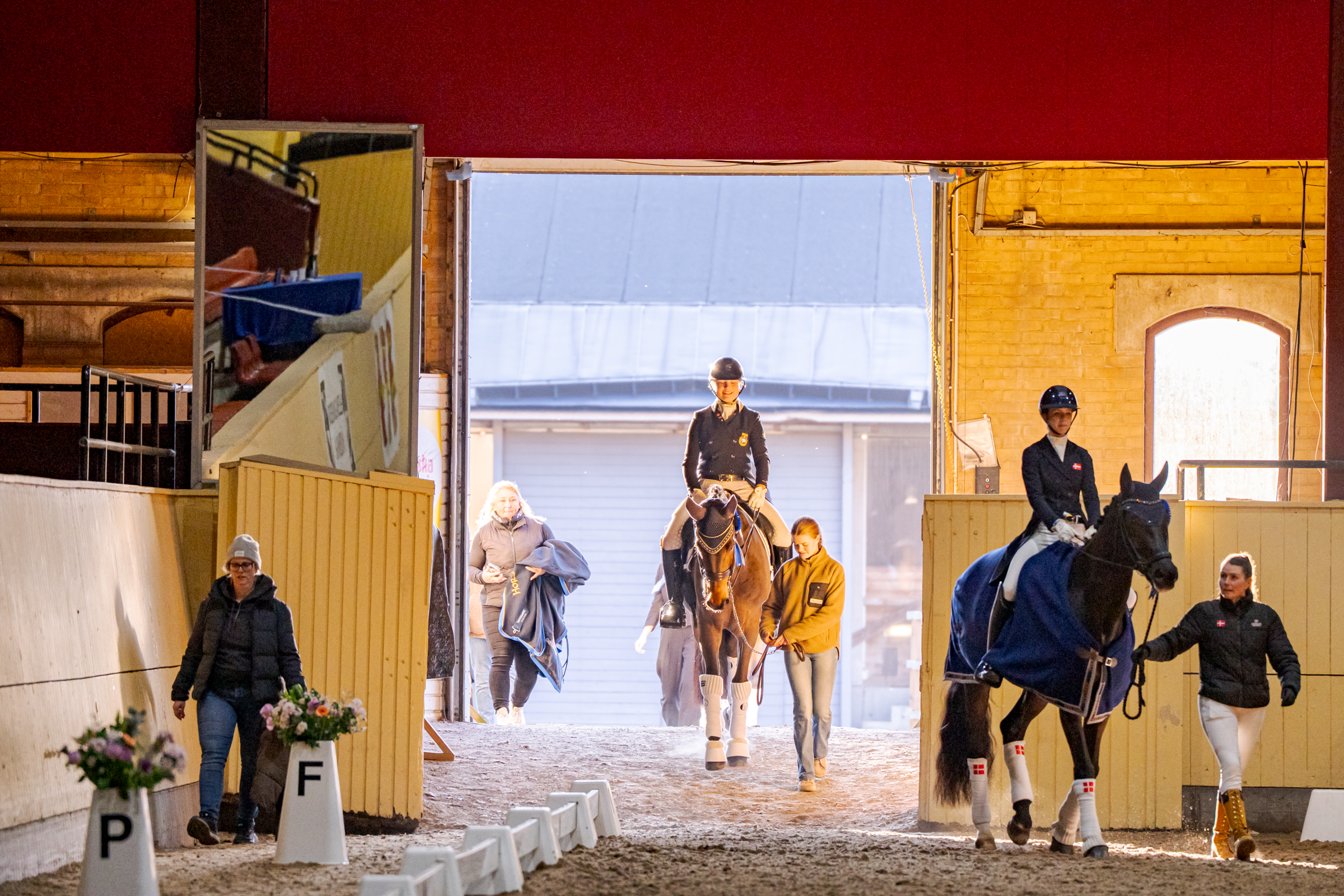
In mid-March, the “New Era International Dressage Competition – Spring Edition” celebrated its premiere in Flyinge, a true equestrian center of the Nordic countries. The idea was born last summer and now a large Swedish team was ready to face the competition from ten other nations. In the younger categories, they faced strong Nordic competition.
It’s fantastic that this event is finally happening, says Stefan Jansson, captain of the Swedish national team. “Sweden has been lacking a tournament where we could invite more riders.”
At the Gothenburg Horse Show, the Swedish International Horse Show and the Falsterbo Horse Show, the Swedish national team and its world-class riders have had the opportunity to compete internationally in their own country for many years. At the new competition in Flyinge, the young Nordic riders and the pairs below the world’s best were now able to prove themselves against international competition.
“There are many advantages. The riders were able to present themselves to international judges, compete against other riders than at national level and complete the entire international part including the vet check and stabling. And we have a large group of senior riders who can recommend themselves for international qualifiers to later compete in teams in the Nations Cup,” says Sweden’s team manager Stefan Jansson, who was on site for the whole weekend.
The riders came from eleven nations, including the Nordic countries of Sweden, Norway, Finland and Denmark. Many established Danish and international riders, who also work as trainers, brought their protégés with them. CDI3*, CDI1* and youth competitions in the age groups Children to U25 were on the program when the competitions began on Friday, March 20. The first horses arrived in Flyinge in southern Sweden on Wednesday.
The driving force
The idea for a new international dressage competition in Sweden was born in the summer of 2025. Pauline Larsson, former dressage rider at Grand Prix level, breeder and previously show director for dressage at the Falsterbo Horse Show, is the initiator, driving force and show director through the company Droom Equestrian Event.
“Riders came up to me and said that more was needed in Sweden, and then everything happened very quickly. That was less than a year ago, so we went full throttle right from the start. I’ve put together a team that has worked together before and whose strengths and weaknesses we know. Everyone pitches in and takes on any task where necessary,” Pauline Larsson told the Swedish Association.
“The number of starts and participating nations shows that there was a real need. The response has been incredibly good and we are aiming for a regular event. This is not only very beneficial for Swedish dressage riders and the Swedish dressage sport, but it is also nice that we can contribute to the international show calendar. We want to compete abroad, so it’s great that we can also offer competitions at this level in Sweden,” Stefan Jansson told the Swedish Dressage Federation.
Commendable initiatives
The ambition of the organizing team was clearly noticeable and transformed Flyinge into an event with international flair. The only thing missing was spectators, although admission was free and seating was offered. One factor that is probably particularly important in Sweden kept people away: The sun showed up every day throughout the weekend. The sun- and light-hungry pale Swedes did not venture into the halls when spring made itself felt for the first time this year.
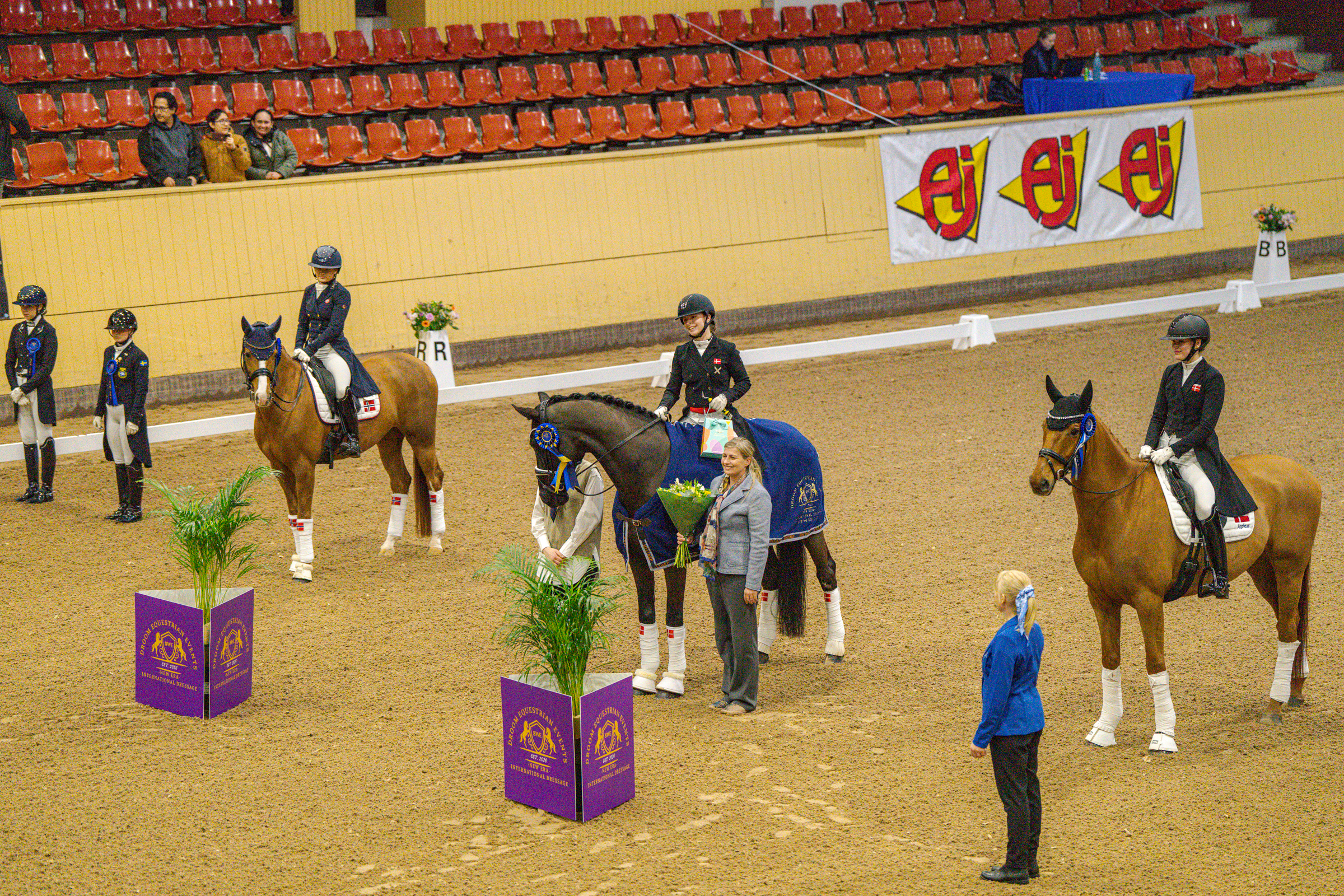
Nevertheless, the enthusiasm among the small circle of attendees did not wane. There were regular prize-giving ceremonies and rounds of honour, and the organizer also awarded prizes to the best Swedish warmblood horses in each category. After years of Swedish senior riders competing on Hanoverians, KWPN horses, Oldenburgs and similar breeds, it seemed like a sign of innovation to see the younger riders achieving good results with SWB-registered horses.
The “True Horsemanship Award” was presented to Dutch rider Rianne Ashley Ubels with her horse Living Legend. The criteria for the award were based on values that go beyond scores and podiums: Respect for the horse, elegance in the arena and friendliness in every interaction.
Some may argue that it’s all about human decency, and that’s true. However, in a world where interactions in and around the competitive arena have become quite poisoned in some respects, particularly due to the influence of social media, it is important to highlight the bright spots that remain. The rationale was:
“Throughout the weekend, stewards, judges and the organizing team shared their impressions – and one group in particular stood out for their integrity, empathy and professionalism. One athlete who demonstrated that true excellence is not only measured by performance, but also by how we treat our horses and the people around us.”
And what about the dressage tests?
The team of judges came from all over the Baltic region and was led by jury president Mats Eriksson (SWE). Nicole Nockemann (GER), Eva-Maria Vint-Warmington (EST) and Sven Günter Rothenberger (NED) came from the continent, while Christine Prip (DEN), Paula Nysten (FIN) and the two Swedish judges Pia Fälth and Tundi Andersson came from the Nordic countries.
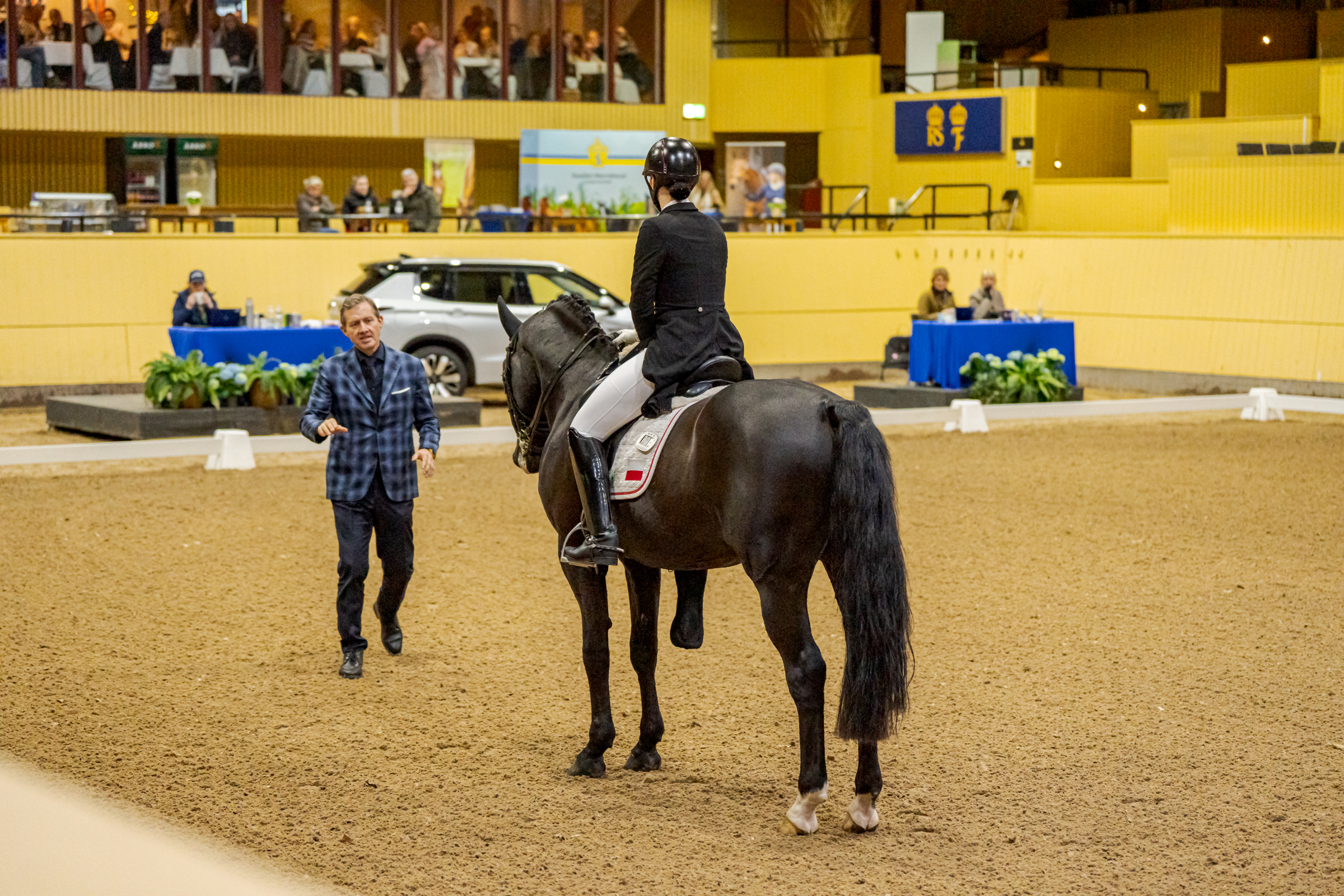
On Saturday evening, Sven Günter Rothenberger was judging and had to intervene when Polish rider Susanne Krohn and her stallion Titolas, who is the spitting image of his sire, had a broken girth in the middle of the ride. Krohn sat impressively calmly and didn’t notice anything, and neither did Titolas. In the middle of a travers, the girth gave way and the audience and judge Rothenberger had to persuade Krohn to stop and dismount.
CDI3* – New names at the top
Sweden’s Rebecca Mauléon won both the Freestyle and Grand Prix with Johnnie Walker BCN (KWPN gelding, born 2014 by Johnson TN – Dayano). Together they achieved two personal bests: over 70% for the first time in the Grand Prix and 75.495% in the Freestyle.
Third place went to another Swede, Martin Ågevall, with the SWB mare Romeona (b. 2011 by Blue Hors Don Romantic – Briar). These were only her fifth and sixth starts at this level. Romeona once won the Swedish Foal Championships and has been a star ever since. Her successes as a young horse, including winning the Breeders Trophy and a start at the WBCYH in Ermelo as a seven-year-old, made her breeder Ann-Sofie Lilja immensely proud. Martin Ågevall brought her to this level and together they have made it all the way to international sport.
Danish rider Katrine Kraglund secured second place on both days with the talented Miss Holsteins Marikka (DWB mare, born 2014 by Johnson TN – Florencio 2), thus ensuring two Johnson offspring on the podium.
CDI1* – Kavira leaves nothing to be desired
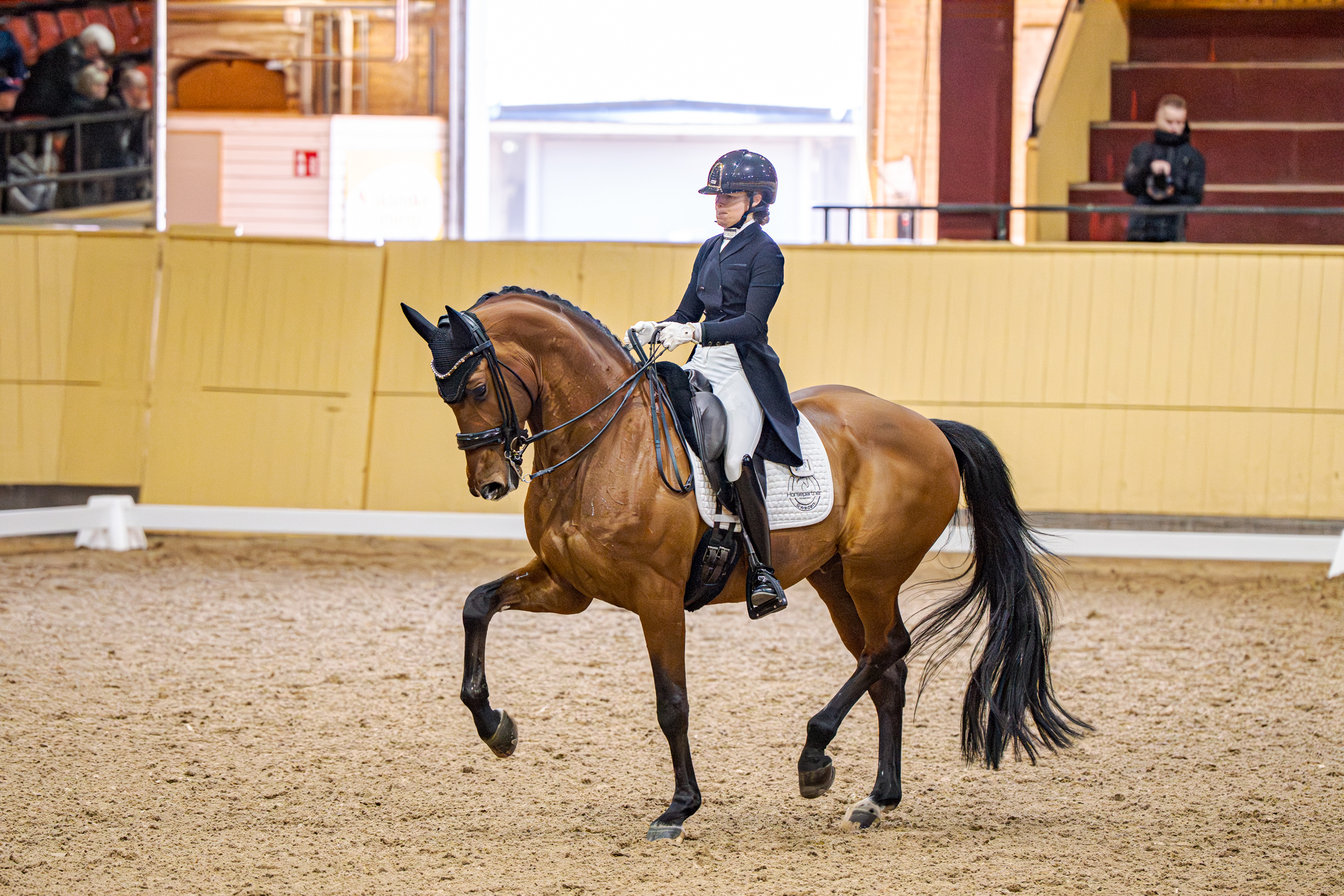
The small tour comprised two classes, a Prix St. Georges and an Intermediaire I. In both classes, the beautiful, long-legged Dutch mare Kavira (KWPN mare, born 2015 by Franklin – Sorento), ridden by Sofie Lexner, led by a clear margin. If this mare ever competes in the Grand Prix class, it will be exciting to see how she handles piaffe and passage, as she shows very fluid lateral movements and masters the canter pirouettes almost perfectly.
The Danish team rider at the European Championships Crozet, Nadja Aaboe Sloth, presented two promising horses, Bonita Gersdorf and Satchmo, who achieved placings in all classes.
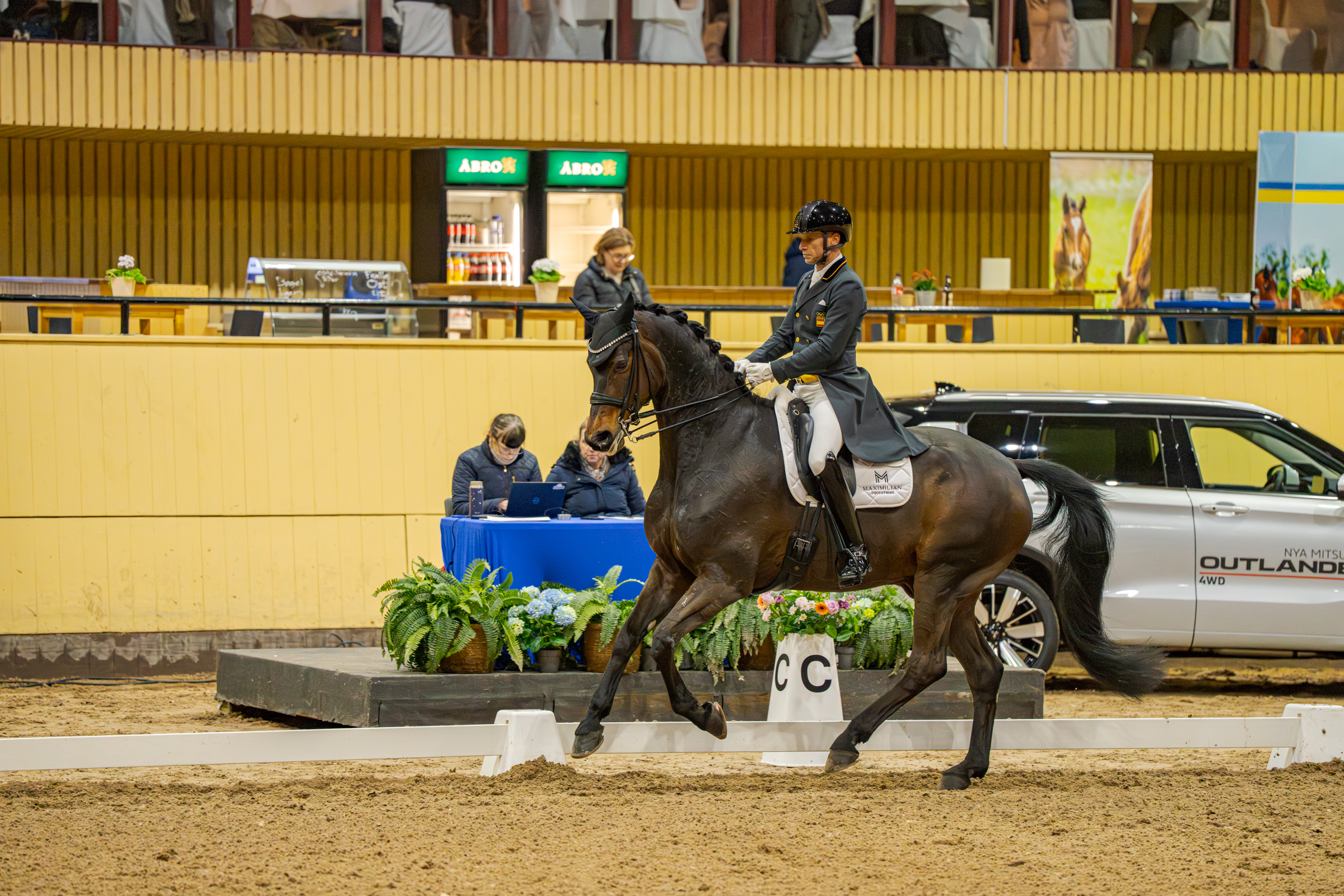
The greatest talent is possibly another long-legged gelding, the only nine-year-old Morricone offspring Manolo FRH, who reacts very sensitively to his surroundings. He showed an impressive second start in the Intermediaire I, clearly calmer and with fluid, cadenced movements. He was ridden by Borja Carracosa, who competes for Spain but lives in Germany.
U25 – a horse with future potential
Only local horses competed in this category. Linnéa Holmgren rode two horses: one that she bred herself and one that she trained completely by herself from junior class to Grand Prix, supported by her mother Malin Holmgren.
The home-bred Buskhagas Tsjai (SWB gelding, born 2016 by Tailormade Temptation – Sandro Hit) is very promising. The mother-daughter team have built him up carefully and only rarely let him take part in competitions. They won the U25 Grand Prix with almost 70 percent.
With her horse QC Sir Dennis, Linnéa has already taken part in the European Junior and Young Rider Championships and celebrated a hat-trick at the Nordic-Baltic Championships in Ypäjä, Finland, last year.
CDIJ/CDIYR – Danish dynamite power all along the line
Two riders managed a hat-trick in the junior and young rider categories. The winner across the board in the young riders was Anna Have Larsen-Ledet with her obedient Franklin offspring Finnegan-Vitz.
Ida Bøllingtoft Asmussen was equally successful in the junior category with her black mare Gozzip, an eleven-year-old daughter by Sezuan – De Noir.
Two Swedish riders were able to break the Danish and Norwegian dominance on the final day and showed strong freestyle programs. The YR combination Juni Skobe Rosén on Darthula VH, bred by Sweden’s most successful dressage breed Västra Hoby Stuteri, took second place after steadily improving. She also competed with her second horse in the Small Tour at not yet 18 years of age – an impressive performance.
Ebba Wallin came second in the junior class in her last year in this age group with the SWB gelding Fascinate KR and got on better and better with the eight-year-old For Emotion offspring.
Indeed – hope for the Swedish dressage sport!
The aim is to host the event twice a year, with a national meeting planned for later in May, all within the grounds of Flyinge. The former stallion station is as similar to a German state stud as it gets outside the German borders. Although the stallions are no longer there – the last ones were stationed here by Paul Schockemöhle – the equestrian center continues to exist as an equestrian training facility.
There is a program for secondary schools as well as higher education and farriery training. The events bring everything closer together.
The indoor riding arena has seating for 2000 and is the largest permanent riding facility in Sweden. In the open-air season, you can take part in competitions between the 17th century buildings under the chestnut trees – after all, the place is called “Kastanienhof”.
Support desirable
Despite a lot of positive feedback, it was noticeable that only one pair from the national team’s catchment area competed in Flyinge: Rebecca Mauléon with Johnny Walker BCN from the B squad. The other squad riders are most likely preparing for other competitions. Tinne Vilhelmson Silfvén is in Wellington, Patrik Kittel is traveling to Fort Worth and Maria von Essen is preparing for the outdoor season. Sofie Lexner was on site, but did not take part with her mare Inoraline W, the European Championship mare by Crozet.
Hopefully the best Nordic riders will come to Flyinge to support this good initiative for dressage once the show is established in the calendar.