Mites and mauke in horses – when parasites irritate the skin
 from Kerstin Wackermann
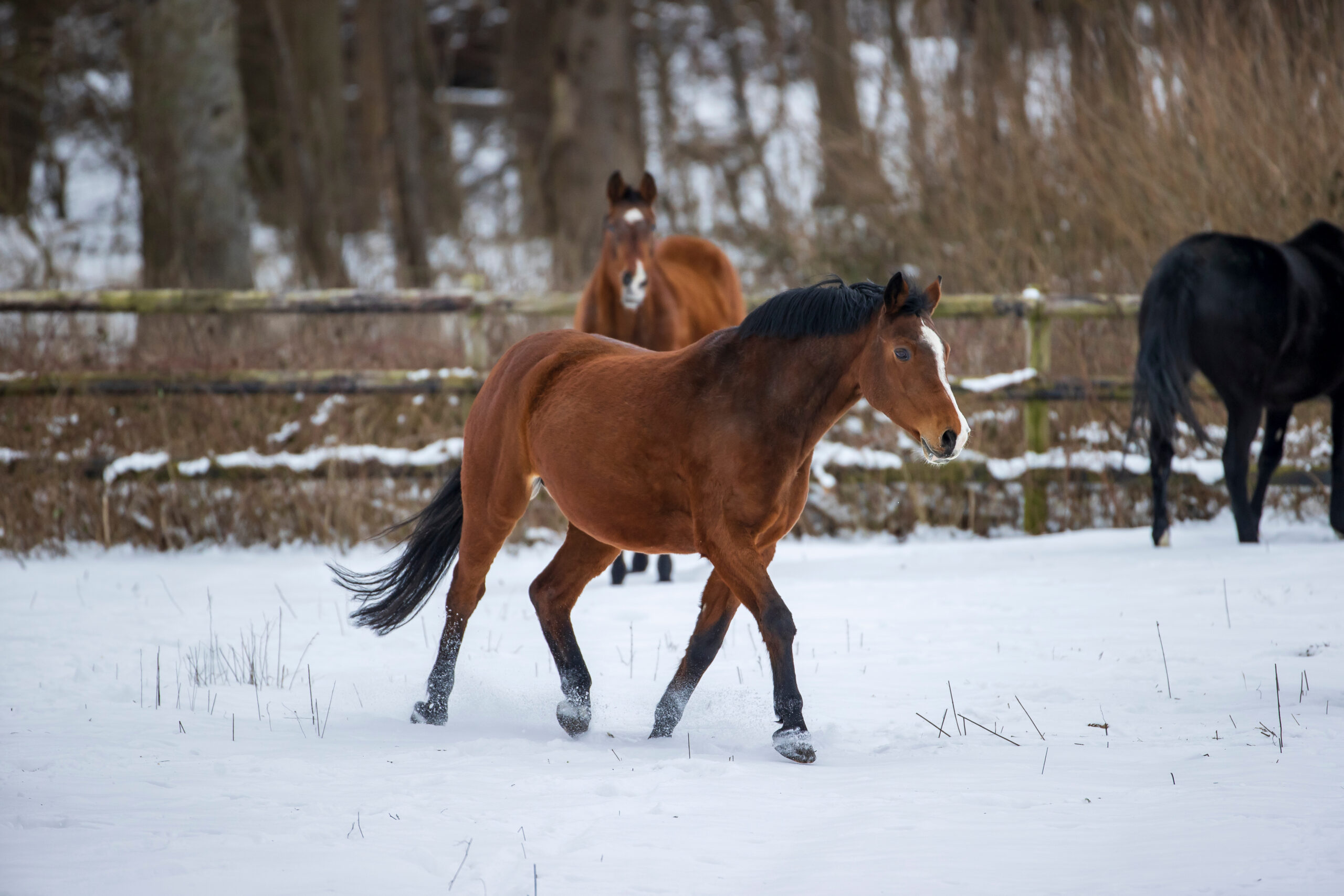
  Cold-blooded horses and other horses with thick hangings on the fetlocks are particularly at risk of developing moulting caused by mites. Photo: Adobe Stock
 Breeds with thick coats such as Tinkers, Friesians or cold-blooded horses are particularly at risk because moisture remains under the coat for longer. In practice, it has been shown that affected horses develop recurring flare-ups, especially in damp winter months.
Mites are rarely the sole cause of scabies, but act as an amplifier. The constant rubbing causes the skin to lose its protective function, resulting in a vicious circle of irritation, itching and secondary bacterial colonization. Studies indicate that the consistent control of mite infestation is a central component of mastitis treatment(Kaiser-Thom et al., 2021).
Diagnosis: Recognizing mite infestation and accompanying infections
Detection is usually uncomplicated: A skin scraping from the fetlock region is examined microscopically; the roundish mite bodies with short, grasping extremities are characteristic. However, the diagnosis does not end with the detection of mites. Veterinarians also check whether bacteria or fungi are involved, as treatment depends on the findings.
In individual cases, secondary infections with Corynebacterium species have been described, which prolong the course or promote complications(Grönthal et al., 2024). Painful, purulent or heavily weeping lesions often require targeted antibiotic or anti-inflammatory therapy. Such cases belong in the hands of a veterinarian.
What really helps with mites and mumps?
Effective mite moulting treatment addresses three levels simultaneously: environment, skin condition and parasite control.
Optimize environment and hygiene
Moisture is the most important risk factor: keep bedding dry, remove wet areas daily, avoid muddy areas. Regularly wash or disinfect grooming equipment, bandages and blankets; if these are shared by several horses, this encourages the spread of mites. In many stables it can be observed that whole groups of horses rub against each other before the infestation is even recognized.
Gently cleanse the skin
Crusts are soaked, never forcibly removed. Mild, antiseptic shampoos – for example with chlorhexidine – reduce the germ pressure without further irritating the skin. Then dry the pastern region completely; residual moisture is a common cause of relapses.
Adapt care depending on the stage
Thinly applied, zinc-containing or slightly drying lotions are suitable for weeping moles. Dry, cracked skin benefits from moisturizing products (e.g. with panthenol or aloe vera) without a thick greasy film. In the case of pronounced itching or inflammation, a cream containing cortisone may be indicated in the short term – only in the case of non-infectious inflammation and in accordance with veterinary instructions.
Targeted mite control
Active substances against mites such as ivermectin or permethrin can – under certain conditions – be used. Ask your vet! Repeat applications after 10 to 14 days are necessary in order to catch any re-hatched stages. All contact horses should be treated; otherwise mite reservoirs will remain in the herd. Note: Permethrin is generally only approved for horses for environmental control and should not be applied directly to the skin.
Correctly treat secondary infections
In the case of bacterial involvement, topical (applied to the skin) or systemic (taken orally) antibiotics are only useful after resistance testing. Untargeted broad-spectrum applications promote resistance and disturb the balance of the skin flora. Purulent, painful courses require close veterinary monitoring.
Relapse prevention and long-term skin care
Once the acute inflammation has subsided, care is crucial for lasting success. A balanced diet with zinc, biotin and omega-3 fatty acids supports the regeneration of the skin. Regular exercise improves blood circulation; in practice, this has been shown to stabilize the fetlock skin more quickly. In the case of heavy hangings, careful shortening can make care easier and keep the region drier without losing the natural protection. Recurring cases benefit from seasonal checks – especially before winter – to detect mites at an early stage.