Supporting horses during the coat change: Feeding, care, keeping - the most important tips
Feeding and care during the coat change
 from Kerstin Wackermann
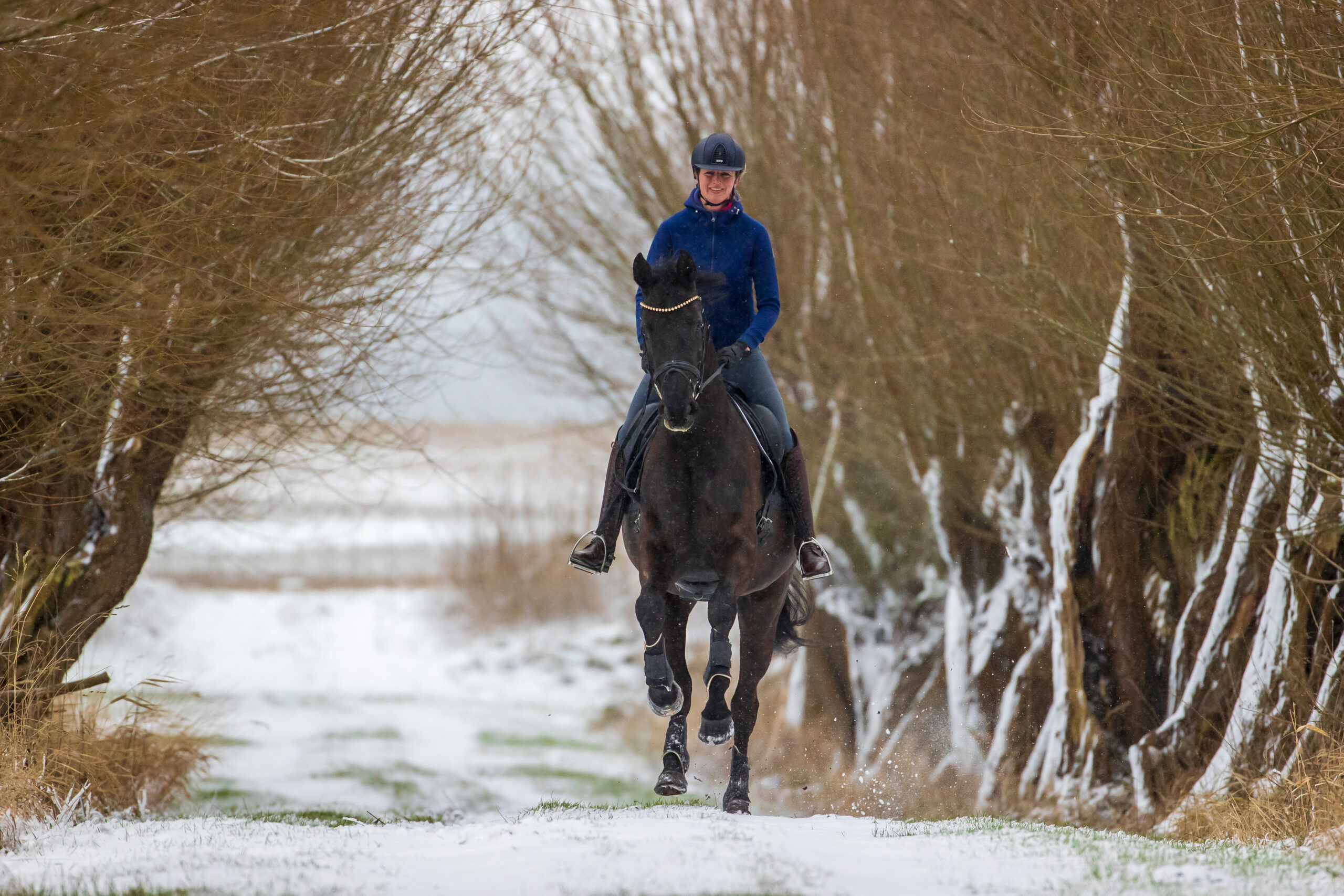
 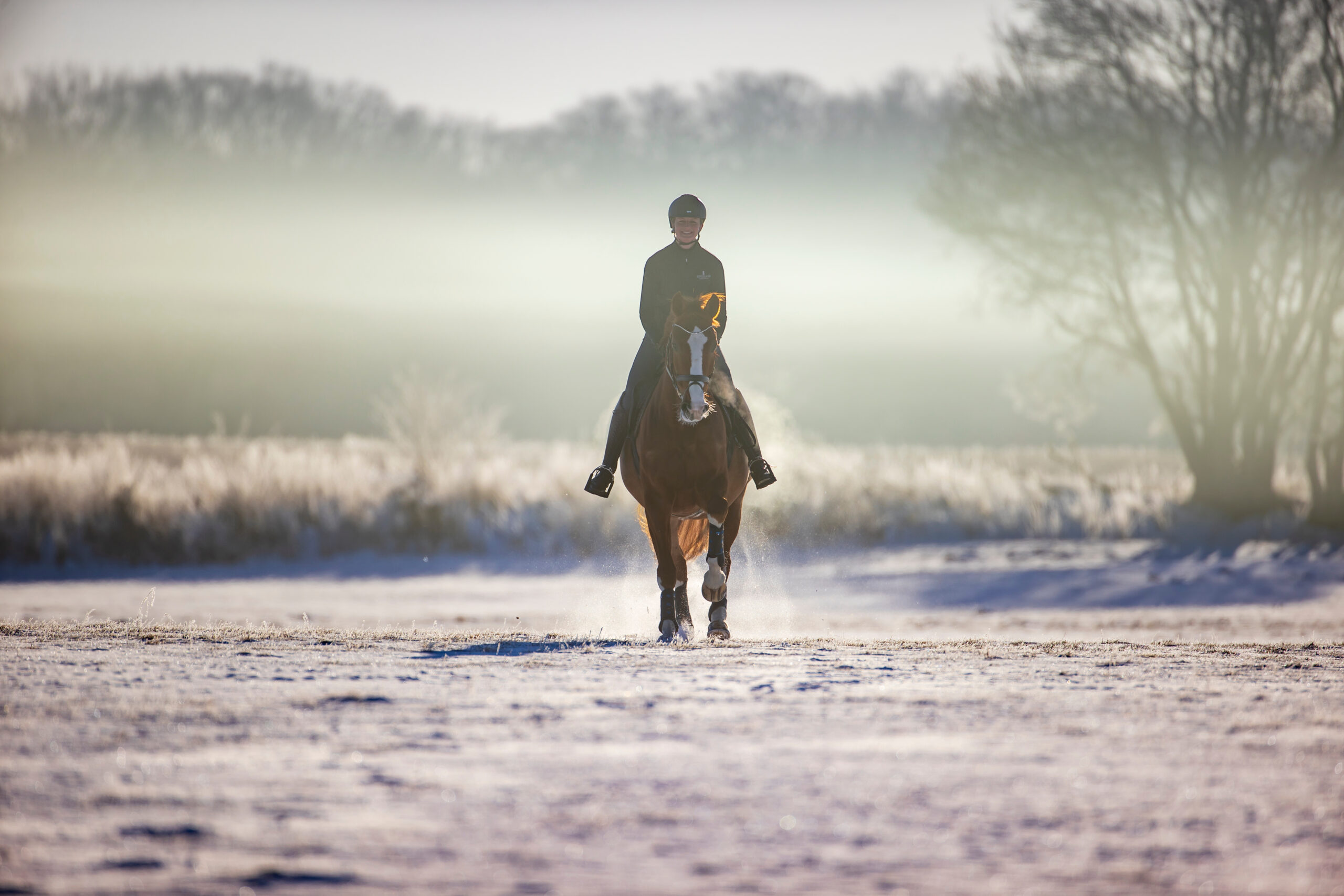 Galloping through the snow (don't forget your hoof grip when wearing shoes!) is fun and healthy. Photo: Sportfotos-lafrentz.de
 Many owners ask themselves how they can support their horse during the change of coat, because the change of coat demands a lot from the body: the body produces millions of new hairs, the hair follicles are working at full speed and the metabolism has to work much harder. Some horses benefit from adapted feeding, management and skin care during this time.
Supporting horses during coat changes through feeding
To build up the new coat, the organism needs additional energy as well as high-quality protein and certain trace elements. During the shedding period, the need for essential amino acids, zinc and copper increases in particular.
Hair consists mainly of keratin. Zinc is involved in the formation of stable keratin structures and in the regeneration of the skin. Copper plays a central role in pigment formation and in the stabilization of connective tissue.
Many horses cover this additional requirement during the coat change without any problems. In older animals or horses with metabolic disorders, however, the process can be slower; they lose substance more easily or develop a dull, lackluster coat.
Roughage as a basis
A basic ration that meets the horse’s needs is crucial for a smooth coat change. However, hay varies greatly in protein and mineral content, especially in the trace elements zinc and copper. Studies on hay quality show that late cuts provide significantly less protein and energy – a common reason for dull coats and weight loss in winter. Trace element levels can also vary depending on location, soil and fertilization. A hay analysis will reliably clarify whether the ration contains sufficient nutrients. For older horses or animals with increased requirements, softer, leafy hay from the second cut can be useful.
Blood values only provide limited information as to whether there is a deficiency because the body stores zinc and copper primarily in the liver and a deficiency often only becomes visible in the blood at a late stage. If several horses in the same stable show a dull coat at the same time, this often indicates gaps in the mineral supply via the basic feed.
Hair analyses provide a snapshot of the trace elements stored in the hair matrix, but are not suitable for reliably deriving the current mineral status. The method is susceptible to environmental influences and shows long-term trends rather than precise supply values, as studies have shown.
When to support horses during the coat change
- if the ration is objectively risky (hay or ration analysis)
- Low-protein late cut hay
- Hay with low trace element content
- Older stocks
- Poor feed conversion in fall/winter
- if the horse shows typical signs:
- dull coat
- Hold hair in place
- Weight loss
- Dry or flaky skin
- Mauke
- Tiredness, reduced performance
- sensitive airways
- Senior citizens no longer absorb enough hay
Targeted feeding of zinc and copper during the coat change
The need for trace elements increases weeks before the first hair visibly falls out. It makes sense to supplement if horses visibly shed in late summer or spring, their coat looks dull, the change of coat was slow in previous years or skin problems occur, for example moulting.
It is important to start early: around six to eight weeks before the visible change of coat – from August for the winter coat and from January for the summer coat. The optimum supply depends on the total ration. A complete mineral feed that covers zinc and copper as required is often a reliable basis. Several products in parallel or high-dose “coat change cures” in addition to mineral feed can lead to imbalances.
Too much zinc damages the intestinal flora
Although zinc supports the coat, skin and immune system, excessive doses change the intestinal flora. A study shows that the diversity of intestinal bacteria decreases with increasing amounts of zinc. As horses derive a large part of their energy from microbial fermentation in the large intestine, they are dependent on a stable, efficient microbiome. The following therefore applies: only supplement zinc in a targeted and needs-oriented manner!
Omega-3 fatty acids to support the skin during the coat change
In one study, horses that were given vegetable oils such as linseed or camelina oil showed less skin dryness, less dandruff and a more even, shinier coat. The fatty acids from the feed apparently strengthened the skin barrier. In another clinical study, skin lesions in horses with Culicoides problems (Culicoides = midges, the trigger of sweet itch in allergies) healed more quickly when vets used a cream containing omega-3.
Supply with amino acids
Amino acids form the basis for keratin formation. Keratin consists mainly of sulphur-containing amino acids, above all cysteine, which is formed in the body from methionine. Whether supplementation makes sense depends on the overall ration. Late-cut hay often contains less crude protein and therefore provides fewer essential amino acids than early-cut hay.
Targeted supplementation can be useful if horses eat predominantly low-protein hay, visibly lose muscle during the change of coat, older horses are less able to utilize nutrients or have skin problems. Horses in training also have an increased requirement due to higher protein turnover.
The amount required depends on the total ration. Supplements containing lysine, methionine and threonine are suitable if they are used in relation to the ration. Errors are mainly caused by too short feeding periods, high individual doses without reference to requirements or the expectation that amino acids alone will accelerate the change of coat.
Watch out for coughing during coat changes and keep an eye on the climate
Horses cough more frequently during the change of coat when dust, hair shedding and changing temperatures additionally irritate the airways. At the same time, the energy requirement for new hair growth increases. Some horses then have fewer reserves for a stable immune response: they react more sensitively to germs, moisture and temperature fluctuations. Low-dust, hygienic hay, good ventilation and consistent mucking out relieve the respiratory tract. Horses that react sensitively or already show symptoms also benefit from low-dust or steamed hay, plenty of fresh air and regular exercise to ventilate the lungs.
As strong temperature fluctuations increase the energy requirement, horses with low body fat or a weakened immune system slip into a deficit more quickly. A blanket can provide relief in such situations, but is no substitute for a balanced ration. If a horse continues to lose weight despite appropriate feeding or the change of coat takes an unusually long time, it is worth reviewing the ration with a vet or feeding consultant.
Moderate movement
Exercise supports the organism during the coat change because it increases blood circulation. It promotes metabolic processes that are necessary for new hair formation and keratin production. Slightly brisker sections at a trot or light gallop deepen breathing and facilitate the removal of mucus from deeper areas of the lungs in suitable horses. However, they should not be overdone. Intensive exercise can, however, overtax the body, as new hair growth and regeneration processes during the change of coat already require additional energy. However, this also depends heavily on the horse’s fitness and state of health. A healthy horse that is in full training is hardly or not at all affected in its performance and willingness to perform by the change of coat.
Proper skin and coat care
The skin works more intensively when the coat changes. Loose hair, moisture or chafing can weaken the skin barrier and promote problems such as mauke. During this time, some horses rub more frequently or stand more restlessly, which indicates that the skin is under greater strain.
Regular, thorough grooming (not of the fetlock bend) promotes blood circulation and facilitates shedding. During muddy phases, it is worth keeping legs dry and checking fetlock bends daily. If the first signs of redness or crusts appear, the following applies: gentle cleaning, no aggressive shampoos and consistent drying.
Which horses often need support when changing their coat?
Older horses, because they
- often utilize nutrients worse
- lose substance more easily during the coat change
- show delayed or incomplete shedding more frequently with hormonal changes such as PPID
Horses with skin problems, because they
- react more sensitively to deficiencies in protein and trace element supply
- can benefit from a targeted supply of zinc and omega-3 fatty acids if there are deficiencies in the ration
Horses with metabolic disorders, because they
- often change their coat more slowly or unevenly in everyday life
- require a particularly precisely balanced ration
- benefit from regular hay and ration analysis in order to detect deficiencies and/or shortages at an early stage