Goldfever is no longer alive. Obituary of Ludger Beerbaum's Hanoverian stallion

Goldfever – Show jumping legend deceased

Show Jumping
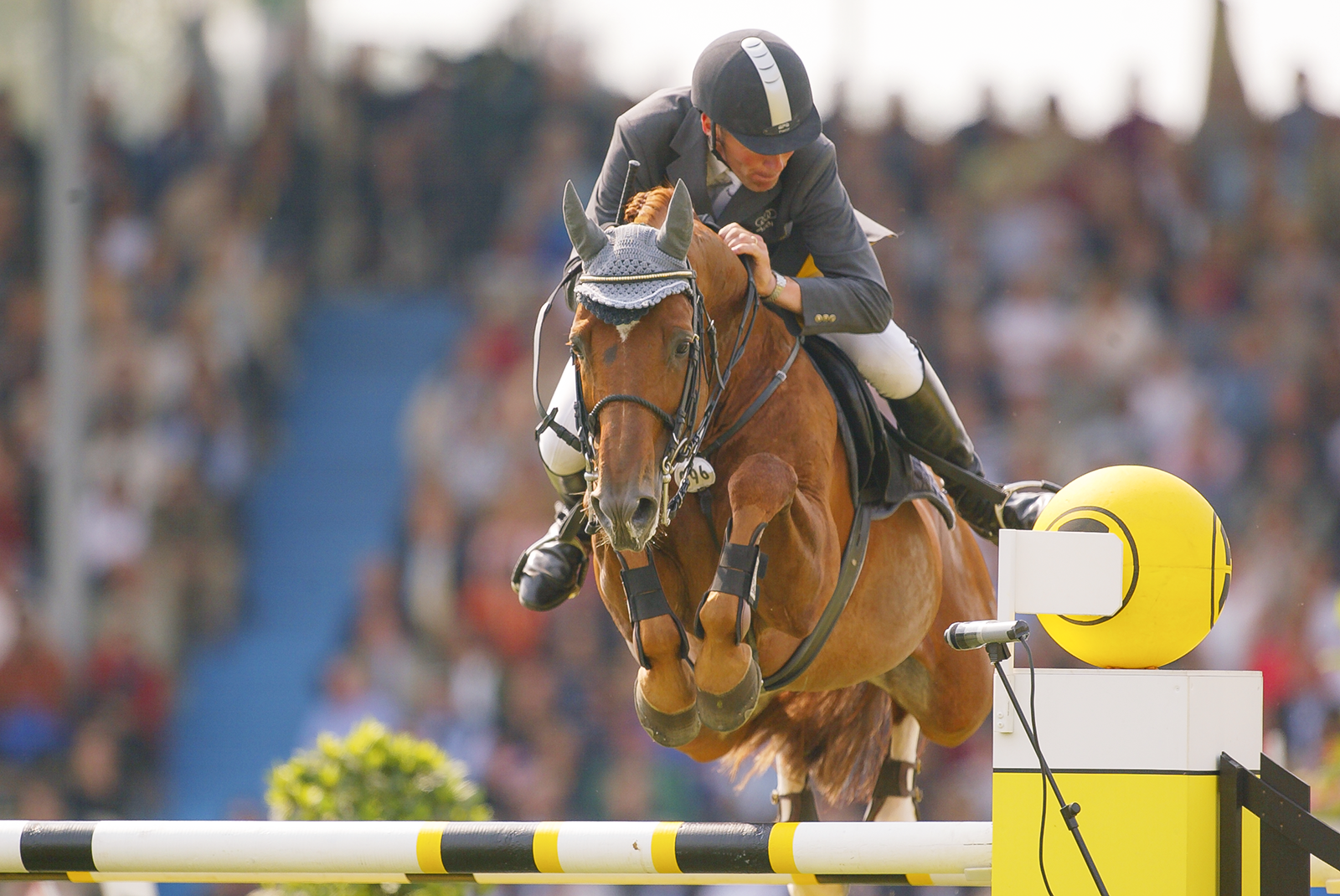
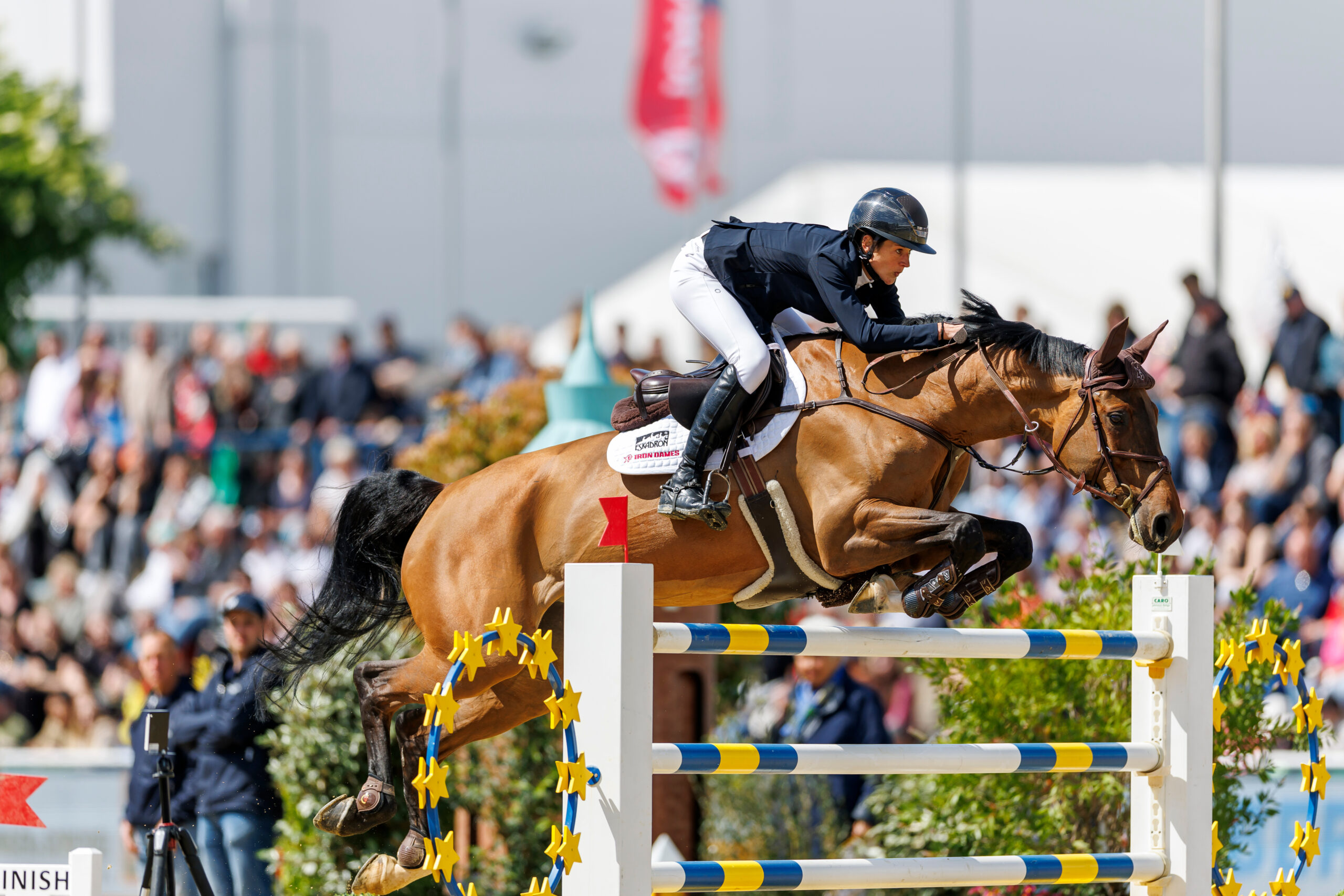
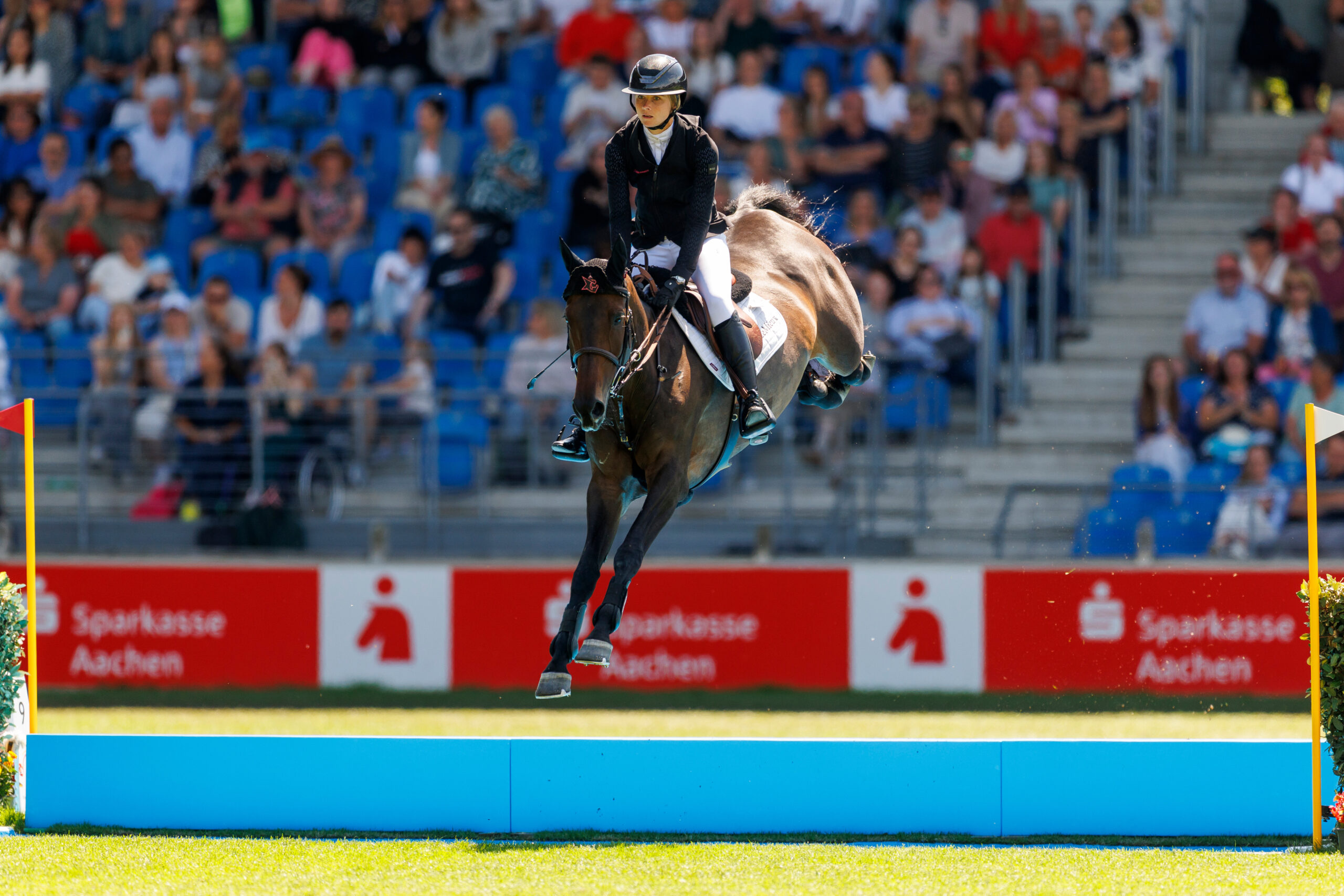
Goldfever on his way to victory in the Grand Prix of Aachen 2002 with Ludger Beerbaum. Photo: toffi-images.de Goldfever on his way to victory in the Grand Prix of Aachen 2002 with Ludger Beerbaum. Photo: toffi-images.de
The stallion Goldfever is no longer alive. At the age of 35, Ludger Beerbaum had to say goodbye to the Hanoverian stallion with whom he traveled the world for more than ten years and who carried him over Olympic courses and to championship medals. An obituary.

The first important man in Goldfever’s life was not Ludger Beerbaum, but Sigurd Hochmuth. In 1991, the mare Gundula by Galvano-Damhirsch gave birth to a chestnut foal in his stables: Goldfever. Grosso Z is the sire of the Hanoverian, who is licensed in 1993 in the Niedersachsenhalle in Verden and is one of the best show jumping stallions of his year. An impression that he was also able to underline at the stallion performance test in 1994: As the fifth best jumping stallion in the 100-day examination of young stallions at the time, he completed this first step in his career in performance class I with 122.63 points.


Goldfever’s first tournament start at the age of five


His sporting career began in June 1996 in Badenstedt. The Hanoverian made his debut in this district of Hanover: eighth in a novice class show jumping test for young horses, fourth in an elementary class show jumping test for young horses. As you can see: The Grosso Z son was already destined for greater things back then. Following victories up to medium (M) level tests for young show jumpers, the chestnut stallion then went once under Michael Aabo in October. Dirk Ahlmann, then employed by Ludger Beerbaum and better known today as the father of Hannes and Pheline Ahlmann, then took his place in the saddle. He also rode him in the final of the 1997 Bundeschampionat, where the pair finished eighth in the jump-off in a top-class field. Landor S, now known as a sire of show jumpers, won with Gerd Sosath, Marcus Ehning came second with the later World Cup winner (2002), Anka. Ahlmann also rode the Grosso Z son in his first advanced (S) level show jumping competitions in the coming season. Dietrich Schulze discovered the stallion at a rural show.


Ludger Beerbaum takes over Goldfever 1998


From the fall of 1998, the stallion became a “matter for the boss”. Ludger Beerbaum rode Goldfever for the first time at the “German Classics”, which was held in the Bremen Stadthalle at the time. Three starts, three placings – the start of a career that was to take the pair all over the world. The fact that the first victory took place in the Berlin Olympic Stadium in May 1999 must have been a special experience for the owners, Madeleine Winter-Schulze and her husband Dietrich, “Dieter”. Even though the couple had long had their farm in Wedemark, north of Hanover, they always had strong ties to their home in Berlin. “With heart and soul” – for Dieter, Goldfever is always just “my little hooligan”.


Early team gold at the Olympics


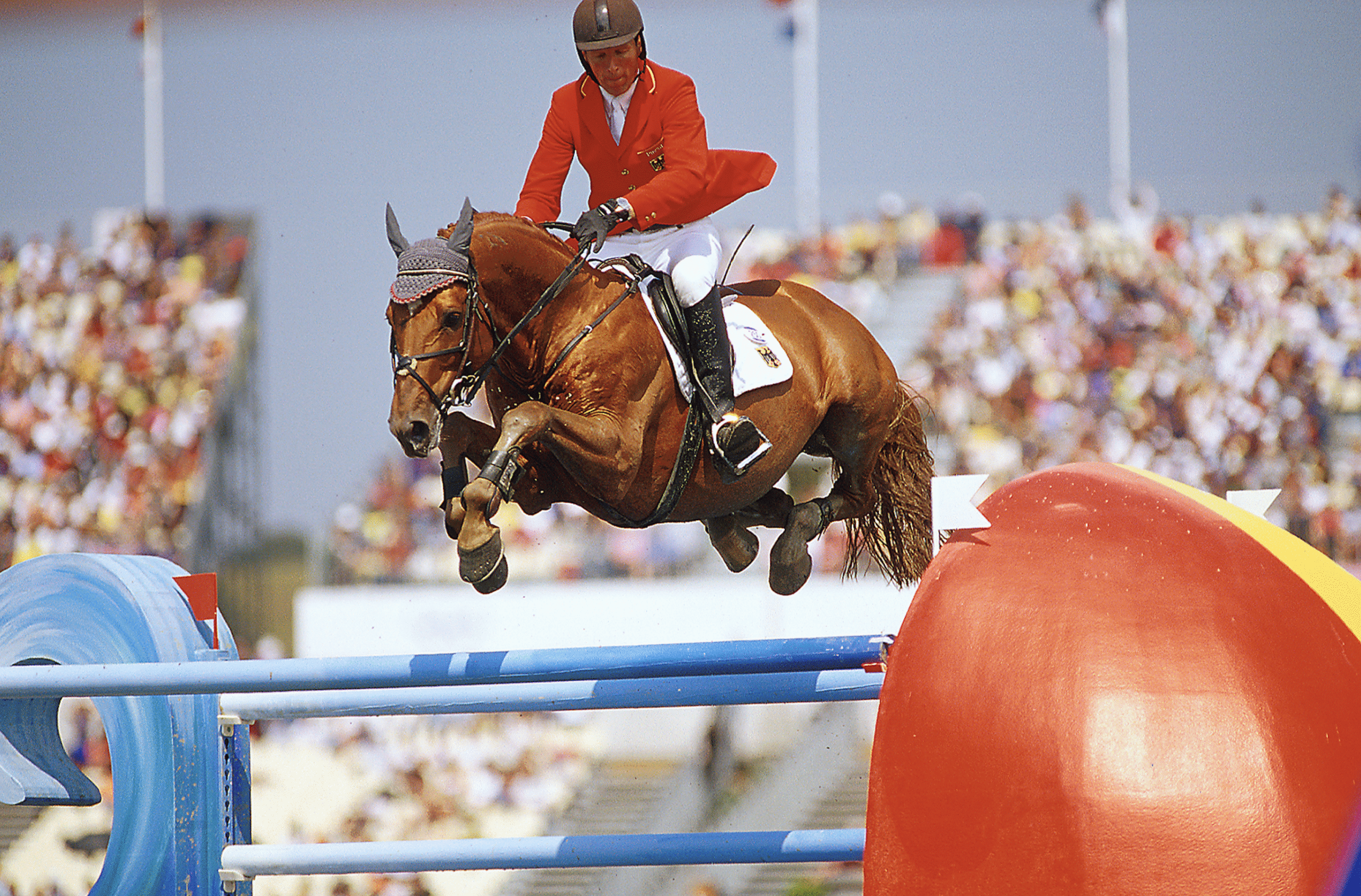
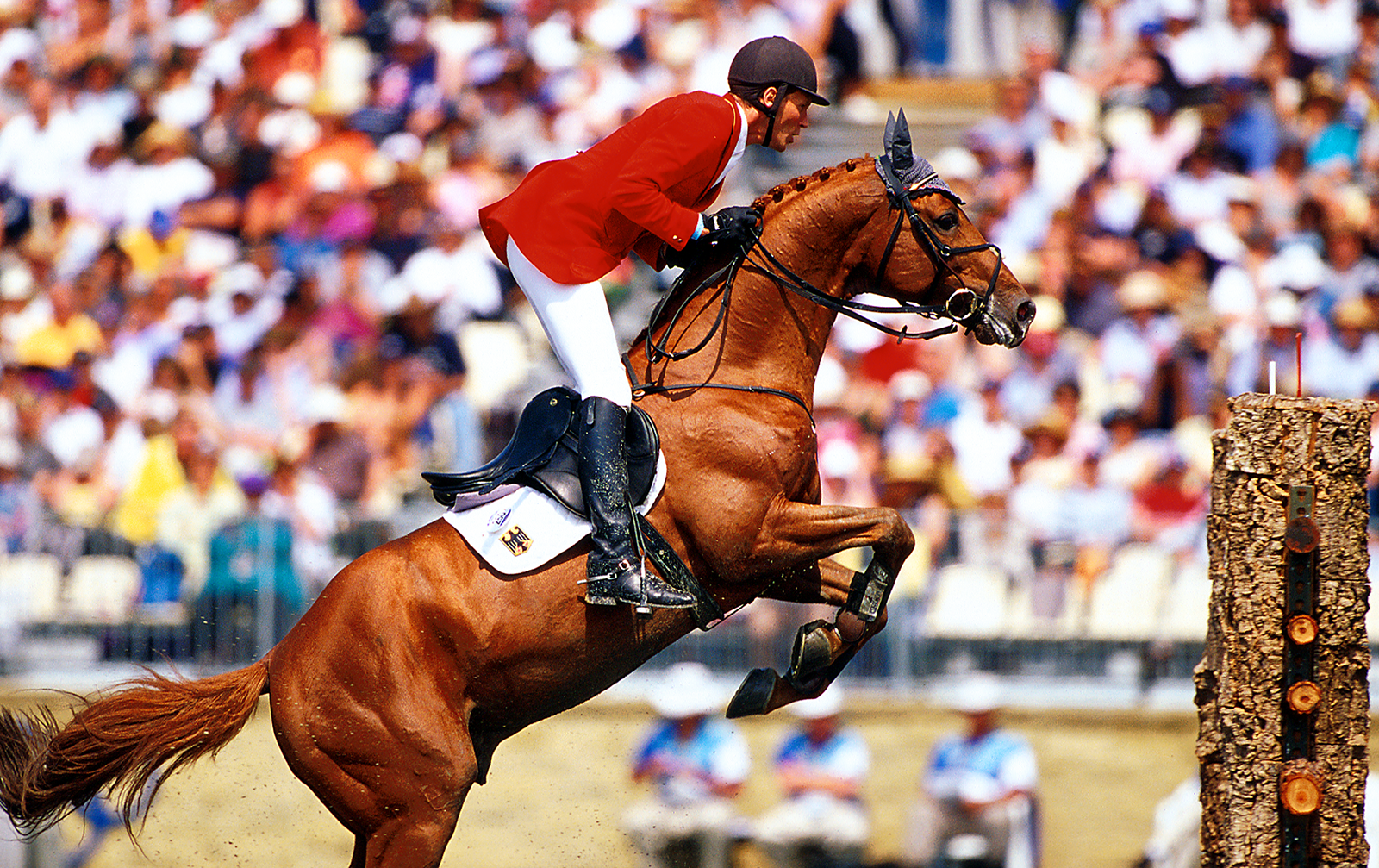
Goldfever and Ludger Beerbaum were to enjoy another ten years of success in the show jumping arenas of the world. The duo celebrated their greatest successes between 2000 and 2007, with the first highlight coming in 2000 when the then nine-year-old Grosso Z son won team gold with the German team at the Sydney Olympic Games.


Things continued to run smoothly for the pair in the following years. Among other things, the pair won the most difficult Grand Prix in the world, the one in Spruce Meadows, Canada, and the one in Aachen, both in 2002, with the Riesenbeck dream team repeating their triumph in the Soers in 2003. “Ludger does it again” was the headline of a national trade magazine at the time.


The European Championships were held in Donaueschingen in the same year. There was an all-German podium: Christian Ahlmann became European Champion, Beerbaum and Goldfever won individual silver ahead of Marcus Ehning and For Pleasure. Together with the fourth member of the team, the current national coach Otto Becker and Cento, Germany had also previously won the team competition. The Olympic year 2004, at a historic venue, in Athens, can come.


The 2004 Olympics and betamethasone


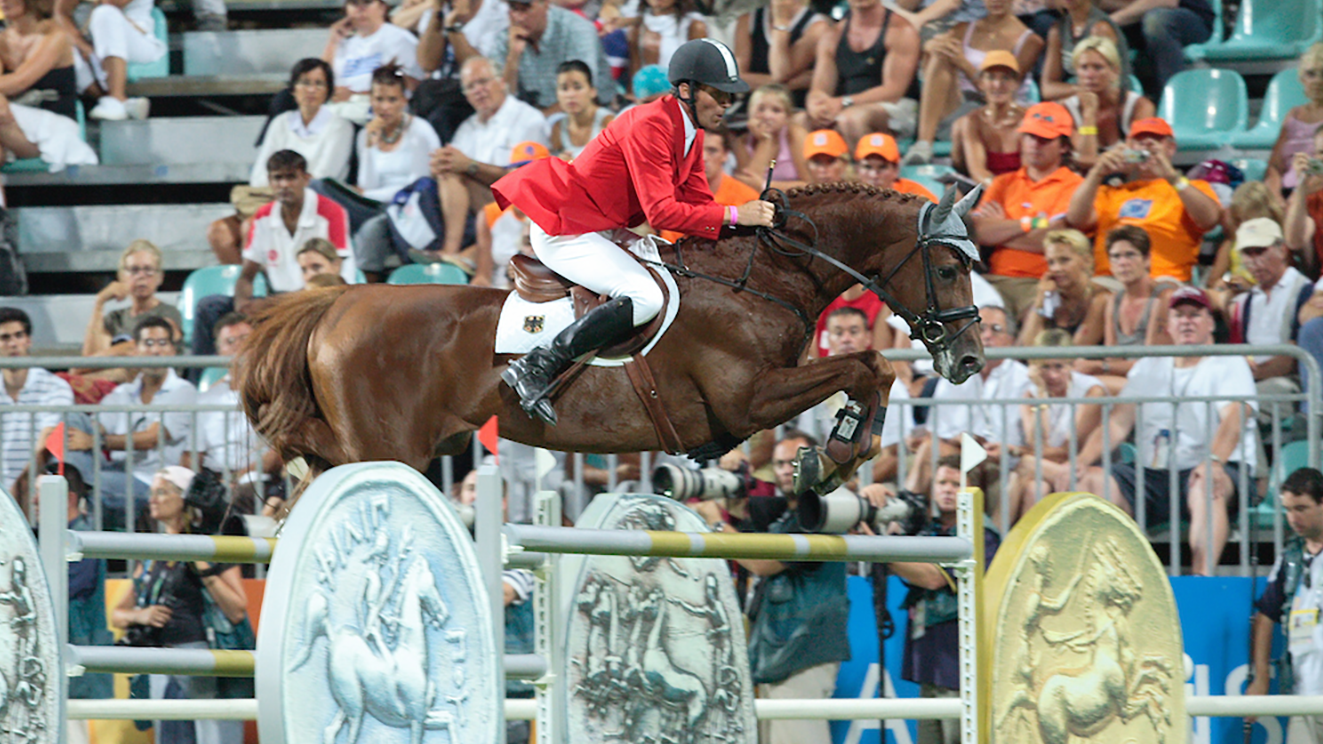
After finishing sixth in the Grand Prix of Aachen this year, the pair is nominated for Athens. Germany wins the team competition there. But then came the shock for Team Germany: betamethasone was detected in Goldfever’s doping sample. The synthetic glucocorticoid (cortisone derivative) has anti-inflammatory, anti-allergic and immunosuppressive effects – a “banned substance”. Beerbaum’s successes in Athens are canceled, Germany loses the gold medal and ends up in bronze. Ludger Beerbaum repeatedly pointed out that only a chafed area in the crook of his fetlock had been treated with an ointment containing the substance in question. He fought against the disqualification and appealed to the International Court of Arbitration for Sport (CAS). However, this last instance also ruled against Beerbaum in September 2005. All in all, the 2004 season was nevertheless one of the most successful in their joint career.


Another podium finish at the 2007 European Championships


In the years to come, Goldfever contributed to the more than 2.8 million euros the pair won in their career. By this time, the Grosso Z son had long since been awarded the FRH Signum in his name as a special advertising medium for his Hanoverian home association. And the pair once again made it into a German championship selection: Team silver and individual bronze at the European Championships in Mannheim.


Dieter, “the little hooligan” and the nerves


For one person, Goldfever and Ludger Beerbaum’s performances were always a special challenge: Dieter Schulze was known for being excited about every ride of “his” horses. But when Goldfever came into the arena, Schulze’s fever rose so dramatically that Madeleine Winter-Schulze’s husband turned around. He simply couldn’t bear to watch. When the cheers erupted, Goldfever and Ludger crossed the finish line and were possibly even asked to take the victory lap, nobody was happier than Dieter Schulze. Although his wife “Mado” was the toughest competitor in this respect.


2009 Farewell in Aachen


Goldfever rode his last course with Ludger Beerbaum in Hamburg Klein Flottbek at the end of May 2009. He was 18 years old then and still good for a placing. A champion walks with his head held high. And a macho man like Goldfever was throughout his life, even more so. His retirement from the sport was celebrated in Aachen. “Let me entertain you” rang out across the Soers stadium from Robbie Williams. That was what Marie Johnson, Ludger Beerbaum’s head groom for many years and always at Goldfever’s side, had wished for. The farewell was more than just a short eulogy and the obligatory basket full of carrots. Goldfever is collected by other owners from the Beerbaum Stables in the Soers, Ratina and Champion de Luze for example. Big emotions for a stallion who is not so big in terms of height.


Breeding in the foreground for active pensioners Goldfever


After taking a break from breeding during his sporting career, the chestnut stallion was now able to devote more time to his job as a sire. His greatest advertising medium was always close to his reputation: Gotha, born in 2001 at Jan Minners, not only brought Ludger Berbaum starts at the 2010 and 2011 World Cup Finals, but also team gold at the 2011 European Championships in Madrid. The wiry mare later took part in the European and World Championships under Henrik von Eckermann.


Several licensed sons and a number of successful advanced (S) level show jumpers represent Goldfever’s breeding and sporting heritage.


5 things about Goldfever, beyond the course


Webcam star


When the internet was still something that had to be explained, Goldfever was the first horse that you could follow during the day via webcam. “And if he wasn’t in his box, people would call and ask what was going on with him,” Susanne Strübel, press spokeswoman for Beerbaum Stables, recalls to EQUI PAGES.


Isabell Werth …


…also rode him. As part of a show performance, Isabell Werth sat in the saddle of Goldfever and rode traversals and flying canter changes, beaming with joy. Luder Beerbaum, meanwhile, was allowed to take a seat on Apache, one of Werth’s dressage horses and Madeleine Winter-Schulze’s favorite horse at the time. Given the longer stirrups, his radiance was not quite as convincing as that of the Olympic champion.


Isabell Werth and Goldfever, photo: Beerbaum Stables

“Stallion of the year”


In 2010, the Hanoverian Verband awarded Goldfever this title. Breeder Sigurd Hochmuth, Meerbeck, once again took center stage as the “sire of success”. Interesting from a breeding point of view: The G-line (Goldfisch II) can be found in the paternal and maternal lineage. In addition, his grandsire Goliath II Z is a maternal half-brother to Argentina Z by Almé. In other words, the mare that foaled the Olympic champion Ratina Z.


To France, for love


For some time after the end of his sporting career, Goldfever worked as a stud stallion in France. His genes were in demand internationally.


Always a macho man


Even at more than 30 years old, Goldfever was aware of his exceptional position. Anyone who thought that he would be a little less brash after 30 was mistaken. With a “grumpy” arched neck, he put everyone in their place who did not treat him with the reverence he deserved.


Death at the age of 35


Goldfever (1992-2026) with Ludger Beerbaum and Marie Johnson Goldfever (1992-2026) with Ludger Beerbaum and Marie Johnson. Photo: Beerbaum Stables


“Of course we are all very sad today that Goldfever is no longer with us – but we also all look back with great gratitude and a little pride on the successes and the time we spent together


.”

Ludger Beerbaum said this on January 14, 2026. In his farewell words, he expressly included Marie Johnson and Petra Schmid, who looked after the grand seigneur of Riesenbeck until Goldfever’s last day.


Similar posts

Brash wins once again, Meyer-Zimmermann second
Brash wins once again, Meyer-Zimmermann second Read More
Career time and performance: The most successful show jumpers of recent years
Career time and performance: The most successful show jumpers of recent years Read More
Luciana Diniz and Vertigo du Desert win Abu Dhabi
Luciana Diniz and Vertigo du Desert win Abu Dhabi Read More
WP Wehrmann Publishing