The spectre of horse tax: will Reutlingen decide on a levy for horse owners?
Politicians in Reutlingen want to introduce a horse tax
 from Jan Tönjes
 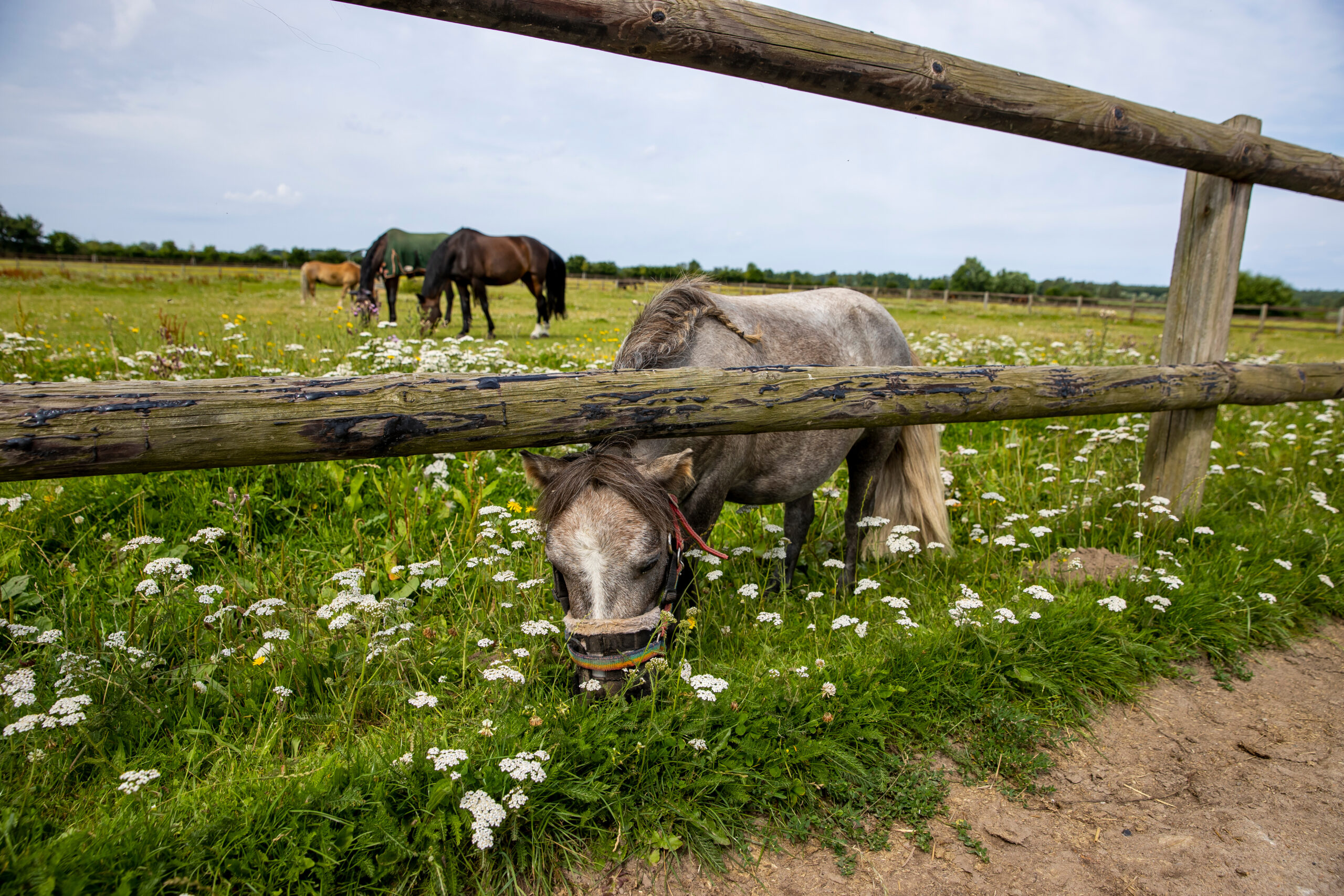 Protests against the horse tax were successful in many municipalities in the 2010s.
 Funding gaps, tight budgets – in situations like these, some people with political responsibility come up with the idea of levying a horse tax. The most recent example is the town of Reutlingen in the Swabian Alb. There, a cross-party group described in the press as the “GaGroKo” (very large coalition) is considering a double budget for the coming years.
Potential savings, for example in administrative positions, were considered. However, additional revenue was also considered. In the calculations of the GaGroKo representatives, higher parking fees alone are probably not enough to generate urgently needed additional revenue. This is why the “list of cruelties”, as the basis of the double budget is called, also includes a horse tax.
Reutlingen horse commune
Those behind the idea are hoping to raise 50,000 euros from the introduction of a horse tax in Reutlingen. There are many riding stables, schools and competition stables in Reutlingen and the surrounding area. The Marbach main and state stud farm, Germany’s oldest state stud farm, in the municipality of Gomadingen is also located in the district of Reutlingen. The Baden-Württemberg Horse Breeding Association is also based there. The Reutlingen Riding Club has been in existence for over 100 years. Gotthilf Riexinger, a former international dressage judge, was a long-time board member.
Horse tax bankruptcy project
More than ten years ago, many local politicians across Germany had their eye on the wallets of horse owners. There were protests across Germany against the horse tax because, among other things, it made it almost impossible for riding schools, which could only be run with a great deal of idealism, to exist. The state parliament in Schleswig-Holstein had issued a general rejection of the horse tax.
Hesse as a negative example
The horse tax made headlines in Bad Sooden-Allendorf in Hesse, where it was enforced by local politicians despite huge protests. In 2021, after 150 children were deprived of the opportunity to ride horses because two businesses had to close, the tax was abandoned.
Equestrian sport Germany/FN already active in Reutlingen
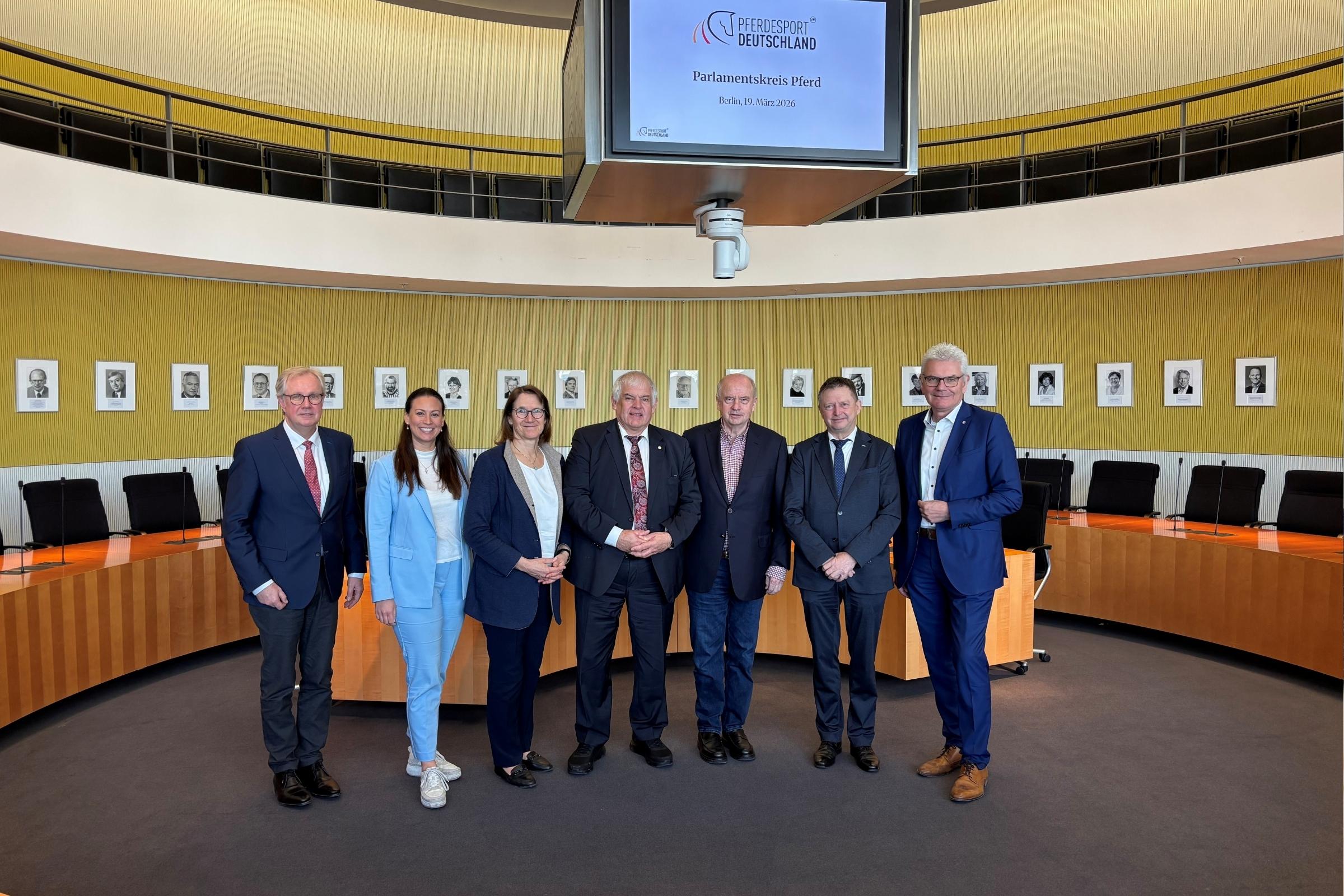
When asked by EQUI PAGES, Anna-Sophie Laurenz, the equestrian sports development and advocacy officer responsible at the German Equestrian Federation (FN), confirmed that there has already been an exchange between Warendorf and the responsible state equestrian sports association. Initial statements against the horse tax have been sent out and talks have been held.
Only one municipality in Germany currently levies a horse tax
Schlangenbad is currently the only municipality in Hesse that actually levies the horse tax. In Münzenberg, also in Hesse, there was a major campaign against the horse tax in May 2025. Over 300 people demonstrated there with the support of the FN. And it was a success! The voices of the various stakeholders from sport and breeding associations to the local riding club were heard. The introduction of the horse tax was successfully averted.
Discussions in four municipalities
In addition to Reutlingen, local politicians in Potsdam (Brandenburg), Mülheim an der Ruhr (North Rhine-Westphalia) and Lüdersdorf (Mecklenburg-Western Pomerania) are currently eyeing the money of those who keep horses. Equestrian Sport Germany is also active here. Advice and, if necessary, local support are offered.
Since the first major horse tax debate in Hesse in 2012, around 500 municipalities across Germany have discussed the introduction of a horse tax. If such ideas are also raised in your own municipality, you need to get involved. The FN has summarized how to argue locally in a document.