Emergency appeal dismissed: Riding stable operator loses operating license due to cruelty to animals
 from Dominique Wehrmann
 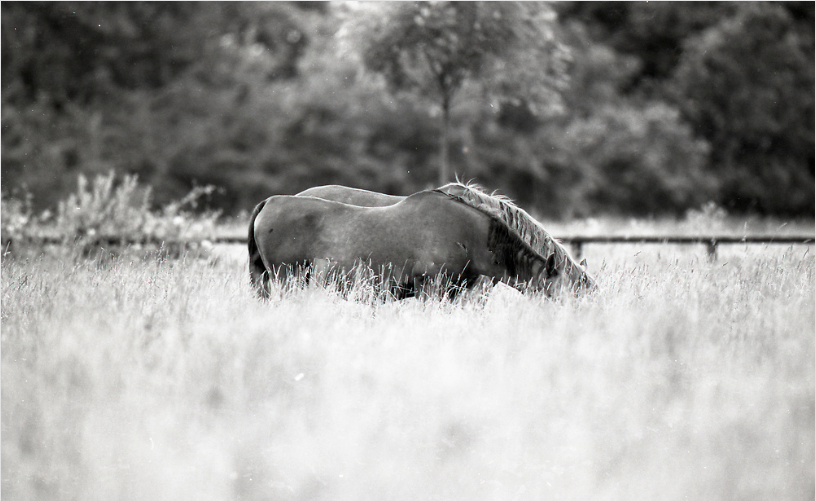 Symbolic image, old horses in the pasture Photo: toffi-images.de
 The district of Trier withdrew the applicant’s animal welfare permit for the commercial operation of a riding facility. Reason: the applicant lacked the “reliability required for this”.
Pulled and beaten
Specifically, this concerns the “violent training methods” of which the applicant is accused. He is said to have beaten the horses and forced them into a hyperflexion or rolling position. Several witnesses reported this to the veterinary office and documented it with photos and videos. The official veterinarian determined that these methods were contrary to animal welfare.
In the spring, the applicant had already been convicted of two counts of cruelty to animals by the Trier Regional Court. The reasons for the verdict state that the stable manager had given one horse “very rough rein aids and, out of crudeness, used force to force the horse into hyperflexion, which caused considerable pain, without sufficient reason”. The other horse was “repeatedly and forcefully hit on the body and head with a crop or leather reins”.
Disproportionate decision?
The riding stable operator did not want to accept the fact that the district withdrew his operating license in light of the ruling and the assessment of the official veterinarian and filed an application for urgent legal protection with the Trier Administrative Court. He argued that the finding that he was unreliable was not correct and that the revocation of the permit was “disproportionate”. His livelihood was at stake. He was dependent on the income from the riding business, which he was no longer allowed to run due to the revocation of the operating license.
Judge rejects motion
However, the judges at the administrative court ruled that the district’s decision was lawful. Following an examination in summary proceedings, they came to the conclusion that the applicant did not in fact meet the necessary requirements for the granting of an operating license for a commercial riding stable, which includes reliability. However, the applicant had “repeatedly grossly and in some cases deliberately violated the Animal Welfare Act”. In view of this, according to the current state of affairs and dispute, the applicant does not offer sufficient guarantee that he will comply with the legal provisions in the future and that there will be no risks to the welfare of the horses kept.
The authority had also decided to revoke the permit “without any errors of judgment”. The revocation was not disproportionate. Animal welfare had “priority over the private, primarily economic interests of the applicant in view of the seriousness of the violations found”.
It had not been possible to establish that the applicant’s existence was at risk.
Source: PM of the administrative court