Fee Schedule for Veterinarians (GOT): Equine Associations Sound the Alarm to Agriculture Minister Rainer
Because of GOT – Equestrian Associations Meet with Agriculture Minister Rainer
 from Jan Tönjes
 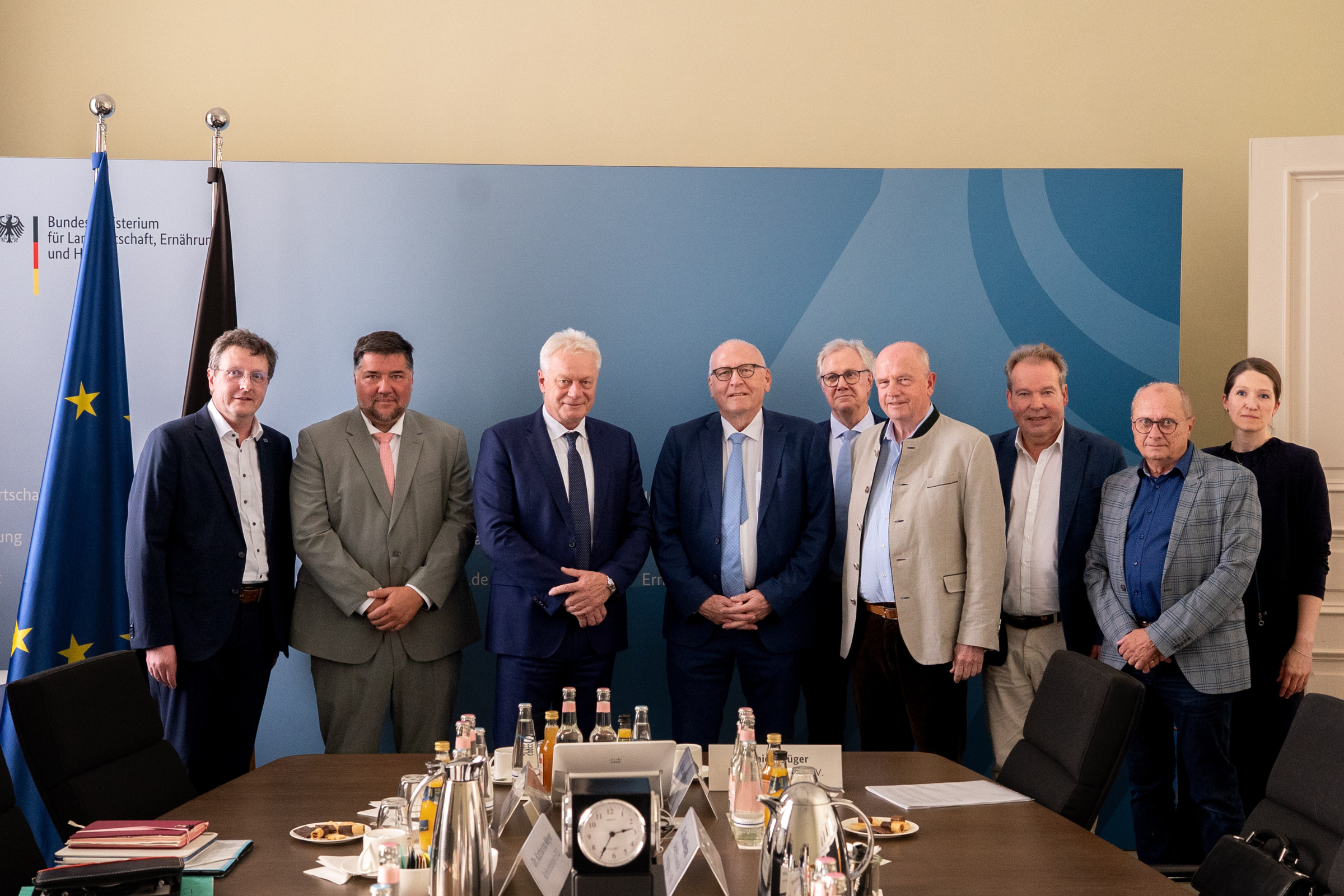 Representatives from three equestrian associations met with Federal Minister of Agriculture Alois Rainer (third from left) in Berlin to express their concerns about the impact of the GOT. Photo: BMLEH
 It’s not every day that representatives of the three major equestrian associations act in complete unison. That alone shows just how significant the representatives’ visit to the Federal Ministry of Agriculture, Food, and Home Affairs (BMLEH) was. Representing the FN (Pferdesport Deutschland) were President Prof. Dr. Martin Richenhagen, Breeding Director Dr. Klaus Miesner, and the Team Leader for Veterinary Medicine and Animal Welfare, Dr. Henrike Lagershausen, who had traveled to Berlin. They spoke with Federal Minister of Agriculture Rainer (CSU) and the Federal Government’s Commissioner for Animal Welfare, Silvia Breher (CDU), as well as ministry representatives.
Horse Germany in the GOT Crisis
The associations presented figures that set off alarm bells: the horse population is declining. Event attendance is declining. The number of registered breeders and breedings is declining. And signals from the current breeding season indicate that, according to the associations, the situation is even more dramatic than the figures from previous years. All those in charge agree that veterinary costs are not just one of several factors, but rather the central problem facing horse breeding.
Dr. Klaus Miesner summed up the position: “We need immediate relief measures for horse owners, even though the evaluation of the GOT is still ongoing.” The days of waiting and seeing are over. FN President Martin Richenhagen went a step further and once again raised the issue of abolishing the GOT. This is a maximum demand. However, the former manager considers it absolutely necessary to repeal the mandatory nature of the fee schedule, which is unique in Europe.
A fee schedule, just like other professional groups
As early as April, association representative Rainer had pointed out in writing that other independent professions—architects, engineers, tax advisors—have long been using fee schedules. These serve as a guide but are not binding. In other words: a free market economy in veterinary medicine, just as in construction projects and tax returns.
Whether this comparison holds up legally will have to be determined in Berlin and—if the announcements by the Association of German Animal Owners (VDTH) are to be believed—possibly also in Brussels.
Ongoing evaluation itself is the problem
Politicians often point to the ongoing evaluation of the 2022 GOT amendment. However, the associations refuse to accept this argument. From their perspective, the ongoing evaluation lacks what actually defines an evaluation—an open-ended approach. The associations feel the following is missing from the study:
- The Specific Impact of the GOT 2022 on Livestock Farmers and Animal Welfare
- the current downward trend in animal numbers
- the development of treatments and euthanasia
- General market trends in the veterinary sector
- The Importance of Pharmaceutical Sales and Discount Structures
- Antitrust issues related to the growing trend toward the formation of large veterinary group practices and clinic networks
A key point of criticism is the fact that the evaluation does not take into account the consequences for all parties involved, from the veterinary community to animal owners.
List of Demands
In addition to the fundamental systemic issue, the three associations had presented a list of specific demands:
- Elimination of the house call fee for horses
- a political commitment to the horse as a farm animal
- a transparent requirement to provide justification when applying multiple rates
- greater flexibility in billing—for example, through flat rates, discounts, or package prices
- equal consideration of the livestock owners’ perspective in the ongoing evaluation process
Similarly, the German Insurance Association (GDV) had also commented on the issue in June.
Minister Rainer Sticks to the Procedure
The meeting ended not with a commitment, but with a reference to the calendar. Rainer made it clear that they would first wait for the results of the ongoing evaluation—accordingly, no action is expected from the ministry before October 2026. The associations themselves are calling for “immediate relief.”