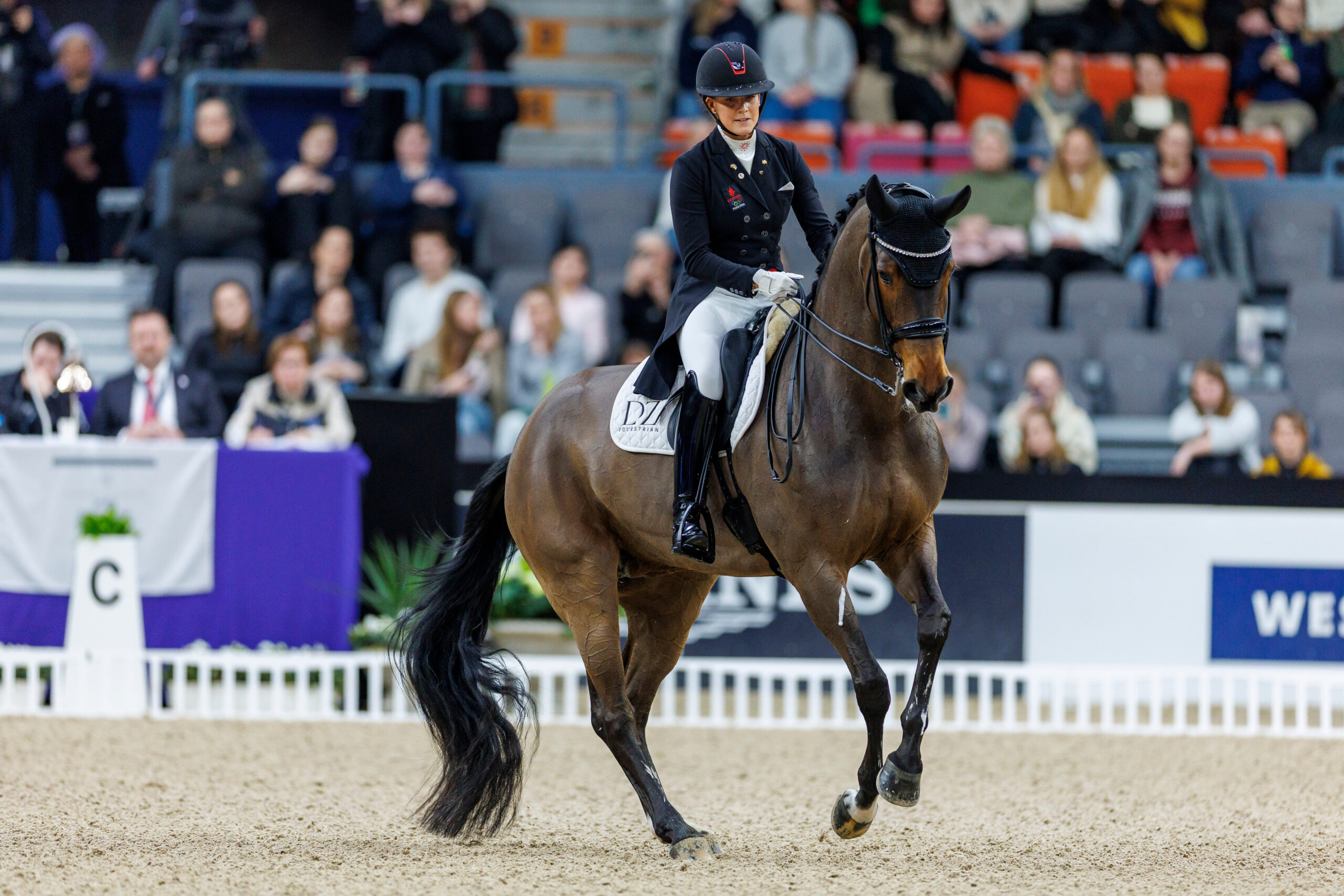
President of the Swedish Equestrian Federation resigns
Drama in the Swedish Equestrian Federation, part three: reshaping the leadership
 from Kim C Lundin
 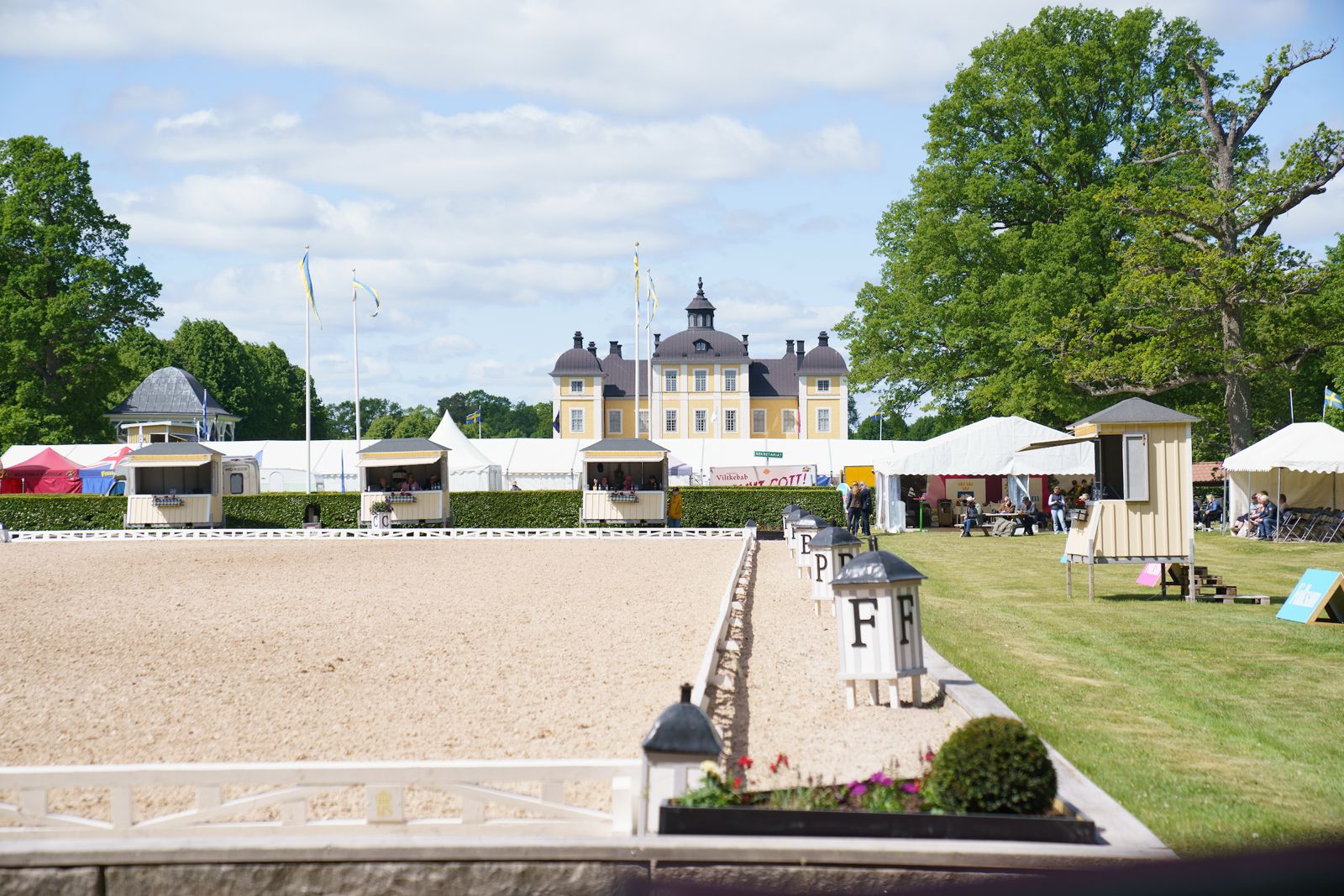 Strömsholm Castle is the official headquarters of the Swedish Equestrian Federation. Photo: kimc.nu/Kim Lundin
 What began as a dispute over the regulation of youth competitions has evolved into a broader institutional debate over the legitimacy of leadership, consultative processes and leadership accountability. Now that key leaders have resigned and no formal request for an extraordinary general assembly has been made, the association appears to be entering a phase of organizational realignment rather than further escalation.
Ruuda no longer president of the Swedish Equestrian Federation
In a statement on her resignation, former chair Sandra Ruuda admitted that the ongoing controversy had begun to overshadow the work of the association as a whole. “Too much attention has been focused on me and my person,” she said, explaining that an early resignation was necessary for the organization to move forward. Although she had intended to remain in office until the next General Assembly, stepping down at this time was ultimately “the best thing for Swedish equestrian sport”.
Her resignation reflects how the conflict gradually shifted from political issues to questions about the credibility of the association’s leadership. Although the federation had already withdrawn the controversial decision on the age limit for U13 pony athletes and initiated a new consultation process, pressure from vocal sections of the show scene increasingly focused on accountability at the highest management level.
New chairwoman signals dialog-oriented leadership
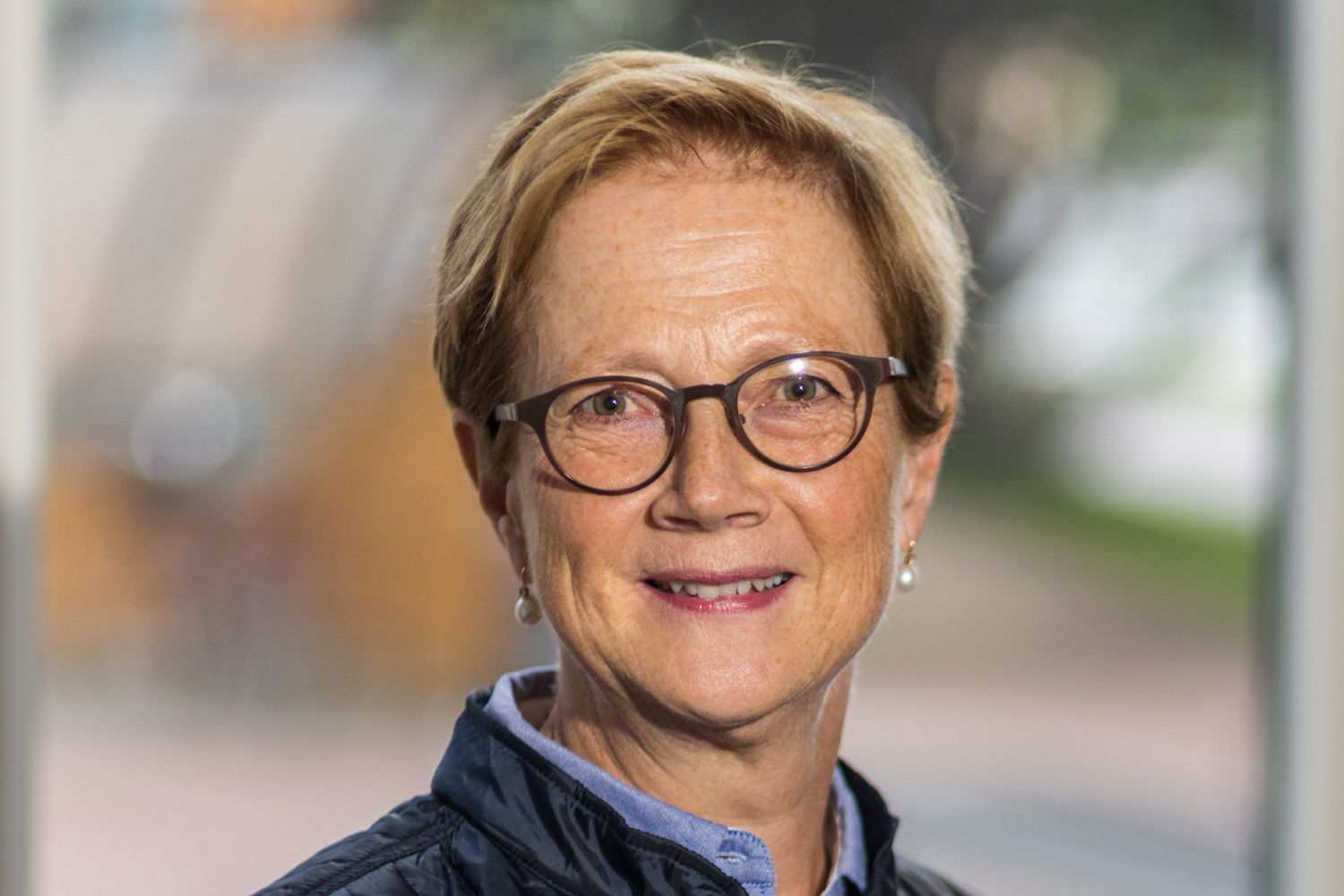
Acting President Camilla Sjölund Lundevall has taken over the role of Acting President and stated that restoring dialogue and trust in the organization will be her immediate priority. “I believe that the right way forward in this situation is to get people talking to each other again,” she said during a digital press conference, adding that her experience has shown that “well-founded openness builds trust”.
With regard to her new role, she emphasized both responsibility and continuity: “I don’t feel alone, but I feel a great responsibility to take the Swedish Equestrian Federation forward in this situation. Even though I could not have foreseen this development, I feel obliged to move forward once I have accepted this task.” Sjölund Lundevall confirmed that a newly formed development group will conduct consultations across all counties, committees and interest groups to identify governance and organizational issues that require further action. She also emphasized her respect for Ruuda’s decision to step down and for the path Ruuda has taken in all steps of the process up to the current situation.
Call for extraordinary plenary session subsides
Calls for an extraordinary general assembly grew louder in earlier stages of the conflict, particularly from advocacy networks critical of the federation’s leadership. Advocacy group Svensk Ponnysport, one of the most visible opponents of the under-13s decision, initially described the resignations as proof that “the members, common sense and democracy have won”, while hinting that further changes in the federation’s leadership could follow. A day later, however, representatives of the same network announced that they were not currently seeking an extraordinary assembly, but instead referred to the ongoing dialog process and preparations for the next ordinary general assembly.
It is worth noting that the network itself is not a voting member of the association and therefore cannot formally request such a meeting without mobilizing the member clubs or districts. This became clear when the acting Secretary General Maria Guggenberger confirmed during the press conference that no formal request for an extraordinary general assembly had been made. According to the association’s statutes, an extraordinary assembly can only be convened following a formal request supported by the required number of members per member organization. Although membership lists of clubs and districts have reportedly been prepared in the event of such a request, the absence of a formal request suggests that the escalation to date has been largely political rather than procedural.
From confrontation to repositioning
The sequence of events – controversial rule proposal, dismissal of committee members, withdrawal of the decision, resignation of the leadership and now the easing of the situation in the assembly – shows how quickly the crisis has developed. While the under-13 rule was originally at the center of the debate, the conflict ultimately became a broader test of the legitimacy of the leadership within one of Sweden’s largest sports federations.
Now that key leaders have resigned, the immediate challenge for the federation is less about the specific content of the youth competition regulations and more about restoring confidence in decision-making processes that lead to reforms that are both operationally effective and broadly embedded in the sporting community.
Crisis characterized by a vocal minority
The scale of the controversy also raises a broader question of proportionality. The public debate around the crisis has largely been driven by a relatively small but highly mobilized section of the sport, particularly within the elite competition circles (a specific form of competition in Swedish pony sport) and associated commercial environments. Their influence on social media platforms has often given the impression of a far larger movement than membership numbers alone would suggest.
Within an association with around 140,000 members, a leadership crisis eventually emerged under the pressure of a comparatively limited but exceptionally vocal mobilization. Many observers note that the dispute was not only characterized by governance issues, but also by economic interests related to high-level youth competitions, where training, horse trading and routes to show participation represent significant financial interests.
This incident therefore illustrates how modern, membership-based sports organizations can face a new kind of legitimacy challenge: formal democratic structures on the one hand and highly concentrated digital pressure campaigns on the other. Balancing these forces could prove to be one of the key leadership challenges for the federation’s new leadership in the coming months.
Side note
Why leadership crises in member-oriented associations often lead to a change in leadership
In democratic sports federations, controversial political reforms often develop into leadership legitimacy crises as soon as trust in the decision-making processes begins to wane. When debates shift from technical regulations to issues of consultation, transparency and institutional trust, the continuity of leadership itself can become the focus of negotiations.
The convening of extraordinary general assemblies is often part of this escalation pattern. Even if such meetings are never officially requested, the political pressure they generate can accelerate leadership changes aimed at restoring the organization’s ability to function and reinvigorating internal dialogue.
Should managers “sit out” the crisis?
When conflicts escalate within an organization, leaders are usually faced with two strategic options. Staying in office can signal stability and continuity, but risks prolonging the institution’s paralysis if its legitimacy is significantly weakened. Resigning, on the other hand, can defuse tensions and restart reform processes under less polarized conditions, even if the outgoing leaders have strong professional qualifications.
For this reason, executive resignations during governance conflicts often reflect attempts to stabilize institutions rather than final judgments about the competence or long-term suitability of the individuals concerned.