After association crisis in Sweden: U13 regulation withdrawn
Sweden’s U13 rule – association rows back, “but no course correction”
 from Kim C Lundin
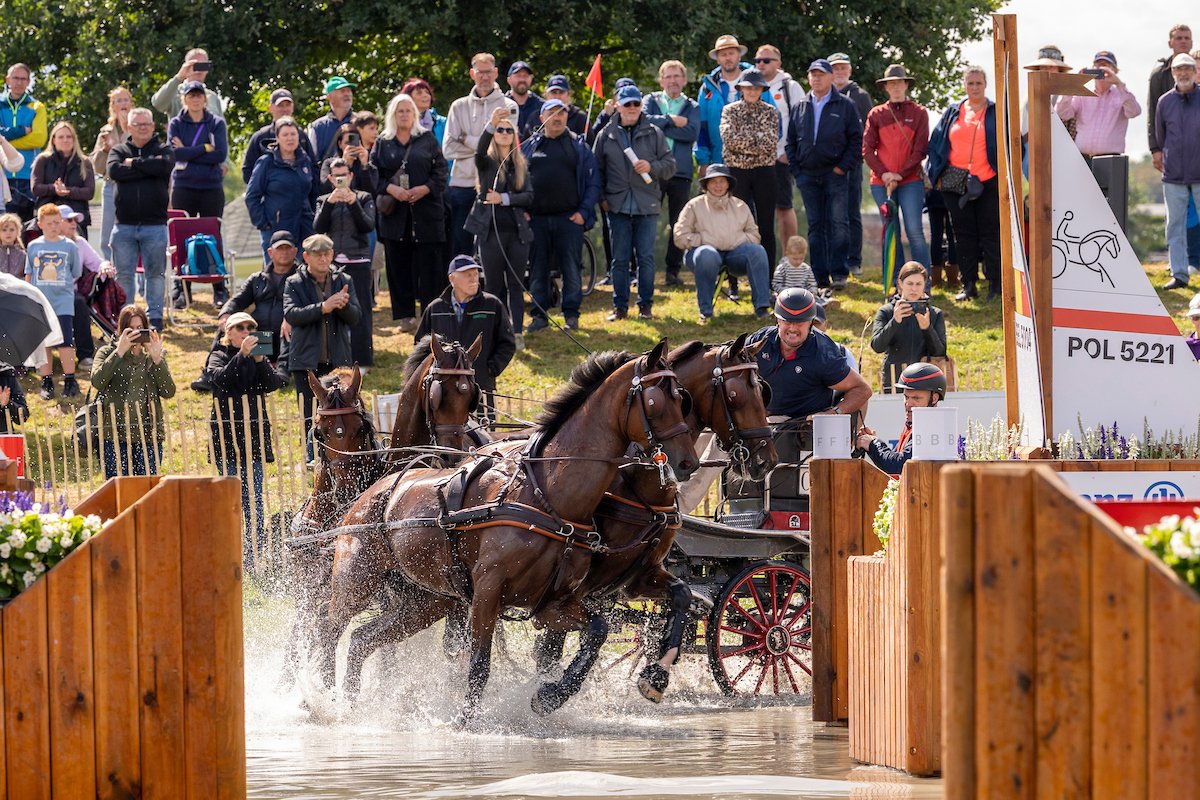
 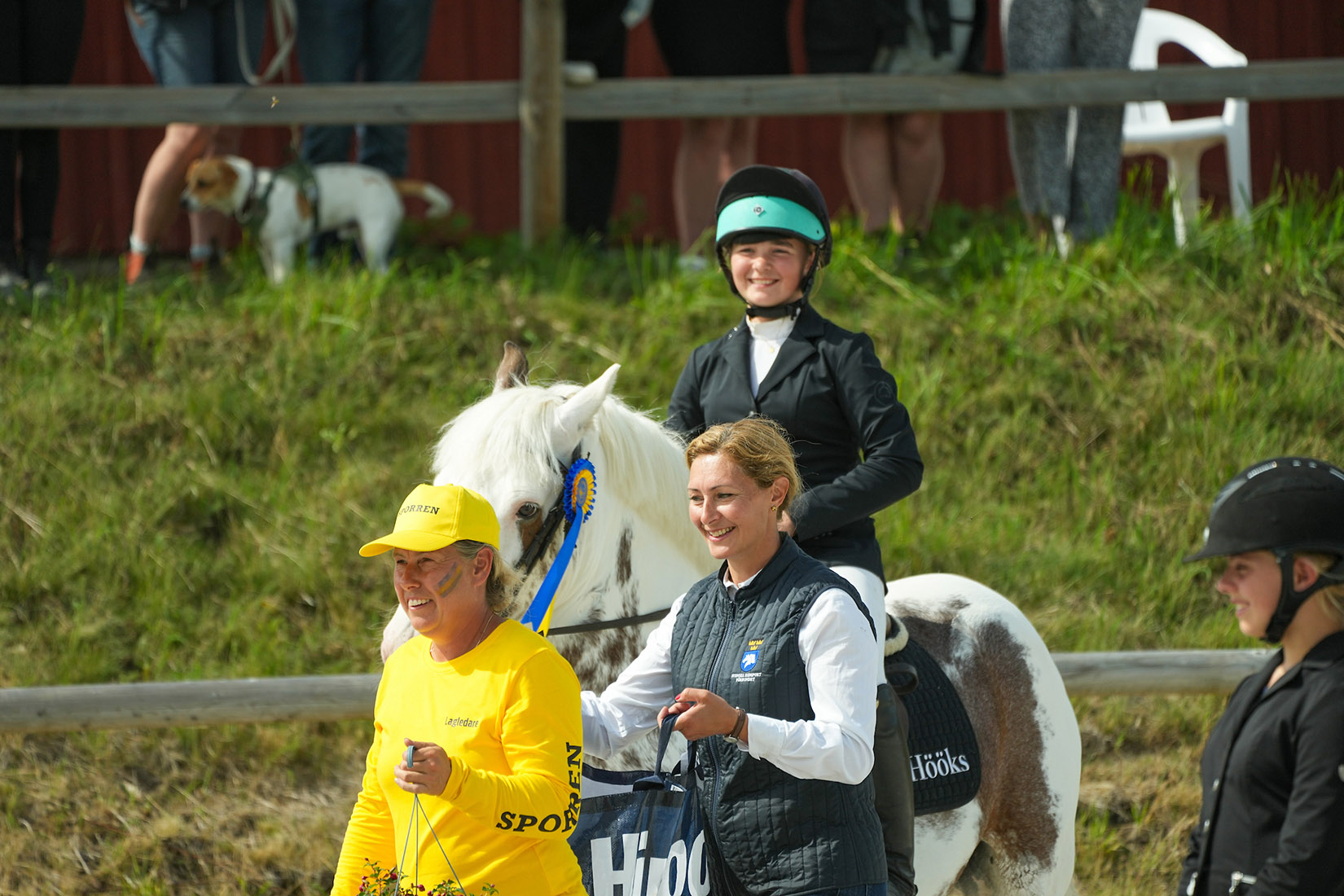 New development in Swedish tournament sport for children U13. Photo: kimc.nu/Kim Lundin
 The Swedish Equestrian Federation has withdrawn its recently adopted regulation on certain competition classes for children under the age of 13. The controversial decision to no longer allow children under the age of 13 to take part in certain series and championships had shaken the Swedish Equestrian Federation. The general secretary resigned prematurely and the entire show jumping committee was dismissed. The decision was not sufficiently anchored internally and undermined trust within the organization, it is now said. However, child protection is to be maintained.
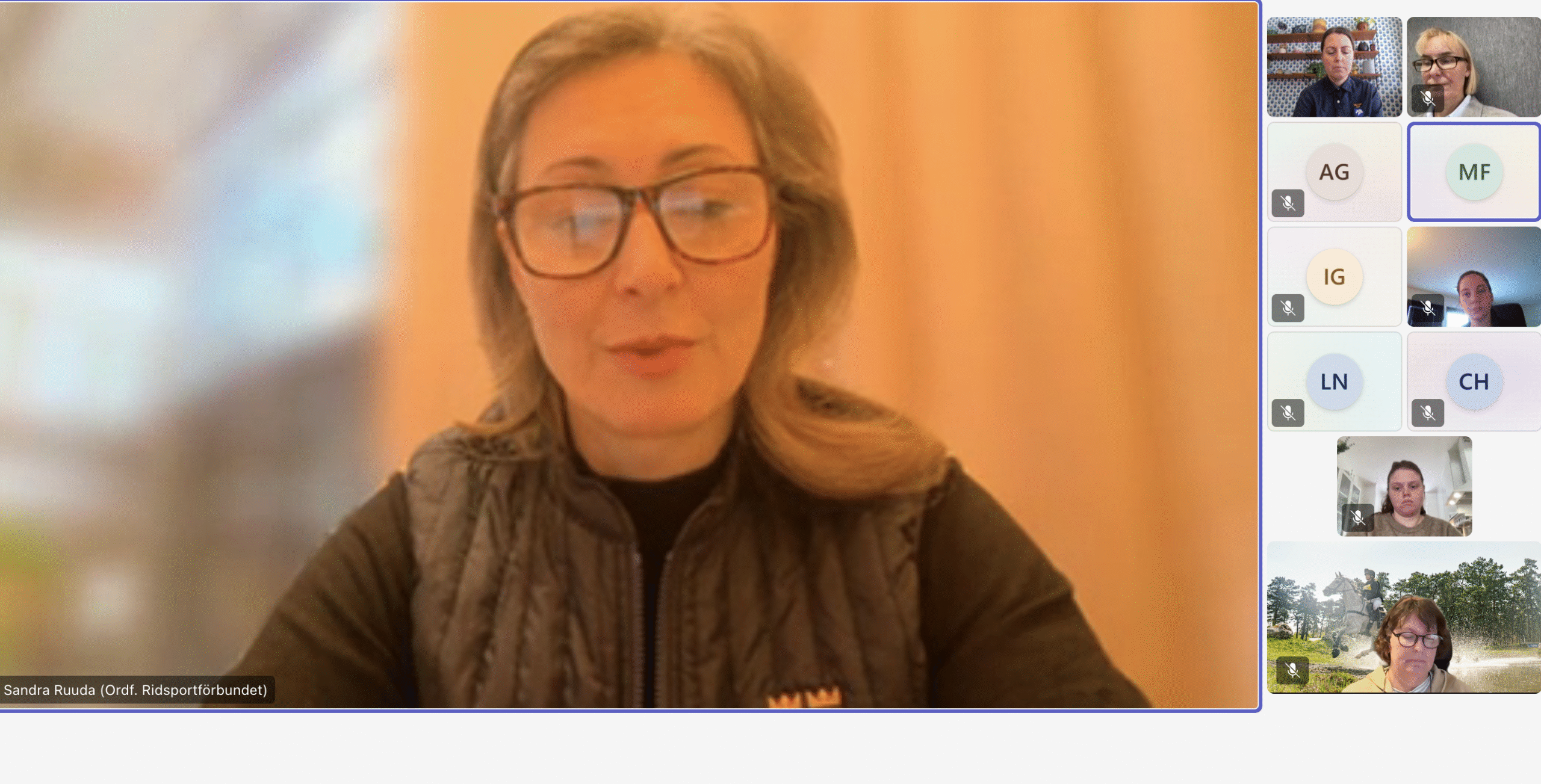
The new version of the U13 rule in Sweden was officially withdrawn on January 30. In a digital press conference led by association chair Sandra Ruuda and spokesperson Matilda Hjertstrand, the association subsequently commented. Ruuda explained that the board had “misjudged the degree of anchoring” and confirmed that a new consultation phase would now be carried out with clubs and districts. A revised proposal would then be presented.
“We are not withdrawing from work in the area of children’s and youth competitions,” said Ruuda, “but we need to find a way to implement rules properly.”
Reset instead of policy reversal for Sweden’s U13 regulation
Throughout the press conference, the association’s representatives emphasized that work on the guidelines for children’s competitions would continue. What was changing was the path, not the destination. The board presented this measure as an institutional correction to restore confidence in democratic procedures, not a retreat from the goals of child protection.
Ruuda also announced that the association’s elected auditors have been asked to review the previous decision-making process “for learning purposes”. This can be read as an indication that work is being done internally to analyze shortcomings in leadership rather than simply defusing public criticism.
Democratic pressure and the call for an extraordinary meeting
One of the key issues raised during the press conference concerned the demands from parts of the sport, in particular from the very vocal minority group “Svensk Ponnysport”, for an extraordinary general assembly. When asked whether the new round of consultations would neutralize these demands, the Chair replied that the Board had not acted out of fear of such a meeting. Such a general meeting would be welcomed if the members considered it necessary. The focus was on ensuring that “the democratic process takes its full course”, even if this meant a slower pace.
The association’s approach is therefore to shift the debate from a confrontation to a review of the procedure. While this acknowledges the dissatisfaction, it does not abandon the core intention of the policy.
Management under observation
Another question related to the personal and institutional consequences of the controversy regarding the association’s leadership. When asked whether she still had the confidence to remain in office given the intensity of the debate, Ruuda admitted that it had been a difficult time, but explained that she remained committed to her role. She emphasized that the continuation of her presidency ultimately depended on trust. “It’s been tough,” she admitted, adding that ultimately the trust of members is crucial to any elected position.
Harsh public climate
The tone of the debate itself was also addressed at the press conference. When asked whether the association had been subjected to threats or undue pressure, Ruuda expressed her clear disappointment at the climate in which the matter had been negotiated. “I am disappointed with the heated tone of the debate,” she said, noting that the climate – particularly on social media – was “unacceptable”.
Although she did not attribute the U-turn to external pressure, her statement underlined the extent to which the discussion had moved beyond internal management circles into a broader, emotionally charged public region. Ruuda was publicly attacked on social media as the main problem. Nasty rumors had been spread.
Tensions over transparency in U13 regulation in Sweden
Another point concerned the written analyses and impact assessments on which the original decision was based. Ruuda confirmed the existence of such documents. However, they are not to be published, as the organization is not bound by laws on the publication of information. “These were internal working documents that were never intended for publication.” At the same time, Ruuda signaled the intention to work “more transparently” in future decision-making processes – a balancing act that illustrates the tension between internal working documents and external expectations in terms of transparency.
What is changing now
The immediate consequence of the withdrawal is an extended consultation phase involving district organizations and member associations. The terminology – including the definition of “elite” – is expected to be revised. No timetable or outcome has been guaranteed. The message from the association is that the issue remains topical, but that conclusions will be reached through dialog rather than regulations.
From the rule to governance
The controversy has thus taken on a wider dimension. What began as a discussion about tournament rules for children has shifted to a debate about the mechanisms for formulating and adopting such rules. The association has not given up on the issue of protective measures in youth sport, but has put aside the assumption that this issue has already been resolved.
In practical terms, there are no longer plans to implement the U13 regulation by 2027 as originally planned. Structurally, this episode marks a transition from directive policy-making to negotiated reform. A reminder that in membership-based sports organizations, legitimacy depends as much on how decisions are made as on what they contain.