Why is hay so important for horses?
 from Kerstin Wackermann
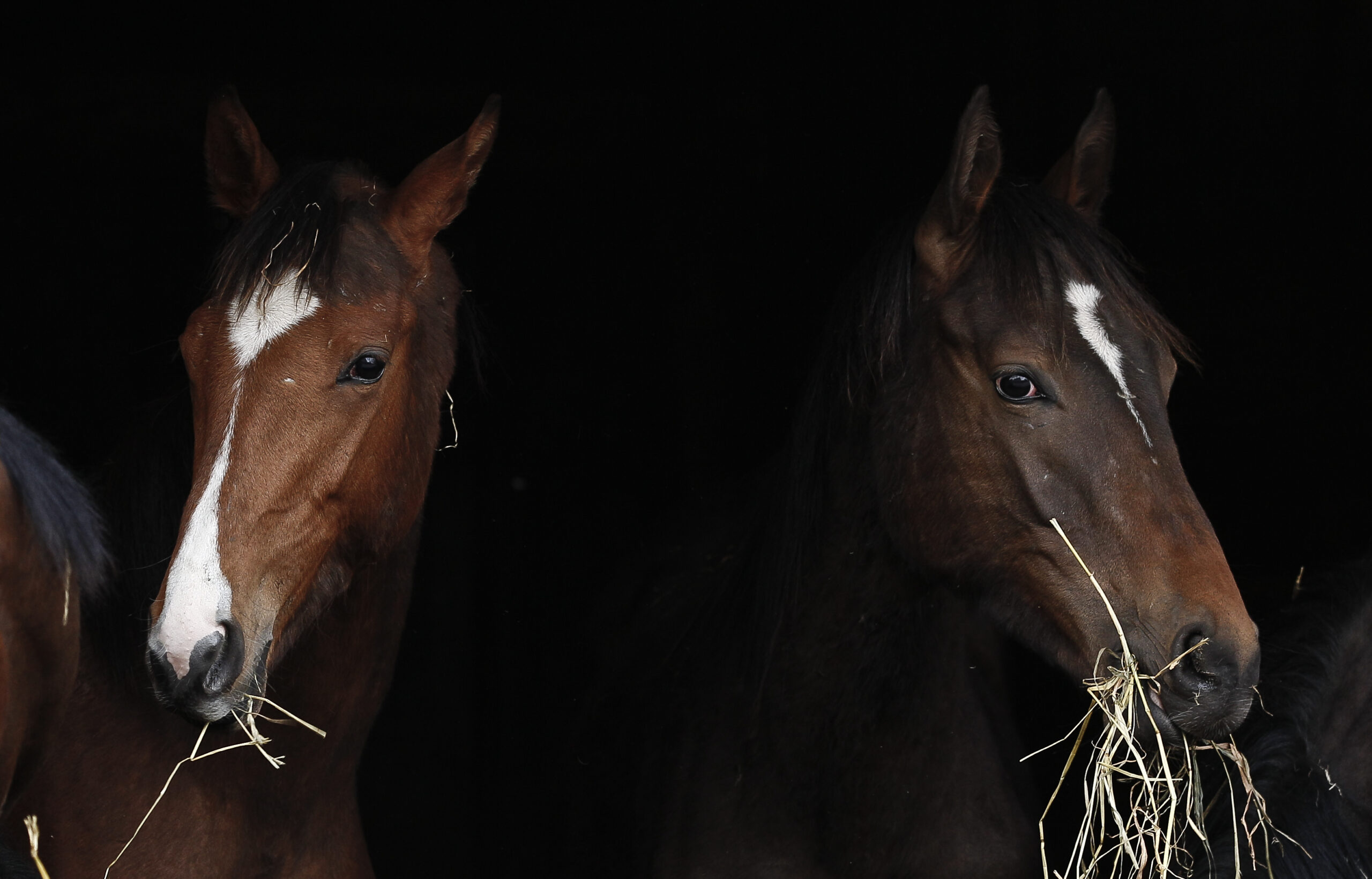
  Hay is the basis of horse feeding. Photo: Sportfotos-lafrentz.de
 The horse’s entire digestive tract is designed to absorb structure-rich plant fibers over many hours of the day. Historically, horses evolved as steppe animals that spent up to 18 hours a day grazing. Rations consisting of a lot of concentrated feed and too little roughage lead to diseases such as stomach ulcers, colic, laminitis and also behavioral problems such as weaving or bucking.
Eating hay as an activity
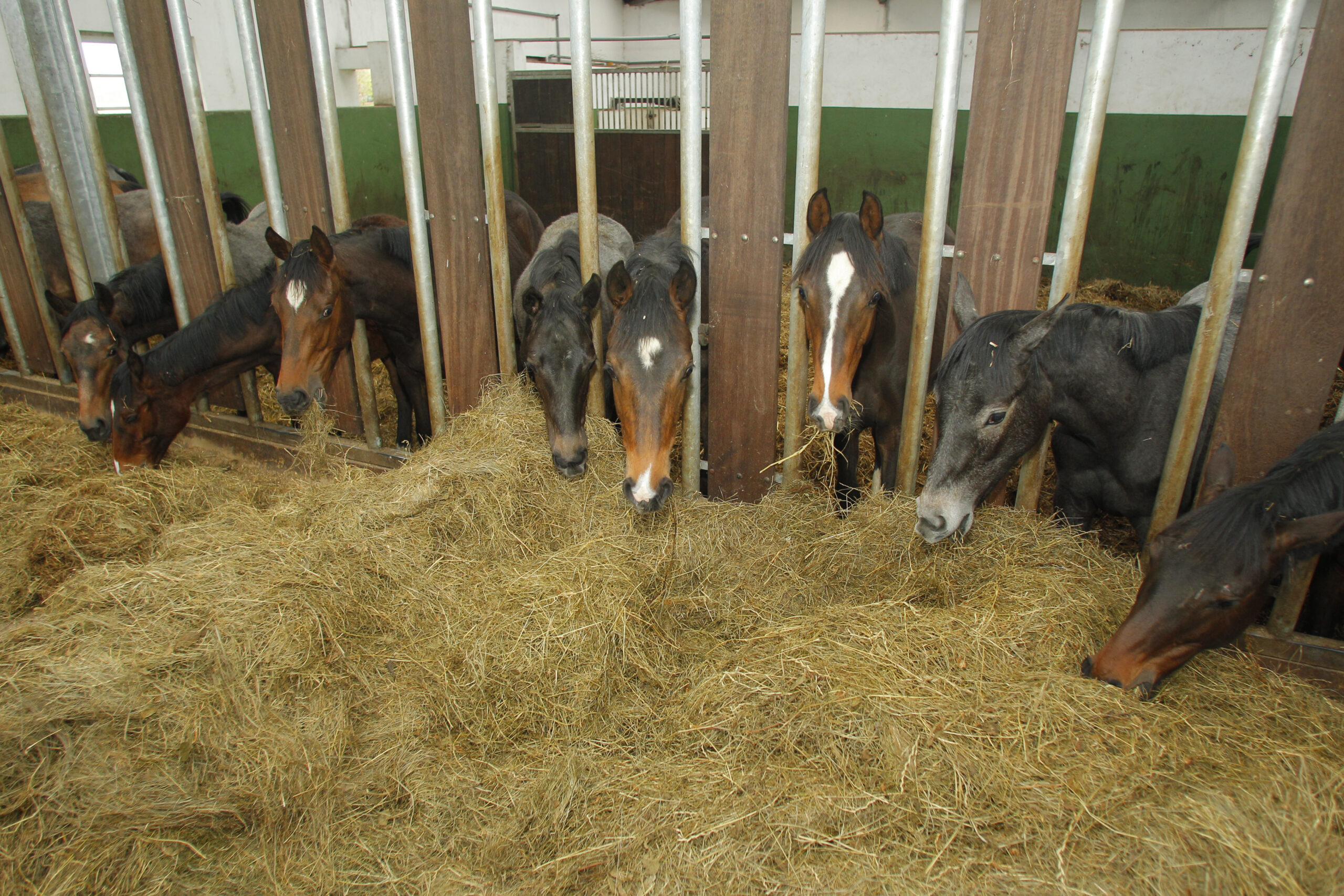
Horses spend most of the day eating – if they are allowed to do so. Their digestive system is designed to continuously absorb feed rich in crude fiber. If this natural activity is lost, boredom sets in and the risk of behavioral disorders such as weaving or bucking increases. A scoop of concentrated feed in the trough three times a day is not enough: on average, a horse will have eaten one kilogram of it in around ten minutes. A kilogram of hay, on the other hand, takes much longer, an estimated 40 minutes. And since it should get between 1.5 and 2 kg of hay per 100 kg of body weight every day, this adds up to a lot of eating time.
Eating hay continuously protects the stomach
The horse’s stomach is small in relation to its body size (approx. 8 to 15 liters in a 600 kg horse) and it produces stomach acid around the clock. Unlike in humans, there are no “breaks” in acid secretion. This acid is only neutralized via saliva. Hay has a double effect here:
- Mechanical: Prolonged chewing (up to 40 minutes per kg of hay) produces a lot of saliva – around 3 to 5 liters per kg of hay.
- Chemical: Saliva provides bicarbonate, which buffers the gastric juice.
A study shows: Prolonged food abstinence (e.g. within a day) can cause the pH value in the stomach to fall below 2, which has a highly ulcerogenic effect. In other words, there is a risk of gastric ulcers.
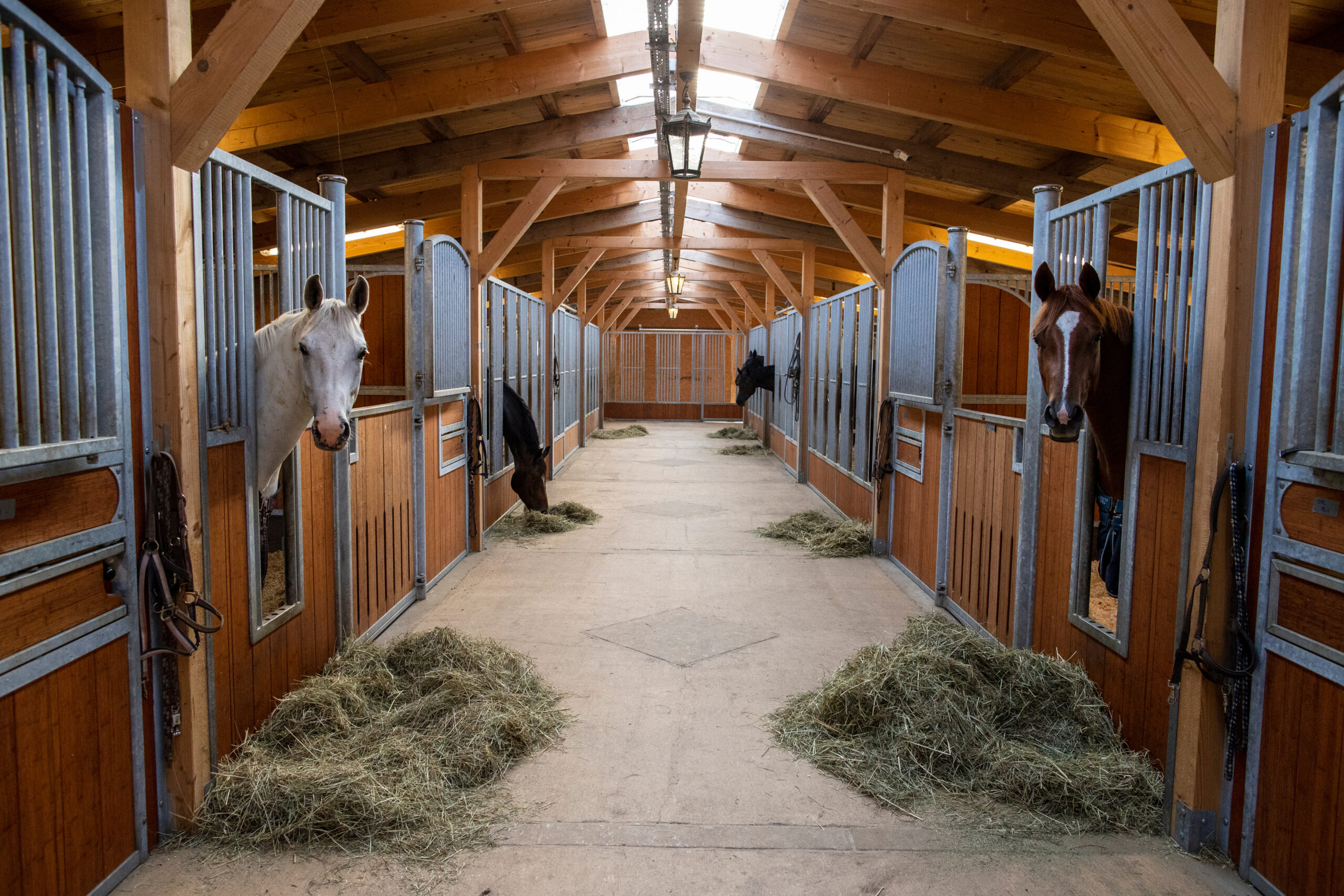
Eating breaks of more than four hours should therefore be avoided. Especially in the evening, it is important to ensure that horses have enough hay in the stable for the night. If a horse eats too quickly or hectically, hay nets or electric hay racks can be useful to avoid too long a break from eating and to keep the horses occupied for a long time.
Source of crude fiber and energy supplier
Hay is much more than just a “filler”: it forms the basis of the horse’s energy supply. The most important nutrient here is crude fiber, i.e. the indigestible structural carbohydrates of plant cell walls – cellulose, hemicellulose and lignin. Horses cannot break down these components themselves; they are fermented in the large intestine by trillions of microorganisms.
This microbial fermentation produces volatile fatty acids such as acetic acid, propionic acid and butyric acid. They are absorbed via the intestinal mucosa and serve as the main source of energy for the horse at rest – around 60 to 70 % of the daily energy requirement is covered in this way.
Early-cut hay contains less crude fiber but more easily digestible energy; late-cut hay is richer in crude fiber but lower in energy. A balanced ratio is crucial: too little crude fiber leads to incorrect fermentation in the large intestine, too much crude fiber cannot adequately cover the energy requirements of performance horses.
Intestinal motility is stimulated by the high fiber content. An even supply of crude fibre ensures regular peristalsis, reduces the risk of constipation and gas colic and stabilizes the intestinal environment. In addition, the structure-rich feed extends the feeding time, which in turn means more saliva and thus better buffering of stomach acid
Hay and the microbiome – why diversity matters
Up to 10¹⁵ microorganisms live in the large intestine. They are highly specialized in the utilization of raw plant fibre. Different hay qualities influence the composition of this bacterial community. A varied hay quality with herbs and different types of grass supports diversity, which has a direct positive effect on the immune system(Dougal et al., 2014).
If you feed too little hay or too little crude fiber and instead feed more starchy concentrates, the balance in the intestines shifts: lactic acid bacteria take over and the pH value in the large intestine drops. Colic and laminitis can be the result.
Hay therefore serves to keep them occupied, ensures even tooth wear, is a long-lasting source of energy and ensures a good intestinal microbiome.